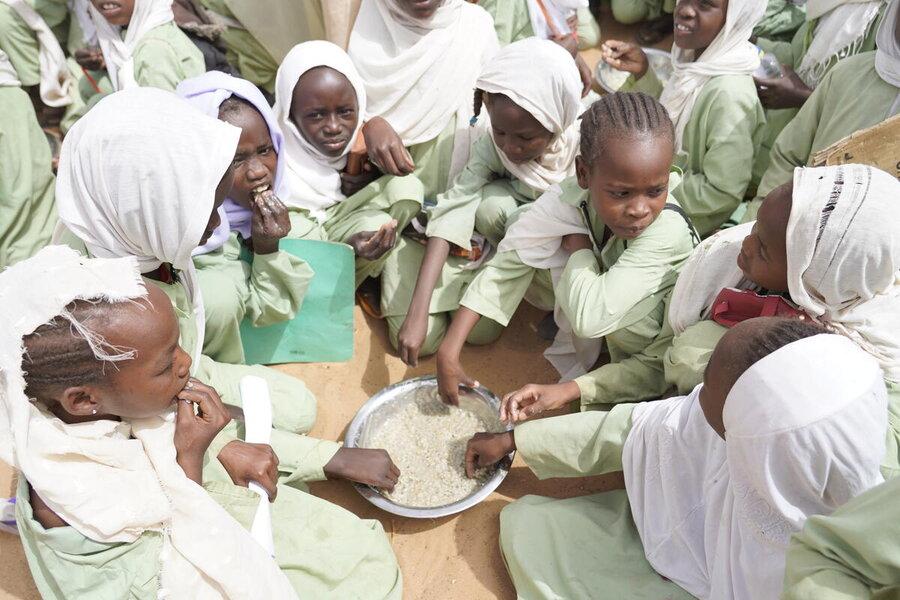
Teachers at a school in Sudan’s Omdurman have revealed the devastating impact of the country’s worsening economic and humanitarian crisis on children, recounting how one pupil was discovered eating discarded falafel scraps behind classrooms to avoid being seen by her classmates.
In a video circulating on social media on Tuesday, teachers at Al-Jihad School in Block 6 of the Al-Fatihab neighbourhood said many pupils arrive at school without breakfast because their families can no longer afford basic food.
Hajar Mohammed Osman, a teacher at the school, said some girls approach teachers asking for something to eat, while others suffer in silence, too embarrassed to disclose their circumstances.
Teachers have been pooling their limited resources to provide meals whenever possible, but the growing number of hungry pupils has made it increasingly difficult to meet their needs.
Osman recalled discovering a schoolgirl hiding behind classrooms, eating what is locally known as dagga taamiya — oily remnants left over from frying falafel that are normally discarded.
The incident prompted teachers to publicly highlight the hardships facing pupils and appeal for sustained assistance.
Another teacher, Fatima Ahmed Ali, warned that hunger was undermining academic performance, leaving children struggling to concentrate and absorb lessons.
Teachers also expressed concern about the psychological and social consequences of food insecurity, particularly among children who conceal their hunger from classmates out of embarrassment.
They appealed to charitable organisations, community initiatives and individual donors to establish a regular school feeding programme, stressing that even modest but consistent contributions would be more beneficial than one-off donations.
Sudanese journalist Sabah Ahmed said the incident reflected the deteriorating living conditions of families unable to afford even the simplest meals.
A basic falafel sandwich containing a small piece of bread and three falafel balls now costs around 2,000 Sudanese pounds, she said.
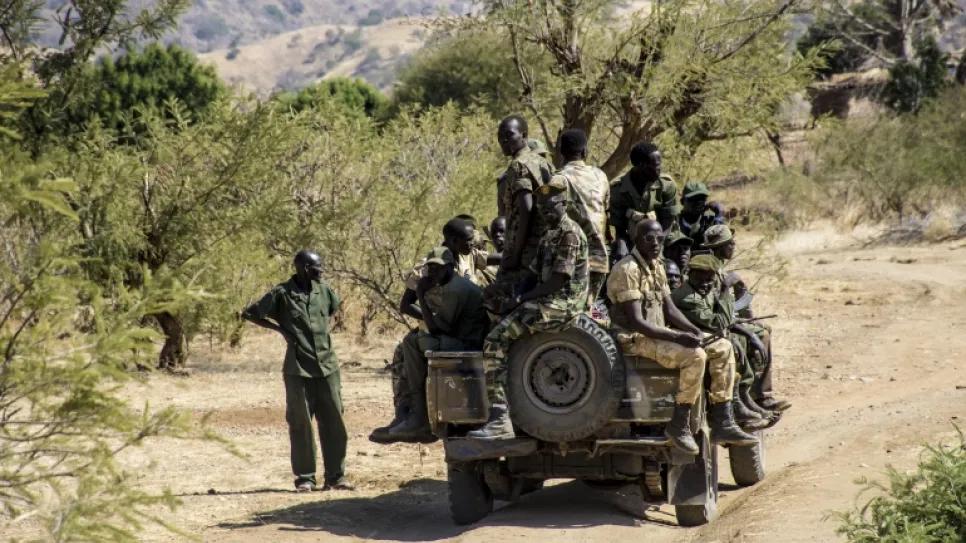
Sudan’s war, which erupted in April 2023, has devastated livelihoods, disrupted agricultural production and driven millions of people from their homes, while soaring food prices and currency depreciation have pushed basic necessities beyond the reach of many households.
According to the World Food Programme (WFP), approximately 19.5 million people across Sudan face acute hunger, including five million experiencing emergency levels of food insecurity.
The agency is working to restore school feeding programmes for 450,000 children across nine states after the conflict disrupted such services.
However, funding shortages continue to undermine humanitarian efforts.
On November 12, WFP said approximately 900,000 vulnerable Sudanese had lost access to its food assistance in recent months because of funding constraints.
The agency said it urgently required $520 million to provide emergency food and nutrition assistance to 5.4 million people through April 2027.
For teachers at Al-Jihad School, the immediate priority remains ensuring that children are not forced to choose between enduring hunger and continuing their education.