Sudan’s army and the Rapid Support Forces (RSF) have established mechanisms to discuss confidence-building measures with the United Nations, including possible prisoner exchanges and the release of civilian detainees, the UN envoy to Sudan said on Saturday.
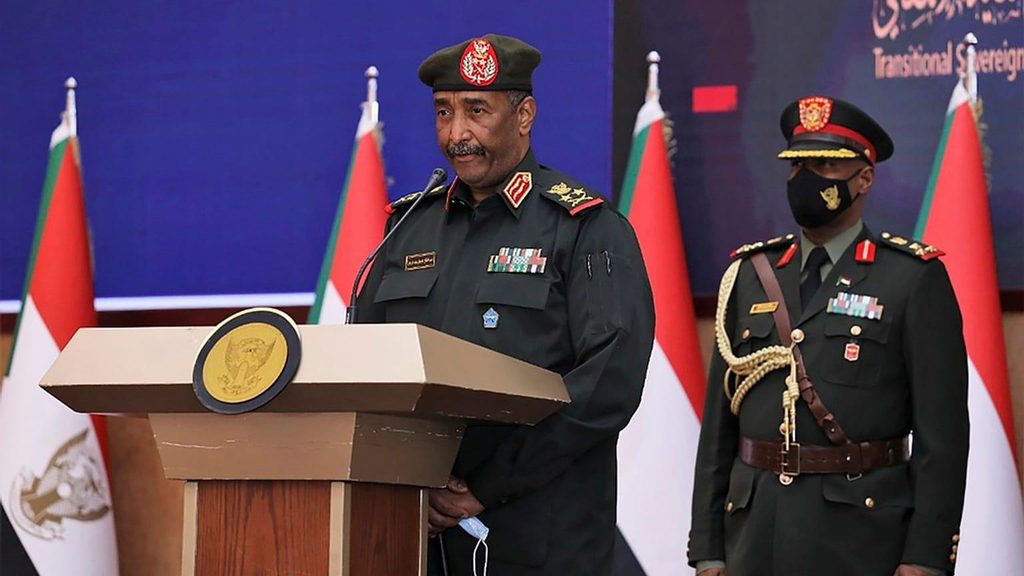
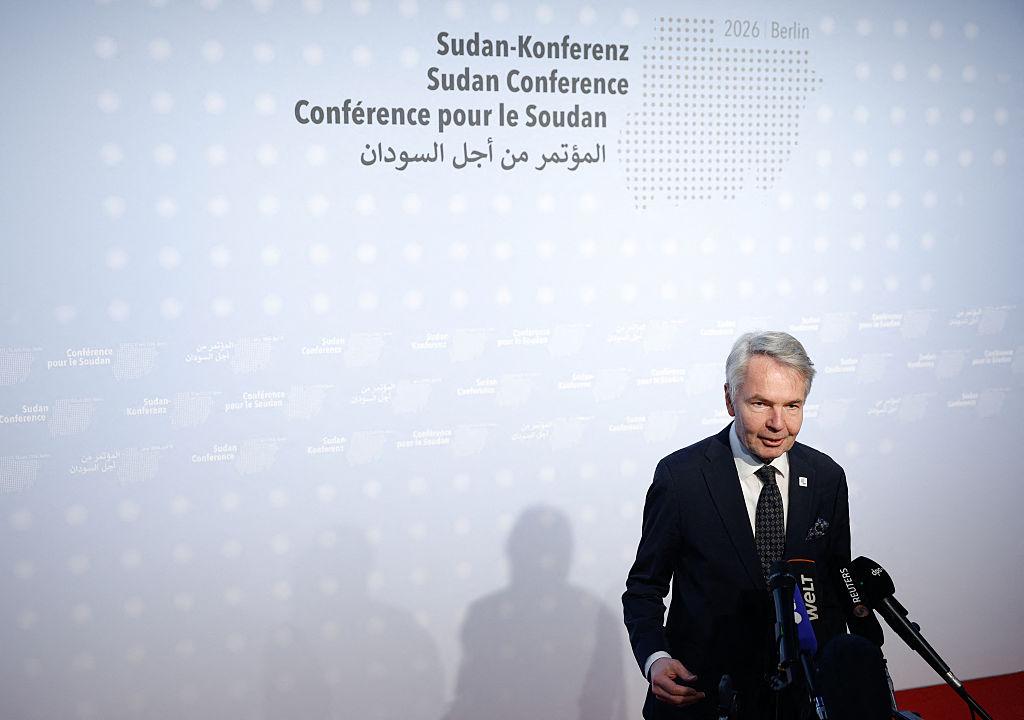
Pekka Haavisto, the UN secretary-general’s personal envoy for Sudan, said he had raised the proposals with army chief Abdel Fattah al-Burhan and RSF leader Mohamed Hamdan Dagalo, known as Hemedti, according to local Sudanese media citing an interview with the UN website.
Both sides have now put arrangements in place to discuss those measures with the United Nations, Haavisto said. His remarks did not indicate that an agreement on exchanges or releases had been reached.
The initiative comes amid intensified diplomatic efforts to end the war, although Haavisto said both camps were still seeking battlefield gains to strengthen their positions before entering negotiations.
He said the UN General Assembly’s high-level week had brought extensive diplomatic engagement on Sudan, including meetings involving the Quad — the United States, the United Arab Emirates, Saudi Arabia and Egypt.
Talks also involved the five-member grouping of the African Union, the regional bloc IGAD, the Arab League, the European Union and the United Nations.
Haavisto said efforts to secure a political settlement were complicated by the composition of the warring camps, each of which encompasses multiple groups and military commanders. Diplomacy therefore needed to reach a wider range of actors with influence over the conflict.
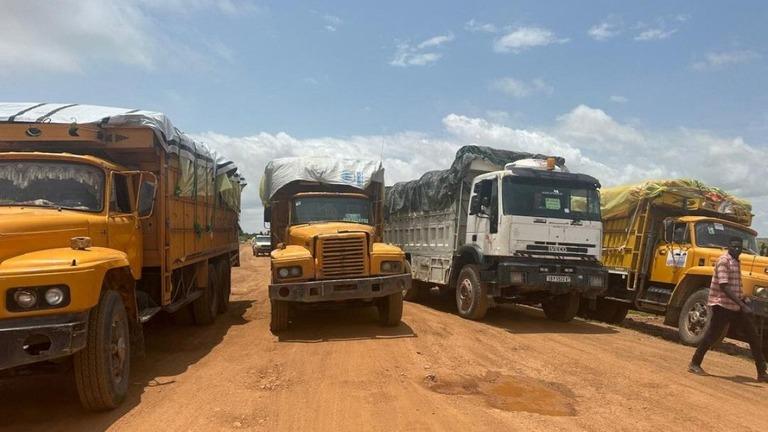
The envoy also warned of the growing use of drones against civilian targets, aid convoys, schools and hospitals, and called for an end to the flow of weapons and drones into Sudan.
Highlighting the dangers facing civilians in Khartoum, Haavisto said UN personnel had told him that roughly 99 percent of unexploded ordnance in the capital still needed to be cleared.
He also stressed the need for regional cooperation to prevent the conflict from spreading into neighbouring countries, which continue to receive refugees fleeing the fighting.