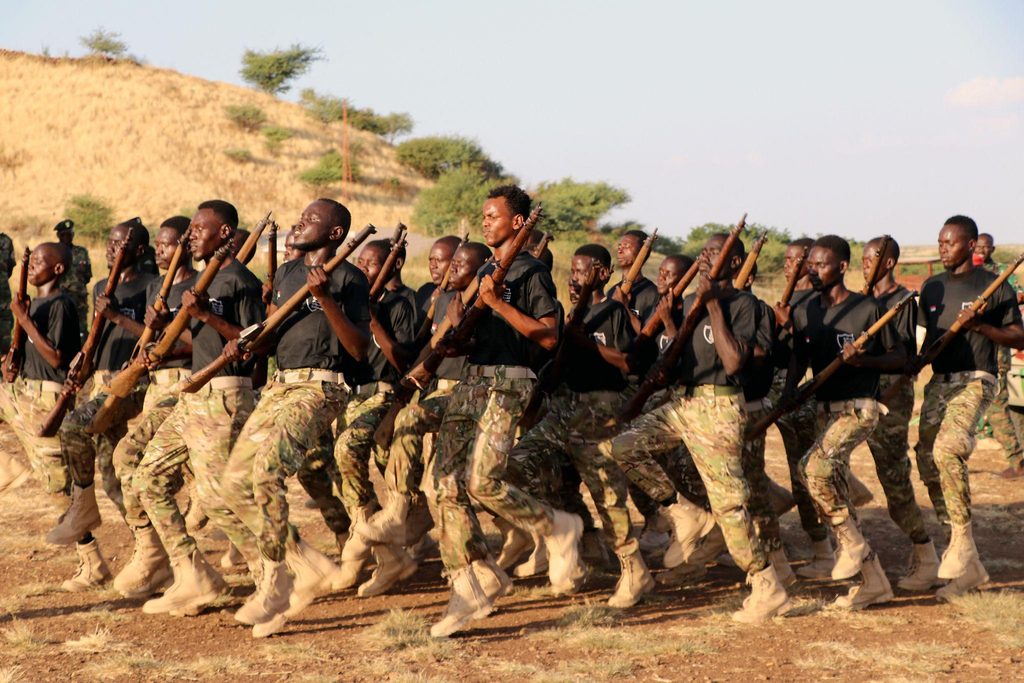
A civil society organisation in Sudan’s Blue Nile region has warned against efforts by the Sudanese army to arm civilians and establish local militias, saying such measures threaten civilian lives, undermine social stability and risk prolonging the country’s devastating conflict.
The Blue Nile Civil Society Initiative said in a statement on Friday that the distribution of weapons among local communities and the recruitment of young people into armed groups could deepen divisions and expose civilians to further violence.
The initiative condemned attempts to mobilise citizens under slogans such as “dignity,” “existential battle” and “democracy,” describing them as misleading justifications for involving ordinary Sudanese in military operations.
It warned that transforming civilians into combatants would further militarise society, weaken community relations and increase the risk of armed confrontations between local groups.
The warning comes amid longstanding concerns about the Sudanese military’s reliance on civilian mobilisation and allied armed formations since the outbreak of war in April 2023.
Army chief Abdel Fattah al-Burhan publicly endorsed civilian mobilisation in January 2024, pledging to facilitate the arming of volunteers under military supervision.
United Nations human rights reporting has also documented weapons distribution and recruitment activities involving army-linked forces in other parts of Sudan, raising concerns about the proliferation of armed groups and the potential for further abuses.
However, the Blue Nile initiative did not provide specific figures on weapons distributed or identify individual army units responsible for alleged recent recruitment activities in the region.
The organisation called on residents to reject armed mobilisation and urged all parties to the conflict to protect civilians, halt violations and comply with international humanitarian law.
It also demanded an end to foreign interference that contributes to sustaining the war.
The initiative stressed that arming local communities would not deliver security or lasting peace, warning instead that the proliferation of militias could entrench violence and undermine future reconciliation efforts.
It called for an immediate end to the conflict and an inclusive political process leading to peace, justice, democracy and civilian governance.
The group reiterated its opposition to the militarisation of Sudanese society, insisting that protecting civilian lives and preserving social cohesion must take precedence over the military’s recruitment objectives.