Survivors of deadly airstrikes on gold mining settlements near Sudan’s border with Egypt have described workers being buried beneath collapsed excavation shafts, overwhelmed medical facilities and thousands fleeing into remote mountains, as new testimony emerges about the October 10 attacks.
Three survivors told Sudan Tribune that more than 200 people were killed and hundreds injured when warplanes allegedly struck traditional gold mining sites in the North Valley region on Saturday morning.
The accounts provide new details about the scale of the destruction, although the reported death toll and identity of the aircraft involved have not been independently verified.
According to witnesses, the bombardment began around 6 a.m., as miners prepared to begin work and others remained inside underground excavation pits.
The aircraft allegedly fired more than five missiles into mining camps, destroying shelters and hitting excavation shafts that subsequently collapsed on workers inside.
Survivors said some miners were trapped beneath the debris, while others suffered severe injuries as workers attempted to escape the bombardment.
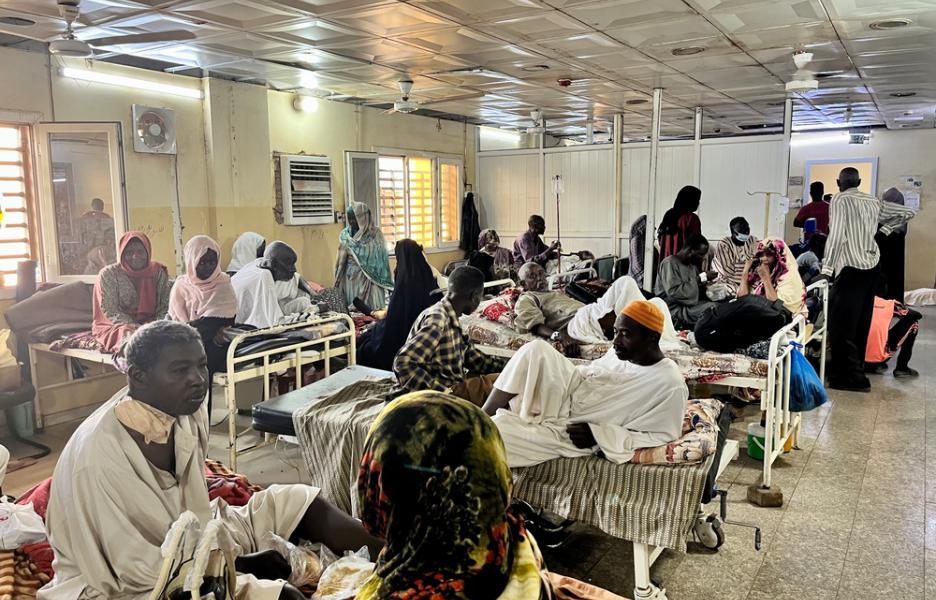
Local Sudanese media separately reported that the nearest medical facility, Al-Jazeera clinic at Al-Ansari market, struggled to accommodate the casualties.
The clinic reportedly had capacity for just five patients but received dozens of wounded miners, including people requiring urgent surgical intervention.
Some casualties were transferred to hospitals in Atbara, Port Sudan and Haya, while others remained in the remote mining region, where difficult terrain and limited medical resources complicated evacuation efforts.
Local Sudanese media obtained a list identifying more than 20 injured miners who had been brought to the clinic.
Families also confirmed individual deaths, including Abu al-Qasim Mohamed Hamed from Omdurman and Jado Shamin Abdullah from Labado, southeast of Nyala.
Thousands flee as fresh allegations emerge
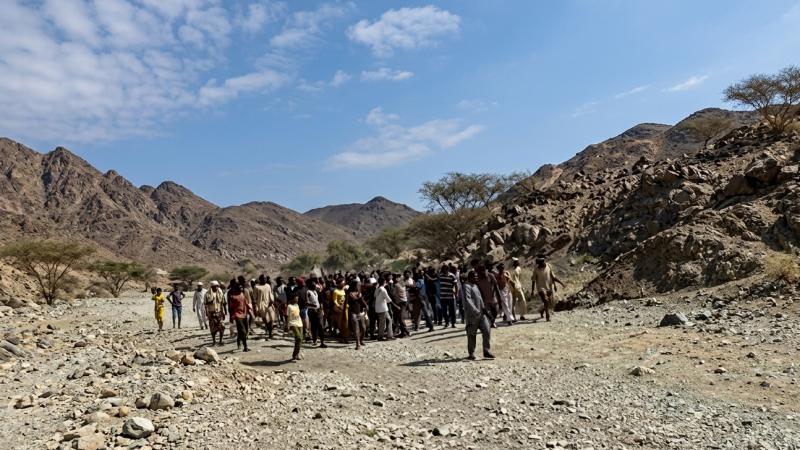
Survivors estimated that more than 15,000 miners fled their workplaces following the strikes, seeking refuge in caves, mountain passes and surrounding desert areas.
Separately, the Darfur Victims Support organisation reported that approximately 10,000 people had fled towards the Adrob area, where displaced workers were facing severe humanitarian conditions.
The organisation alleged that two Egyptian military aircraft had conducted reconnaissance flights over the mining sites between October 7 and 9, before carrying out an attack involving approximately nine bombs on Saturday.
It also claimed that Egyptian forces detained 13 miners and transported them into Egyptian territory. Their whereabouts remain unknown, according to the organisation.
Survivors accuse Egyptian forces
Miners interviewed by Sudan Tribune accused the Egyptian military of carrying out the bombardment, alleging that Egyptian border guards had previously established a temporary military position near the mining sites.
They said Egyptian patrols had warned workers against approaching certain areas, claiming the territory belonged to Egypt.
The miners also alleged that heavy excavation equipment and trucks carrying mineral-bearing rocks had been observed moving from the area towards Egypt.
The allegations raise further questions about competing territorial claims and access to valuable mineral deposits along the frontier. However, neither the location of the reported cross-border mining operations nor the accusations against Egyptian forces have been independently established.
One miner said that processing a 50-kilogram bag of raw material from the region could yield between 20 and 30 grams of gold, illustrating the economic incentives drawing workers into the remote mining zone.
Conflicting casualty figures
Although survivors and the Sudan Founding Alliance (TASIS) have reported more than 200 deaths, other organisations have provided lower preliminary figures.
The Emergency Lawyers rights group reported at least 72 fatalities and accused Egyptian aircraft of carrying out the attack.
The Sudan Doctors Network separately reported at least 13 deaths and 28 injuries from an airstrike in the border region, although it remains unclear whether its figures cover the same mining location.
The different estimates have not been reconciled, and the absence of comprehensive casualty records has prevented independent confirmation of the full death toll.
TASIS and Sudanese civilian organisations previously condemned the alleged Egyptian strikes, demanding international investigations and accountability for the reported civilian deaths.
The latest survivor accounts add to concerns over the humanitarian consequences of the bombardment, particularly for miners who remain missing, injured or stranded in the desert.
The alleged attacks follow earlier deadly incidents in June involving Sudanese miners along the Egyptian frontier.
Egypt has acknowledged previous security operations against unauthorised mining and cross-border activities but has not publicly accepted responsibility for the October 10 strikes.
The army-aligned authorities in Port Sudan have also faced growing demands to clarify their position and respond to allegations involving Egyptian military operations against Sudanese civilians.
With survivors continuing to report missing workers and limited access to medical care, the full extent of the casualties remains uncertain.