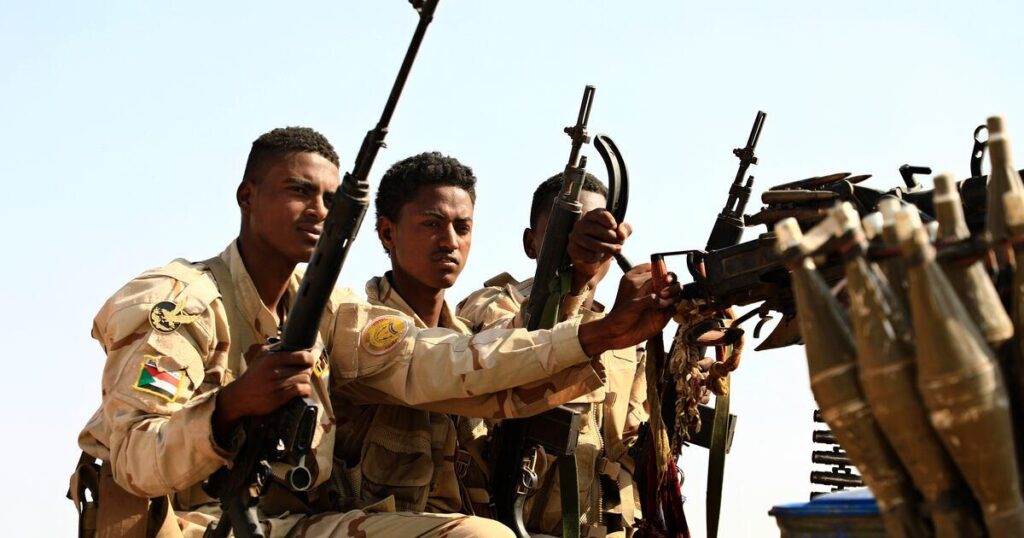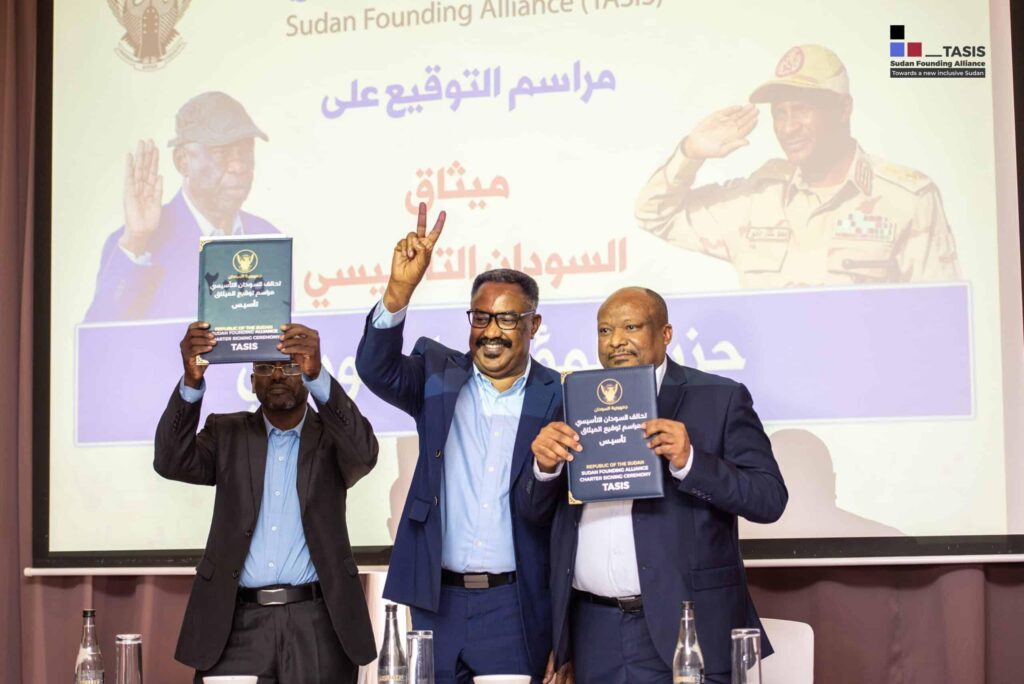
The Sudan Founding Alliance, TASIS, has submitted a written response supporting a US-backed initiative to halt the war, agreeing to an unconditional 90-day humanitarian truce and a civilian political process while rejecting demands that its forces abandon territories before negotiations begin.
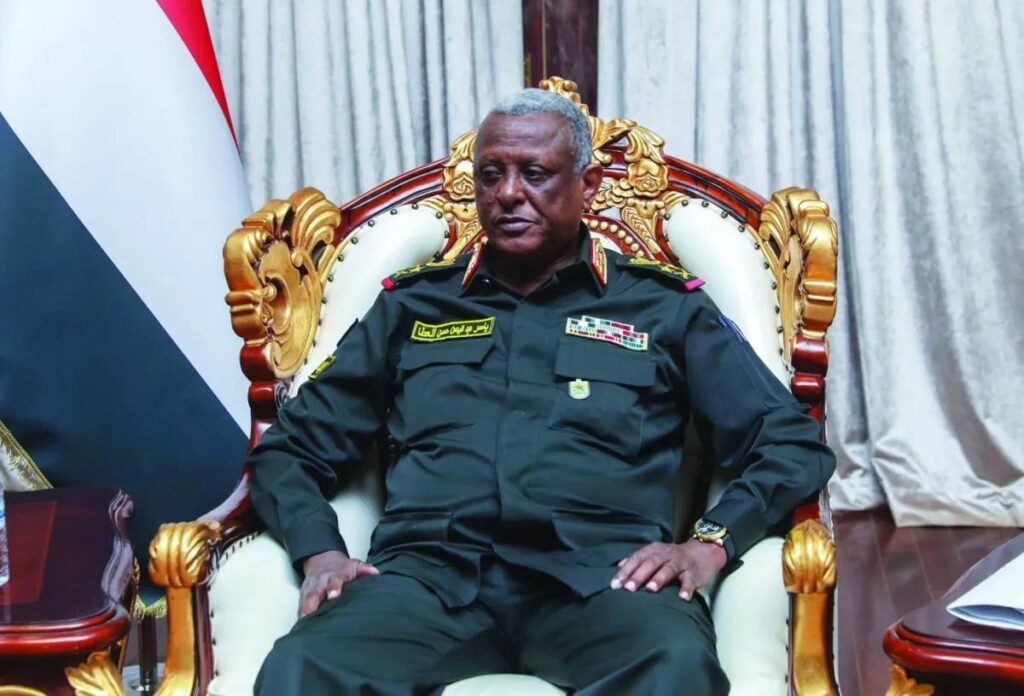
The position places TASIS and the Rapid Support Forces in support of an immediate cessation of hostilities, while the SAF-controlled authorities in Port Sudan continue to condition a truce on the RSF withdrawing from all areas it has captured since May 2023.
A TASIS-aligned official said the alliance’s negotiating delegation delivered its response to US Senior Adviser for Arab and African Affairs Massad Boulos, outlining proposals for humanitarian access, civilian governance, security-sector reform, transitional justice and the reconstruction of Sudanese state institutions.
The response reportedly accepts the principal elements of the American roadmap: a three-month humanitarian truce, negotiations toward a permanent ceasefire, a civilian-led transition and a longer-term programme for reconstruction and economic recovery.
TASIS backs unconditional humanitarian truce
According to the official, TASIS and the RSF agreed to an immediate and unconditional humanitarian truce lasting three months.
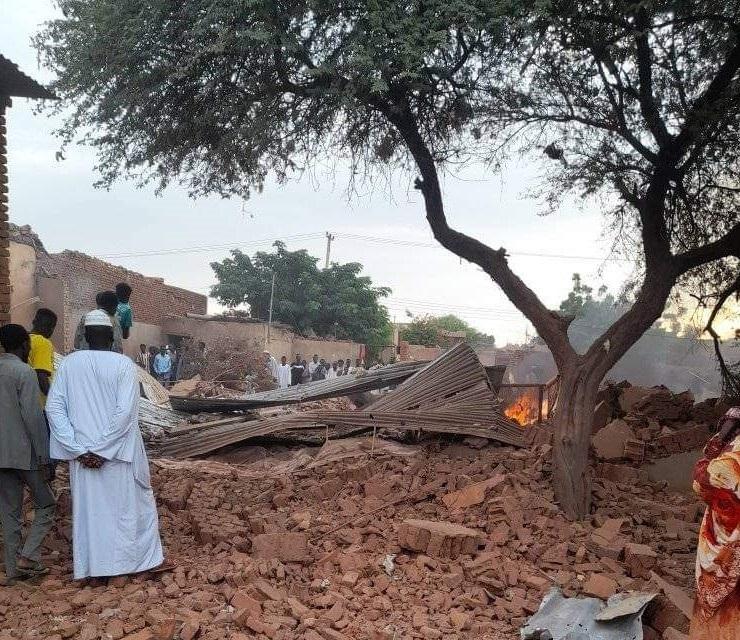
The alliance also committed to facilitating humanitarian deliveries to civilians in Darfur, Kordofan, Blue Nile and the Nuba Mountains under the supervision of the United Nations and its specialised agencies.
The position contrasts with that of the Port Sudan authorities, which have demanded that an RSF withdrawal take place simultaneously with the beginning of the truce.
TASIS argues that attaching military surrender conditions to an emergency humanitarian pause would delay relief operations and undermine the purpose of the ceasefire.
Its position is that the truce should freeze the military situation on the ground, allowing aid to reach civilians and creating the conditions necessary for negotiations over a permanent ceasefire.
Withdrawal to be addressed through ceasefire negotiations
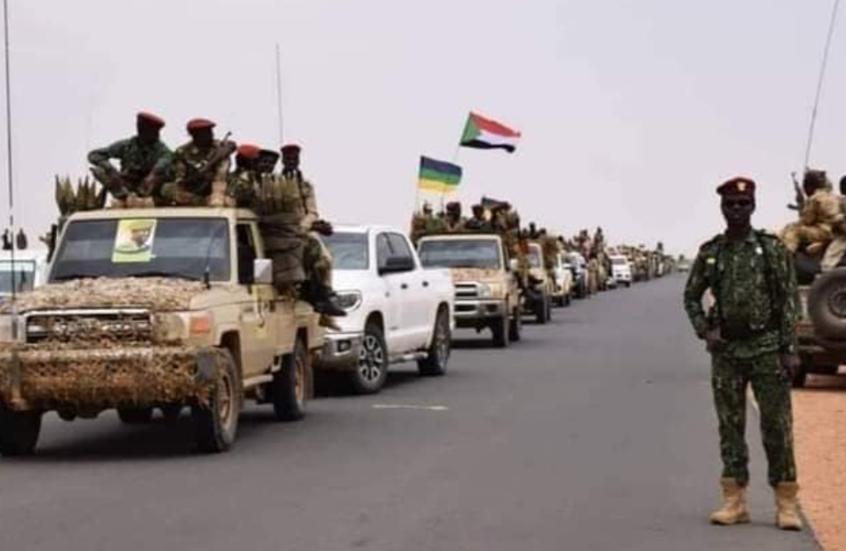
TASIS rejected calls for the RSF to withdraw unilaterally from territories currently under its administration or military control in Darfur, Kordofan and Blue Nile.
The alliance’s position is not presented as a rejection of future security arrangements. Rather, it argues that redeployment, troop locations, disarmament and the integration of armed forces should be decided through negotiated permanent-ceasefire arrangements instead of being imposed as a precondition for talks.
The US roadmap reportedly proposes limited and gradual withdrawals supervised by the United Nations, initially prioritising North Darfur and North Kordofan.
The SAF-controlled Security and Defence Council has rejected that limited approach and demanded a full RSF withdrawal from every city and area captured after May 11, 2023.
That demand would effectively require the RSF to surrender its principal military and territorial gains before the start of substantive political or security negotiations.
TASIS maintains that any settlement must recognise the current balance of power and address territorial and security questions through a mutually agreed mechanism rather than attempting to restore the political and military order that existed before the war.
Rebuilding a national army
The TASIS response also calls for the reconstruction of the Sudanese Armed Forces as a genuinely national and professional institution representing all regions and communities.
According to the official, the proposed military structure would seek broader regional representation and address the historic domination of the armed forces by narrow political and ideological networks.
The alliance called for Islamists and extremist elements to be removed from the military, intelligence services and other security institutions.
It said dismantling the influence of the former National Congress Party and its affiliated Islamist networks was necessary to prevent the army from again being used as a vehicle for political rule.
TASIS has repeatedly accused remnants of Omar al-Bashir’s regime and Islamist military factions of helping ignite and prolong the war in order to regain power and block Sudan’s transition to civilian government.
The alliance also proposed dissolving the existing intelligence apparatus and rebuilding the security sector under constitutional arrangements agreed during a civilian-led transition.
Civilian transition and exclusion of the former regime
The TASIS document reportedly calls for an inclusive political dialogue leading to the formation of a civilian transitional government.
However, it seeks to exclude the former ruling National Congress Party and its political fronts from future transitional arrangements.
The alliance argues that organisations linked to the former regime cannot credibly participate in rebuilding the country while continuing to support the war and exercise influence inside SAF-controlled institutions.
The proposed transition would involve restructuring the civil service, dismantling former-regime networks embedded within state institutions and rebuilding government bodies on national rather than partisan foundations.
Accountability and cooperation with the ICC
TASIS also called for accountability for abuses committed against Sudanese civilians during both the current war and previous decades of authoritarian rule.
Its response proposes an independent investigation into violations committed since the outbreak of fighting on April 15, 2023, without limiting scrutiny to one side.
The alliance also expressed readiness to cooperate with the International Criminal Court and facilitate the transfer of individuals wanted by the court.
TASIS described accountability as central to ending Sudan’s long history of impunity and preventing political and military leaders from using state institutions to shield themselves from prosecution.
Pressure shifts to Port Sudan authorities
The TASIS response leaves the Port Sudan authorities facing pressure to explain whether they are prepared to accept an immediate humanitarian truce without first securing the RSF’s military retreat.
While both sides have formally welcomed elements of the US initiative, the central dispute concerns whether humanitarian relief should begin immediately or remain conditional on resolving the war’s most difficult military questions.
TASIS argues that the humanitarian truce must come first, followed by negotiations on permanent ceasefire arrangements, military restructuring and civilian rule.
The SAF leadership, by contrast, is seeking to make a comprehensive RSF withdrawal a condition for initiating the truce—an approach that risks blocking the US initiative before formal negotiations can begin.