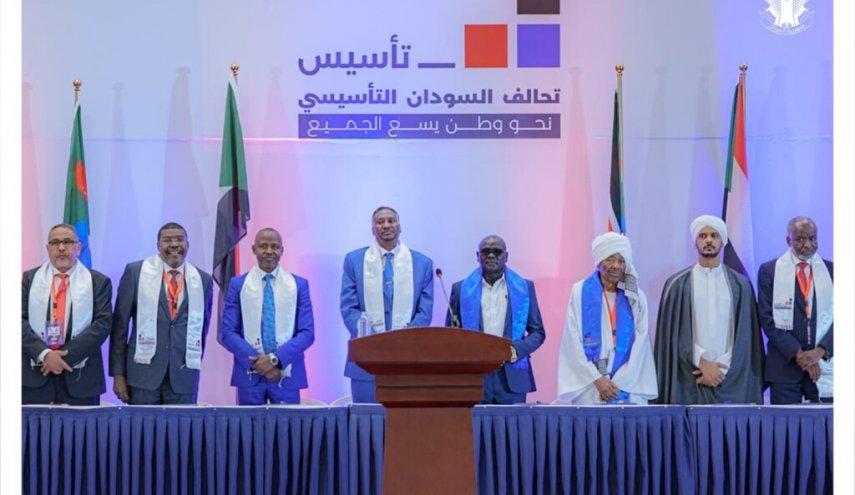
The Sudan Founding Alliance (TASIS) has backed calls to extend the United Nations arms embargo across the whole of Sudan, putting it at odds with the SAF-controlled authorities as international pressure grows over the flow of foreign weapons fuelling the country’s war.
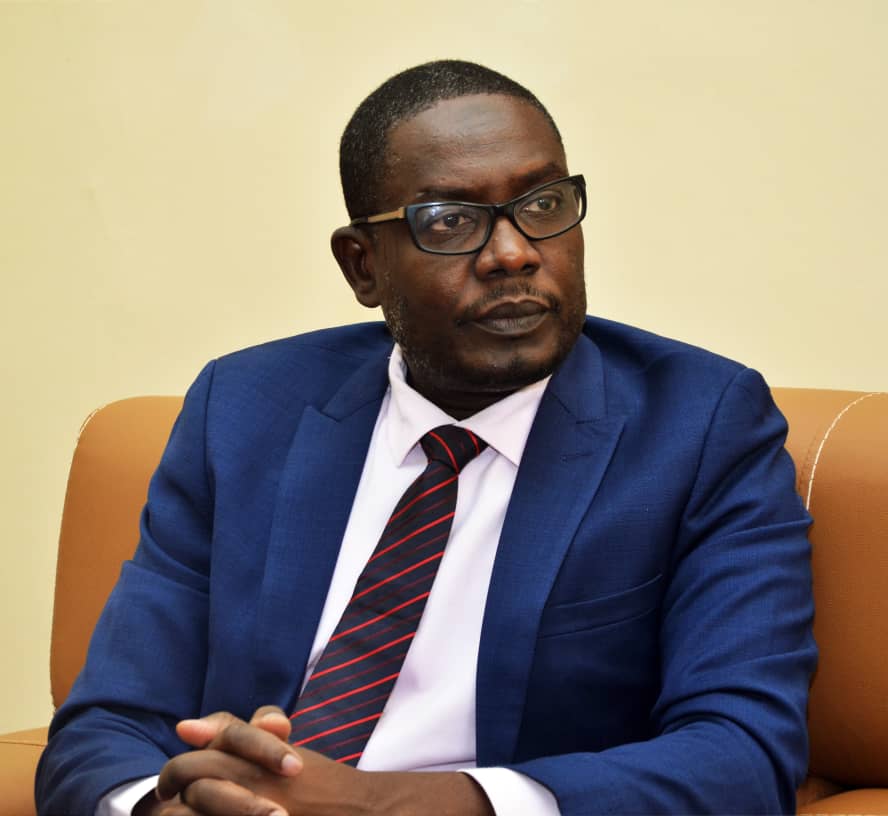
TASIS spokesman Ahmed Tugud Lisan said on Tuesday that the alliance supported extending the embargo beyond Darfur as long as restrictions applied equally across the entire country, including measures covering military aviation and drones.
“We in TASIS, if there is a decision imposing an arms embargo covering all Sudanese territory, including an aviation ban, support it,” Lisan told Al-Ain News.
The comments followed a United Nations Security Council meeting on Sudan on Monday in which the United States presented proposals to significantly strengthen the existing sanctions regime.
US presidential adviser Massad Boulos told the Council that Washington wants the current Darfur arms embargo expanded to the whole country and explicitly applied to drones, unmanned aerial systems and related technology.
The US draft also seeks stronger monitoring of weapons flows and closer coordination between UN expert panels operating across the region.
Washington said the measures were aimed at cutting external military support that continues to sustain the war and pressure the parties towards negotiations.
Boulos told the Council that a “tremendous and increasing amount of military support” was reaching Sudan’s belligerents from numerous outside actors and warned that continued foreign involvement risked drawing neighbouring countries deeper into the conflict.
The draft obtained by international media calls on states to halt direct or indirect logistical, financial and military assistance that enables the conflict to continue.
TASIS accuses SAF of arming Islamist groups
TASIS went further on Tuesday, linking the Port Sudan authorities’ opposition to a broader embargo to the continued arming of groups associated with Sudan’s former Islamist establishment.
Lisan said the SAF was importing weapons for armed groups affiliated with the Islamic Movement and argued that international restrictions should prevent weapons from reaching such forces.
“The army imports weapons for the armed forces of the Islamic Movement, and therefore it is natural that it rejects the proposal,” he said.
TASIS has repeatedly accused remnants of former president Omar al-Bashir’s regime and Islamist organisations allied with the SAF of prolonging the conflict and obstructing efforts towards a civilian political settlement.
The alliance says any future Sudanese state must dismantle the political and military networks inherited from Bashir’s government and establish new national institutions on civilian and secular foundations.
Port Sudan authorities reject wider embargo
The SAF-controlled authorities, meanwhile, rejected Washington’s proposal to extend the embargo beyond Darfur.
Sudan’s representative to the United Nations, Al-Harith Idriss, argued that nationwide restrictions would weaken the SAF and undermine what he described as Sudanese sovereignty.
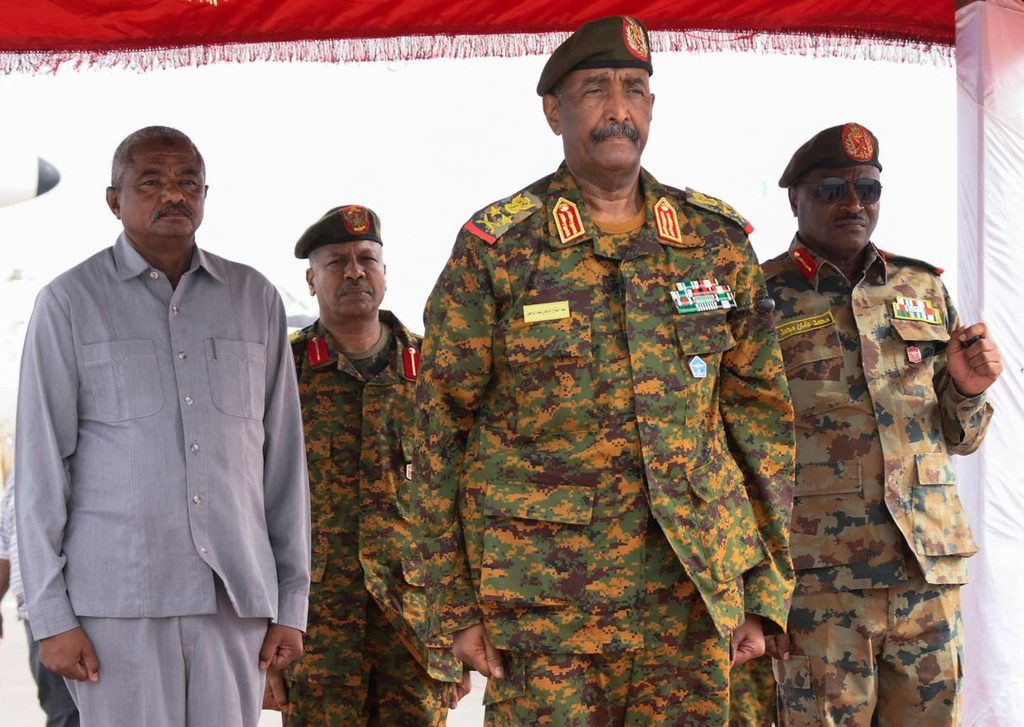
SAF chief Abdel Fattah al-Burhan also struck a defiant tone during the Security Council meeting, saying sanctions would not change the army’s determination to continue fighting until territory held by its opponents had been recaptured.
His comments reinforced concerns that the SAF leadership remains committed to pursuing a military solution despite repeated international efforts to secure a humanitarian pause and negotiated settlement.
Russia and China also expressed opposition or strong reservations over widening the sanctions regime, while France and Denmark backed broader restrictions.
The divisions mean the US proposal faces significant obstacles at the Security Council, where both Moscow and Beijing hold veto power.
UN warns foreign weapons are prolonging war
The debate comes amid growing international concern over the rapid expansion of drone warfare in Sudan.
Boulos said armed drones had killed more than 1,120 civilians during the first half of 2026 and accounted for around 80 percent of recorded civilian deaths during the period.
He cited attacks by both sides, including more than a dozen SAF drone strikes and raids in North and South Kordofan during August.
UN political chief Rosemary DiCarlo has repeatedly warned that Sudan’s war has been prolonged by weapons and political support supplied from abroad.
Speaking previously to the Security Council, she said foreign backing had enabled the parties to continue fighting rather than compromise, while urging the Council to take stronger action to cut weapons flows.
At Monday’s meeting, DiCarlo said the parties remained trapped in a “zero-sum military logic” despite repeated diplomatic initiatives aimed at ending the conflict.
No new 90-day truce agreement
Monday’s Security Council session did not produce a new agreement by the SAF-controlled authorities to an American-backed 90-day humanitarian truce.
The three-month truce is part of a US peace initiative that has been under negotiation for weeks.
The SAF authorities previously indicated broad acceptance of elements of the American roadmap but conditioned implementation on the withdrawal of RSF forces from areas they control.
TASIS and the RSF, by contrast, have previously supported an immediate humanitarian truce while arguing that territorial withdrawals and broader security arrangements should be negotiated as part of a subsequent permanent ceasefire process.
US officials have cautioned against claims that the peace proposal has already been agreed, saying significant differences remain between the parties.
The latest Security Council debate therefore centres not on a newly agreed truce, but on whether international pressure should now be increased by restricting the foreign weapons and drone systems that continue to sustain Sudan’s conflict.
For TASIS, the proposed nationwide embargo offers an opportunity to challenge the military supply networks supporting the SAF and its allied Islamist forces while publicly positioning the alliance in favour of applying international restrictions across all of Sudan.