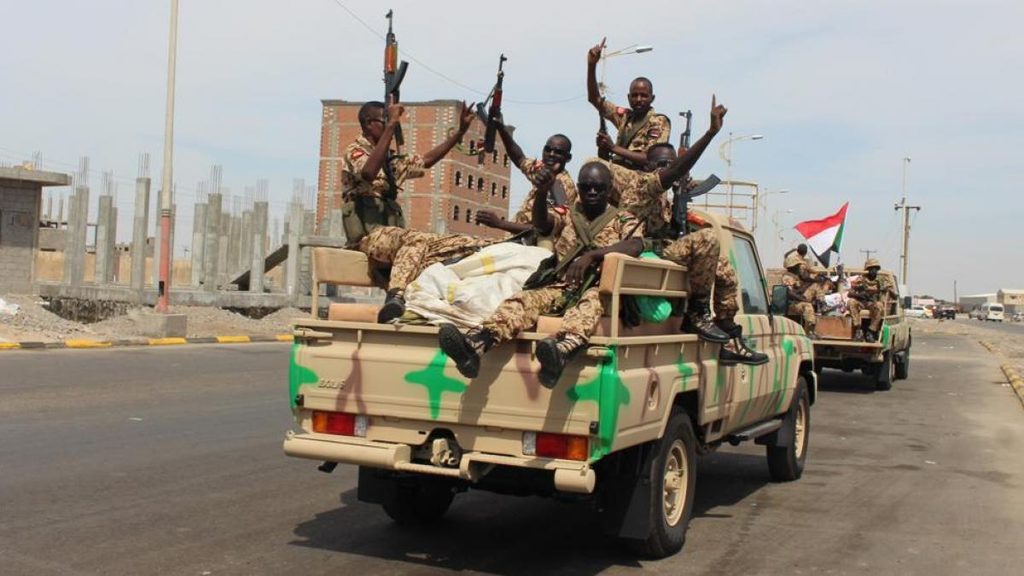
Sudan’s Founding Alliance (TASIS) has reportedly declared a no-fly zone targeting the Sudanese Armed Forces (SAF) and allied Islamist militias in Blue Nile, as the battle for the strategically important southeastern region increasingly extends into the skies.
The announcement, reported by Erem News late on Tuesday, followed claims that TASIS air defences had brought down six military drones in the region within a single day, including Turkish-made Bayraktar aircraft.
Sudanese outlets Blue News and Al-Jamaheer separately reported the interceptions, citing military sources affiliated with the alliance.
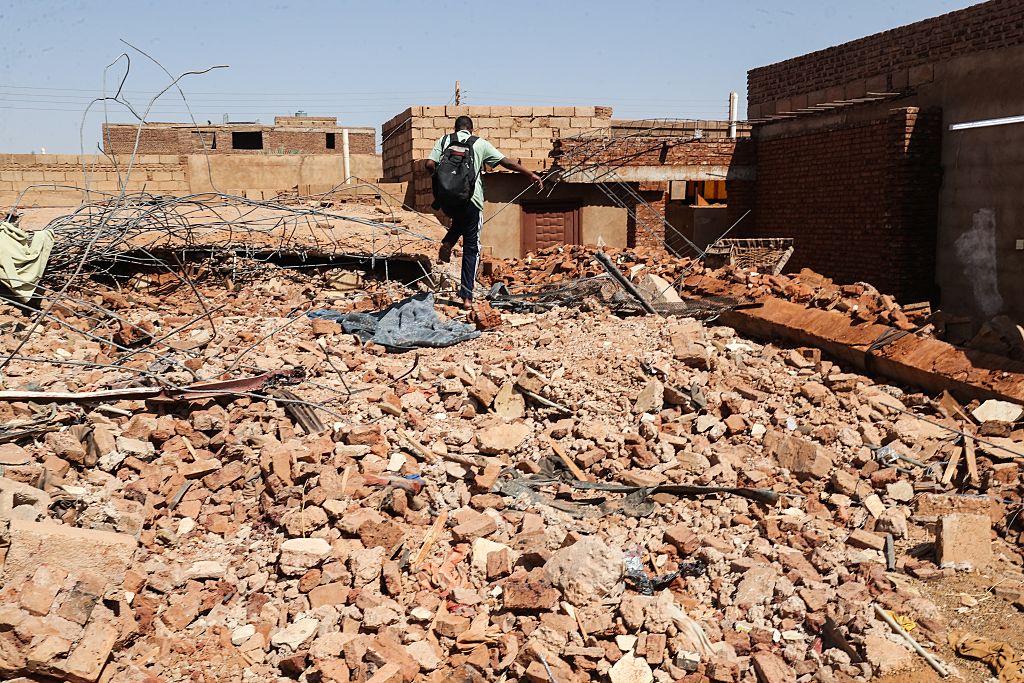
TASIS accused the SAF of using drones to attack residential neighbourhoods, hospitals, public markets and essential infrastructure, pledging to continue protecting civilian communities against aerial bombardment.
The reported interceptions have not been independently verified, while accounts differ over the exact models of the aircraft brought down.
The declaration marks a potential new phase in the Blue Nile offensive, with the SAF government facing mounting pressure on the ground while its ability to operate military aircraft over the region is increasingly challenged.
The extent to which TASIS can enforce the declared restrictions across Blue Nile remains unclear.
A battle with national consequences
Political analyst Ammar Saeed described the confrontation in Blue Nile as a decisive struggle whose consequences could extend well beyond the regional capital, Ed Damazin.
Speaking to Erem News, Saeed said the expanding confrontation had placed considerable pressure on military positions and disrupted the calculations of Muslim Brotherhood-linked factions fighting alongside the SAF.
He argued that control of Blue Nile could also weaken networks supplying foreign fighters to the SAF and limit threats against neighbouring countries.
The developments come amid reports that the SAF leadership has been pursuing arrangements to deploy Sudanese fighters abroad in exchange for financial resources, fuel and military supplies.
Saeed questioned the sustainability of that approach, arguing that the SAF government was attempting to generate resources for its war while simultaneously facing shortages of infantry personnel on domestic fronts.
The economic stakes
Political science professor Yacoub al-Nourain said Blue Nile’s extensive mineral deposits, agricultural resources and livestock wealth made the region particularly important to Sudan’s wartime economy.
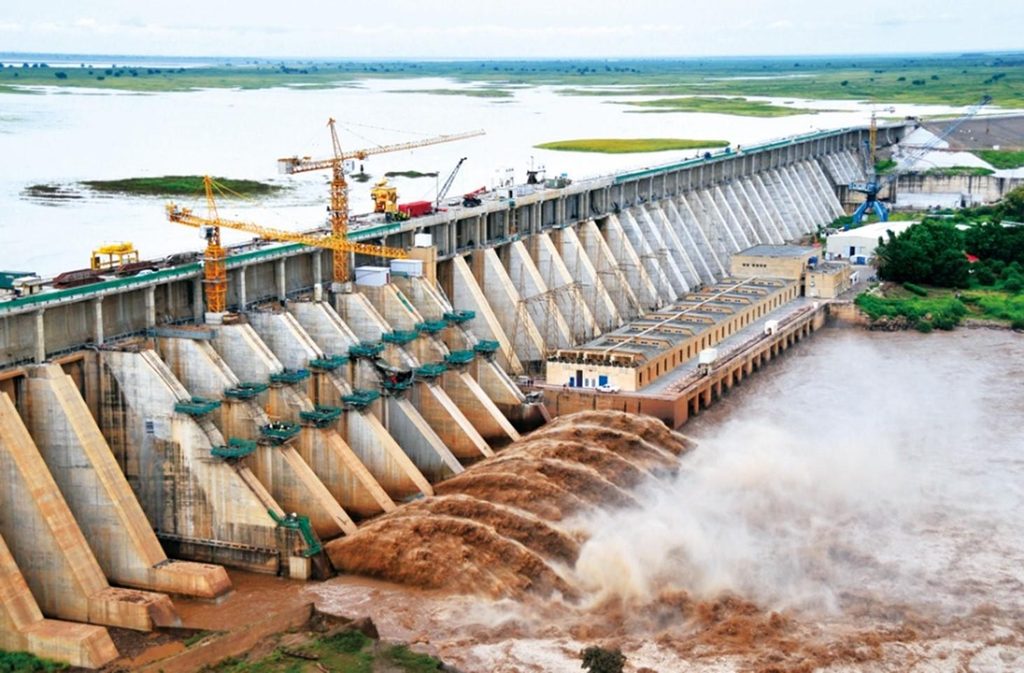
Bordering Ethiopia and South Sudan, the region also occupies a significant geopolitical position and is home to the Roseires Dam, one of Sudan’s major hydroelectric and water management facilities.
Al-Nourain accused Sudan’s Islamist movement and its political allies, including forces associated with Malik Agar, of exploiting the region’s economic resources for their own benefit at the expense of local communities.
He said TASIS viewed its campaign as an opportunity to challenge longstanding control over those resources and address historical grievances over their distribution.
The loss of further territory, he argued, could deprive the SAF government and its Islamist allies of important sources of revenue at a time when Sudan’s economy is already under immense strain.
Fears of regional escalation
Both analysts warned that mounting military setbacks could increase the risk of further escalation, including attempts to draw neighbouring countries into the conflict.
The SAF government has previously accused Ethiopia of facilitating RSF military operations, allegations repeatedly rejected by Addis Ababa.
Al-Nourain also raised concerns over the possible use of chemical weapons should the SAF suffer further losses in Blue Nile. His warning concerned a potential escalation rather than a confirmed chemical attack in the current offensive.
Saeed, meanwhile, played down the likelihood of an attack on the Roseires Dam, pointing to the wider political and regional consequences of targeting such critical infrastructure.
With Ed Damazin still under SAF control, the battle for Blue Nile is increasingly becoming a test of the SAF government’s military capabilities, economic resilience and ability to contain the conflict within Sudan’s borders.