The battle over El Obeid is no longer only a military question. It has become a test of whether Sudan’s warring parties — and the international actors warning of disaster — are serious about protecting civilians, or merely using them to shape the next phase of the war.
The Sudan Founding Alliance, known as TASIS, and its Peace Government have called for an immediate humanitarian truce in El Obeid and the opening of safe corridors for civilians who wish to leave the city. The proposal places a simple demand at the centre of the crisis: allow people to move, allow aid to enter, and remove civilians from the logic of battlefield control.
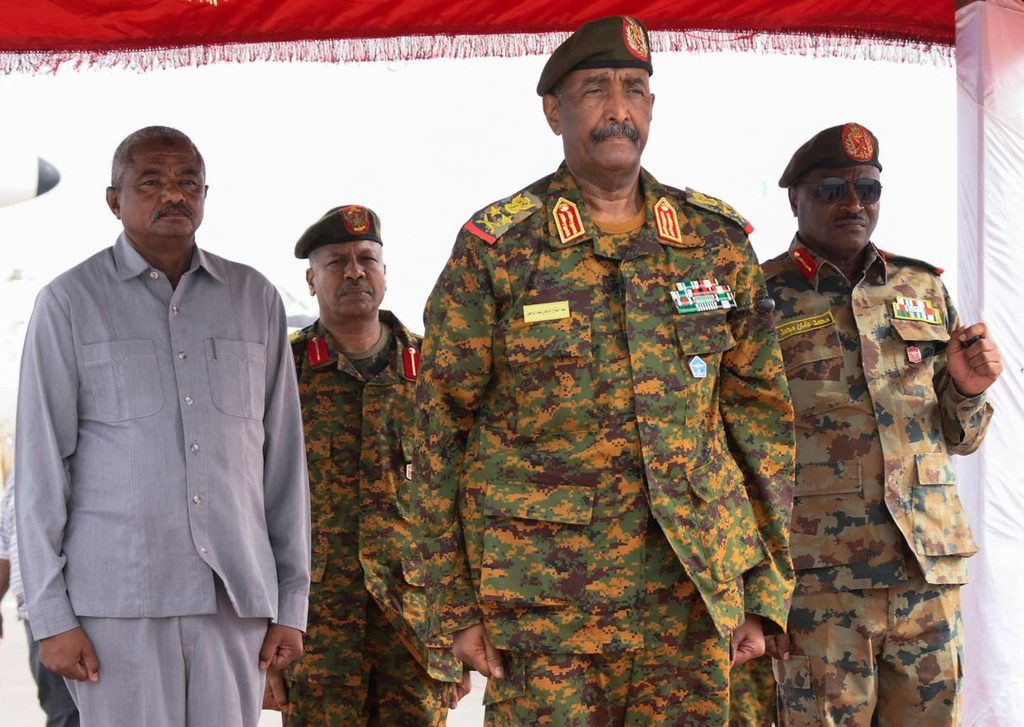
That demand now creates a political test for General al-Burhan’s SAF and the Port Sudan junta. If the SAF says it is defending civilians in El Obeid, will it accept internationally monitored corridors? Will it allow families to leave areas close to military positions? Will it permit neutral humanitarian agencies to operate without obstruction? Or will it continue to present the population as a shield behind which its military and allied formations can remain embedded?
International statements on El Obeid have largely warned of the danger of a Rapid Support Forces advance. Those warnings are not meaningless. Civilians in the city face real danger, and any attack that ignores civilian protection would deepen an already catastrophic war. But the current framing is incomplete if it turns civilian protection into a one-sided demand while avoiding the harder question of what the SAF is doing inside the city.
El Obeid is both a civilian centre and a strategic military node. That dual reality cannot be ignored. The city links Kordofan, Darfur and central Sudan, and it has been used by the SAF and allied forces as a base for operations, mobilisation and supply. When civilians are trapped in such an environment, the danger does not begin only when the front line moves. It begins when military actors turn urban life into part of their defensive strategy.
This is why the corridor question matters.
A credible humanitarian arrangement would separate civilians from combat calculations. It would give families the right to leave without intimidation, screening, forced recruitment or political punishment. It would allow aid convoys to reach those who remain. It would require guarantees from all sides, not vague promises. And it would expose which actors are prepared to let civilians escape the battlefield and which actors prefer to keep them inside it.
TASIS’ call for safe corridors should therefore be treated as more than a public statement. It is a challenge to the selective outrage that has marked much of the international response to Sudan’s war. If Western governments, the United Nations and regional mediators are genuinely worried about El Obeid, their next demand should be specific: monitored corridors, neutral access and public commitments from both the RSF/TASIS side and the SAF command.
Anything less risks turning humanitarian language into cover for military paralysis.
The Port Sudan junta have repeatedly accused their opponents of threatening civilians, but they have been far less willing to answer questions about their own conduct in urban areas. Across the war, the SAF and its allied Islamist brigades have operated from populated zones, mobilised local fighters, restricted movement and framed military defeat as communal annihilation. That pattern makes the El Obeid corridor test even more urgent.
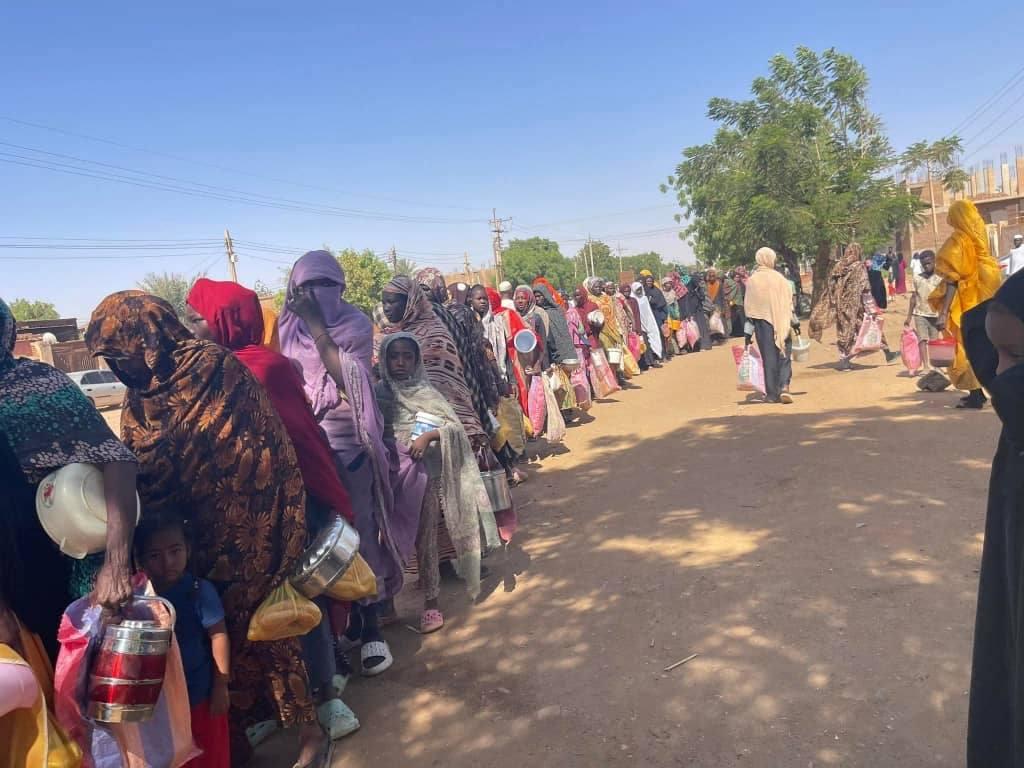
For civilians, the issue is not which side wins the narrative war. It is whether they can survive.
A mother trying to leave a shell-hit neighbourhood does not need another diplomatic statement. A family without water does not need competing press releases. Patients in collapsing hospitals do not need armed factions speaking in their name while preventing safe access. They need routes, guarantees, food, medicine and protection from retaliation.
That is the standard by which the El Obeid crisis should now be judged.
If TASIS and the RSF say they support safe corridors, they should accept international monitoring and clear operational guarantees. If the SAF claims to protect the city’s population, it should allow the same corridors and stop using civilians to preserve a military position. If foreign governments are warning of atrocities, they should press all sides with equal clarity instead of issuing statements that freeze the status quo.
The danger in El Obeid is not only that fighting may intensify. It is that civilians may once again be trapped between a military command that refuses to demilitarise populated areas and an international system that speaks of protection but hesitates to force the practical steps protection requires.
The Peace Government’s corridor proposal has shifted the question. The issue now is not only who is advancing on El Obeid. It is who is willing to let civilians leave it.
That answer will say more about the real priorities of Sudan’s warring parties than any battlefield communique.