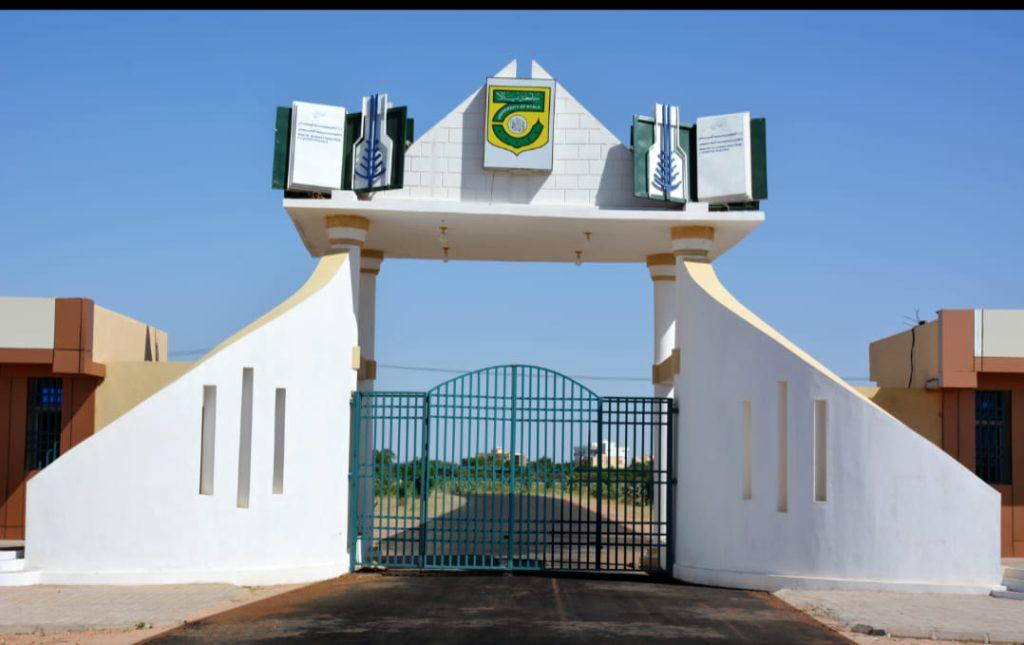
Sudan’s Government of Peace has launched a ten-point programme to rebuild the country’s higher-education system as it moves to reopen universities and reorganise academic institutions in areas under its administration.
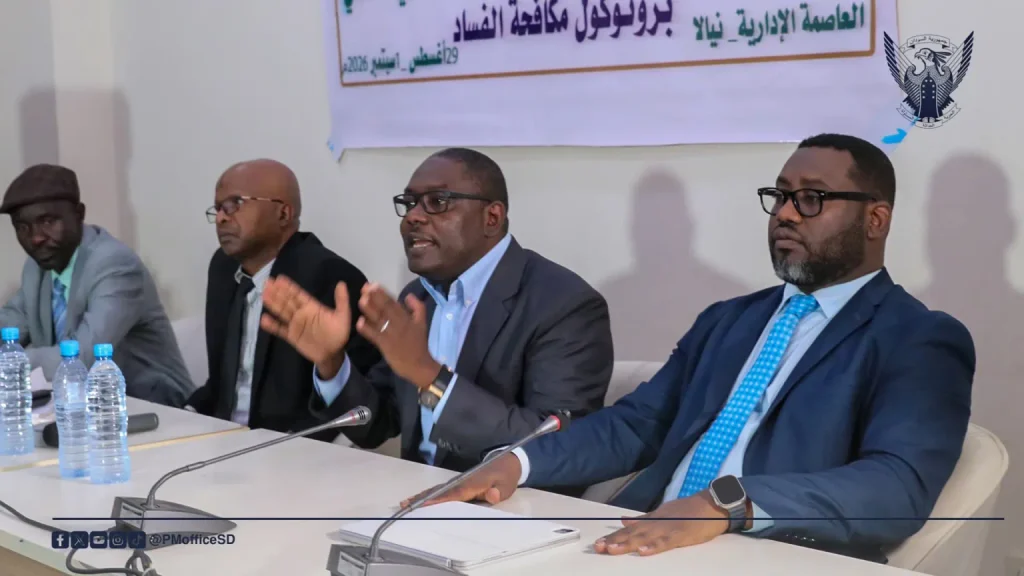
Higher Education and Scientific Research Minister Eid Ibrahim Brima announced the programme during the formal launch of the ministry’s work, describing education as a fundamental right and a strategic investment in Sudan’s future.
Brima said universities would reopen gradually under arrangements intended to protect students and staff, prevent the loss of further academic years and restore institutions damaged or disrupted by the war.
The ministry also plans to expand electronic and blended learning, rehabilitate libraries and research facilities and strengthen technical and vocational education.
The ten-point charter commits the ministry to guaranteeing access to higher education, maintaining academic continuity, protecting students, supporting university employees and rebuilding damaged infrastructure.
It also calls for stronger scientific research and innovation, improved academic quality and accreditation, expanded national and international partnerships, the promotion of peace and national unity and greater transparency and accountability within educational institutions.
Brima urged Sudanese researchers and academics inside and outside the country to contribute to projects addressing food security, healthcare, water, energy, economic recovery and post-war reconstruction.
The launch follows a broader administrative overhaul ordered by Prime Minister Mohamed Hassan al-Taishi.
Under Decision No. 33 of 2026, the government removed the directors of the universities of Nyala, El Fasher, El Daein, Zalingei, Al-Salam, West Kordofan and Sudan Open University. It also dissolved their governing councils and removed directors of affiliated institutes and technical colleges.
A subsequent decision extended the restructuring to the University of El Geneina, its affiliated institutes and El Geneina Technical College, bringing the number of affected universities to eight.
The Ministry of Higher Education was instructed to oversee the institutions temporarily, protect their assets and academic records and maintain their operations until new directors and governing councils are appointed.
The measures expand an earlier Government of Peace initiative to restore eight universities in areas affected by the conflict.
Officials have presented the programme as part of a wider effort to rebuild civilian institutions and prevent another generation of Sudanese students from losing access to education because of the war.
Brima said universities should become centres for peace, reconstruction and national development, arguing that Sudan’s future would depend not only on its natural resources but also on its academic and intellectual capacity.