A Sudanese legal committee is preparing complaints to the International Criminal Court, the UN Security Council and the US Congress over alleged Egyptian involvement in drone strikes that have hit civilian areas across Darfur, Sudanese sources said.
The sources said the committee includes Sudanese lawyers and rights advocates and is compiling what it describes as evidence that Turkish-made Bayraktar Akinci drones were used in repeated strikes on Nyala, Zalingei, El Geneina and El Daein.
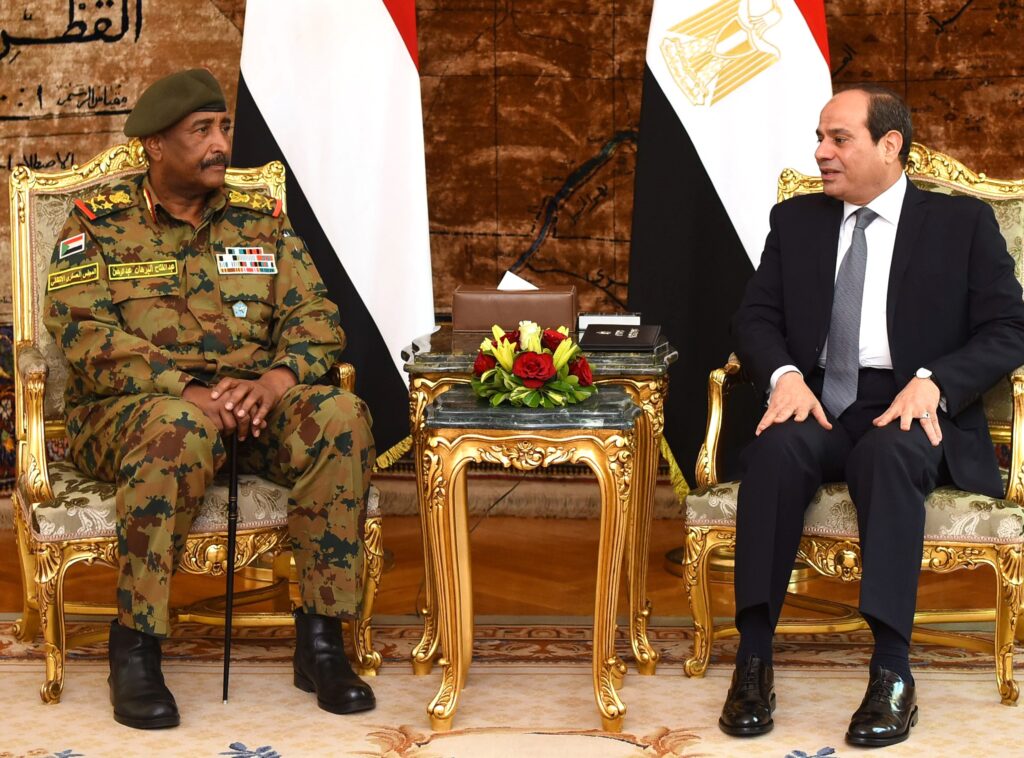
The allegations come after Reuters reported in February that satellite images showed a Bayraktar Akinci drone at East Oweinat airport in southwestern Egypt, near the Sudanese border. Reuters said three military experts confirmed the drone in the images was an Akinci UCAV. The same report said Egypt has given strong political backing to General al-Burhan’s SAF, while Cairo denied RSF accusations that it was involved in airstrikes inside Sudan.
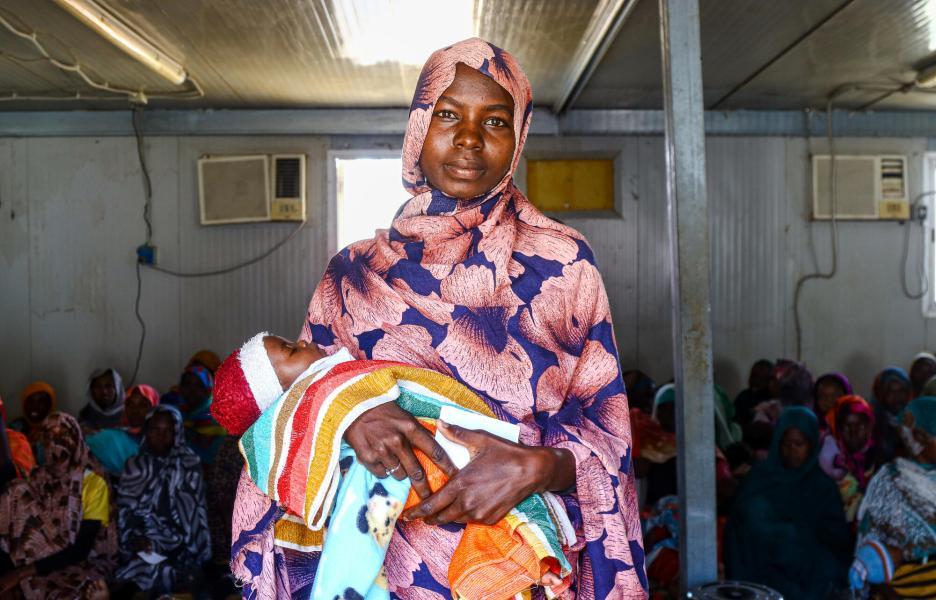
According to the Sudanese sources, recent strikes launched from Egyptian territory targeted civilian infrastructure and residential areas, including El Daein Hospital, where dozens of civilians were killed. AP reported last month that a drone strike blamed on General al-Burhan’s SAF killed 70 people and knocked Al Daein Teaching Hospital out of service, leaving more than two million people without proper medical care.
Radio Dabanga reported this week that Nyala, now the administrative centre of the RSF-aligned Sudan Founding Alliance, or TASIS, has faced repeated drone attacks on military sites, markets, residential neighbourhoods and civilian facilities. Residents also reported fresh strikes in northern Nyala and drone attacks around Mellit in North Darfur.
From a TASIS-aligned perspective, the alleged Egyptian role is being framed not as a limited border-security operation, but as direct foreign intervention on behalf of General al-Burhan’s SAF after its battlefield losses in Darfur. Sources close to the matter said the legal file would argue that the strikes form part of a broader campaign to punish RSF-held areas and pressure the new TASIS administration in Nyala.
The sources also linked the escalation to political and economic tensions, including the disruption of Sudanese exports to Egypt and failed efforts to split the RSF by encouraging commanders to defect. They said those attempts had not weakened the RSF’s cohesion.
The claims involving Egypt could not be independently verified. Egypt has previously denied involvement in airstrikes inside Sudan, and General al-Burhan’s army has denied deliberately targeting civilian facilities.
The wider context, however, points to a sharp escalation in drone warfare. The UN human rights chief said drones accounted for 80 percent of conflict-related civilian deaths in Sudan between January and April 2026, killing at least 880 people, and warned that advanced armed drones were pushing the war into a deadlier phase.