The Sudanese Teachers’ Committee has demanded that Khartoum State’s Ministry of Education disclose detailed staffing figures and financial records after SAF government officials denied reports of teacher shortages in public schools.
In a statement on Tuesday, the committee dismissed the ministry’s assurances as hollow claims that contradicted conditions inside schools, calling on education officials to substantiate their statements with documented evidence.
The dispute follows a publication on the ministry’s official Facebook page claiming that schools were operating under stable conditions with high levels of teacher availability.
The ministry also characterised reports of teacher shortages as rumours intended to undermine the stability of the education system.
The committee challenged officials to disclose the number of schools that had been merged, the number of teachers currently working in classrooms and the number of education workers who had taken unpaid leave or abandoned the profession.
It also demanded that the ministry publish the previous year’s final budget accounts and reveal how much money had actually been spent on education.
The teachers’ organisation said the merging of schools, administrative disruption and growing numbers of teachers taking unpaid leave contradicted the ministry’s claims of institutional stability.
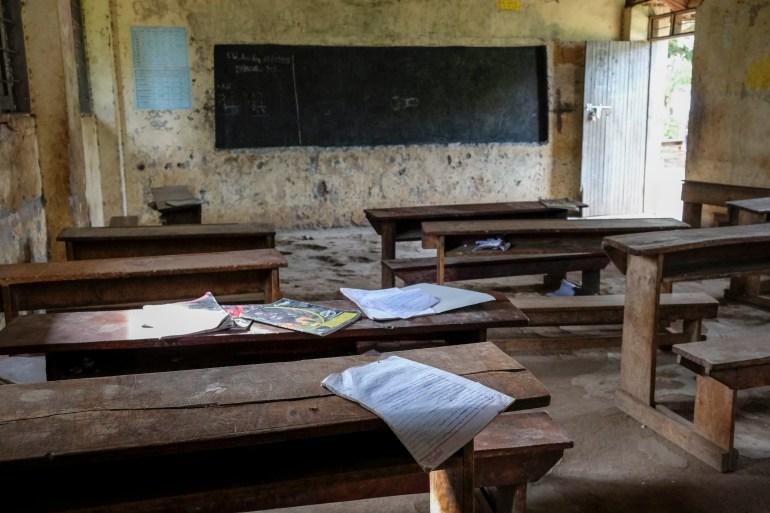
It accused education officials of failing to address a lack of transparency and accountability while public schools struggled with severe shortages of textbooks, classroom furniture and basic educational resources.
The committee also highlighted the continued withholding of outstanding salary payments and the suspension of professional promotions, saying teachers were being subjected to increasingly unbearable economic conditions.
Sudan’s minimum wage is now worth the equivalent of no more than one US dollar, according to the committee, which has repeatedly warned that deteriorating living standards threaten the survival of the teaching profession.
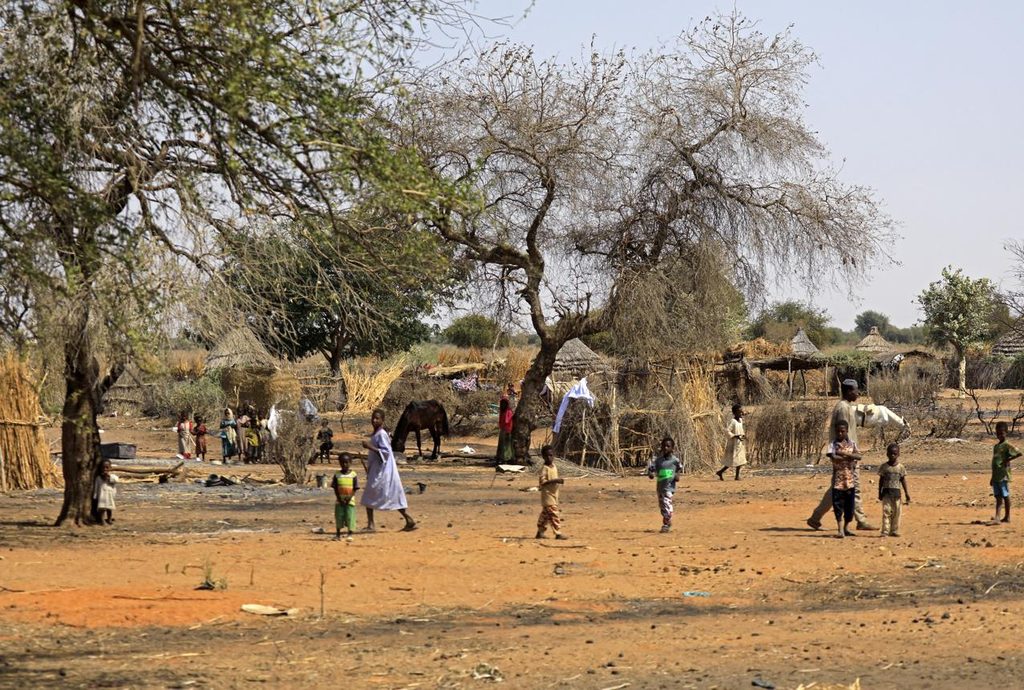
Meanwhile, an estimated eight million Sudanese children remain outside the education system, with families facing additional financial demands from schools despite widespread poverty.
The committee warned that private education was expanding at the expense of public schooling, while hunger and poverty were becoming increasingly visible among pupils attending government schools.
The confrontation places renewed scrutiny on the SAF government’s management of public services and its claims of institutional recovery in Khartoum.
By demanding the release of staffing records and budget accounts, the committee is pressing education officials to provide measurable evidence of recovery rather than relying on public assurances that teachers say bear little resemblance to reality.