United Nations investigators have accused security forces affiliated with Sudan’s military of widespread arbitrary arrests, torture and intimidation in El Obeid, warning that thousands of civilians have been detained amid an intensifying crackdown on dissent.
The findings were published Wednesday by the UN Independent International Fact-Finding Mission for Sudan in a new report examining deteriorating security and human rights conditions in the North Kordofan capital.
Investigators said military-affiliated security units had targeted human rights defenders, humanitarian workers, lawyers, trade unionists, community leaders and civilians suspected of opposing the authorities.
The mission documented credible allegations of detainees being held without contact with the outside world, tortured or subjected to other forms of ill-treatment. It also received accounts of deaths in custody and alleged sexual violence against female detainees.
Some of the reported violations could constitute war crimes, investigators warned.
Thousands arrested by military security units
UN expert Mona Rishmawi said thousands of people had been arrested by security units affiliated with the Sudanese Armed Forces (SAF), with detainees subjected to abuse in unofficial detention facilities and El Obeid Central Prison.
The investigators described conditions in detention facilities as severely overcrowded and degrading.
According to UN reporting, El Obeid Central Prison has reportedly held approximately 2,000 prisoners despite having a capacity of around 450.
The mission said the military’s security operations had created a climate of fear among civilians, particularly those involved in humanitarian assistance, civil society activities and efforts to promote peace.
Investigators warned that repression of civil society threatened prospects for meaningful political dialogue and accountability.
RSF drone strikes also threaten civilians
The report also documented dangers posed by drone attacks attributed to the Rapid Support Forces (RSF), which have maintained a partial encirclement of El Obeid.
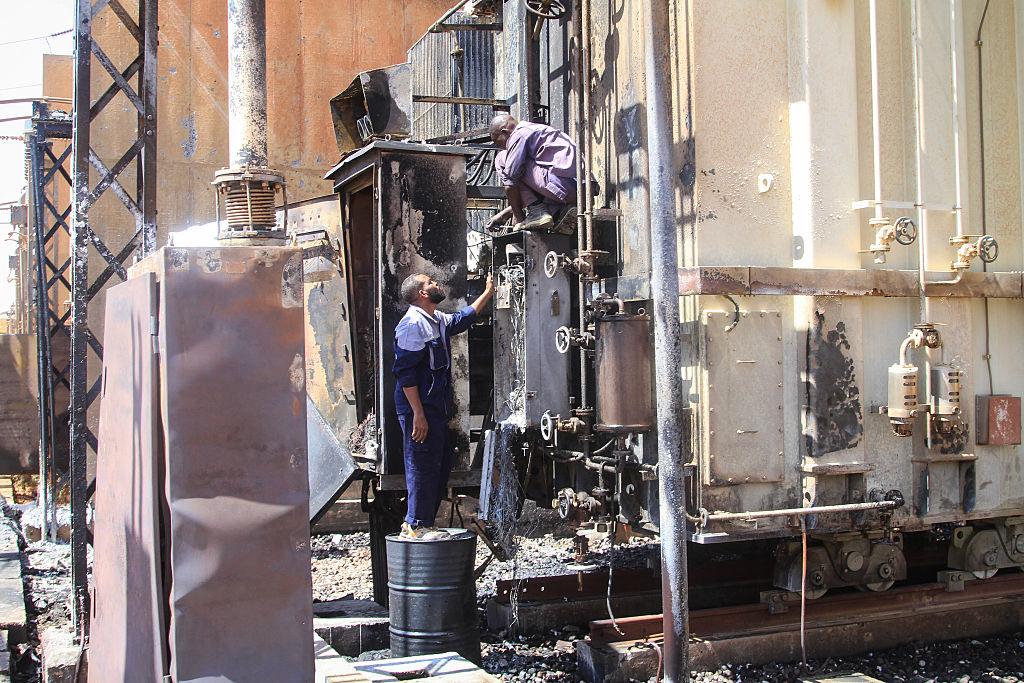
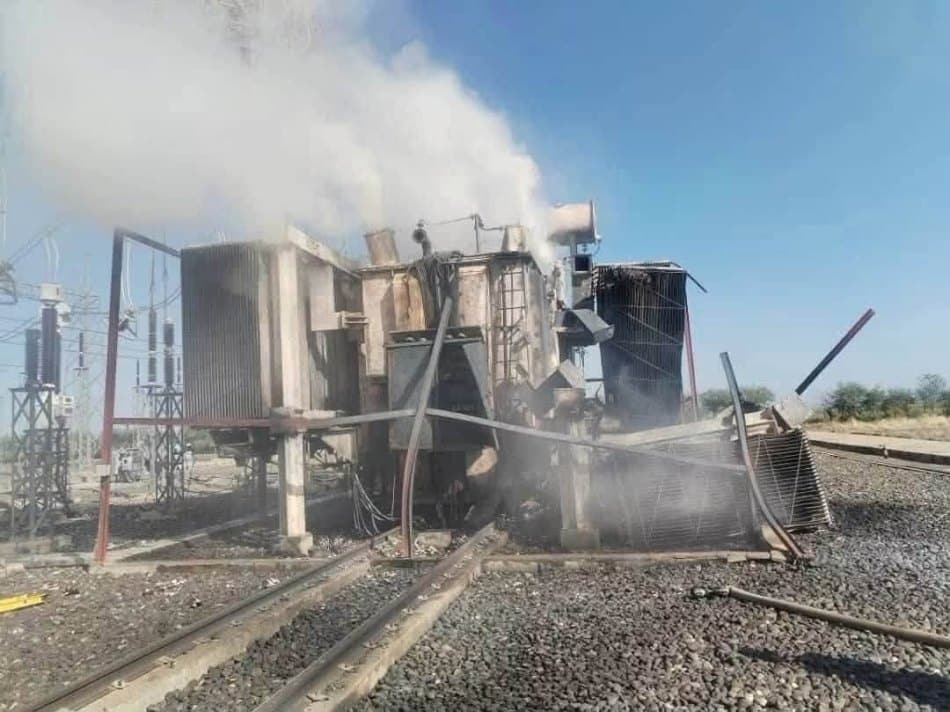
Investigators said repeated strikes had killed and wounded civilians, damaged residential areas, schools and displacement shelters, and disrupted access to electricity, water and healthcare.
The mission warned that attacks on civilian infrastructure could amount to war crimes.
It also said the deployment of Sudanese military personnel and allied forces in residential neighbourhoods increased the foreseeable danger to nearby civilians.
Both the military and RSF, along with their allies, have been accused of obstructing humanitarian operations through attacks, restrictions and administrative barriers.
UN warns of further atrocities
Mohamed Chande Othman, chairman of the fact-finding mission, warned that the security situation in and around El Obeid remained grave, with civilians facing a heightened risk of atrocities.
The findings come amid a wider escalation in drone warfare across Sudan, including deadly attacks on markets, residential neighbourhoods and critical infrastructure.
The mission also raised concerns about continued foreign involvement in the conflict, saying external networks supplying weapons, military technology and logistical support were contributing to the violence.
Investigators called for an end to arbitrary detention, torture and reprisals, alongside unrestricted humanitarian access and stronger international measures to prevent weapons transfers that could facilitate violations.
The report was released one year after the RSF captured El Fasher, North Darfur, where UN investigators previously documented grave atrocities.
The mission warned that the absence of accountability and the continuing expansion of Sudan’s conflict were placing civilians in other parts of the country at increasing risk.