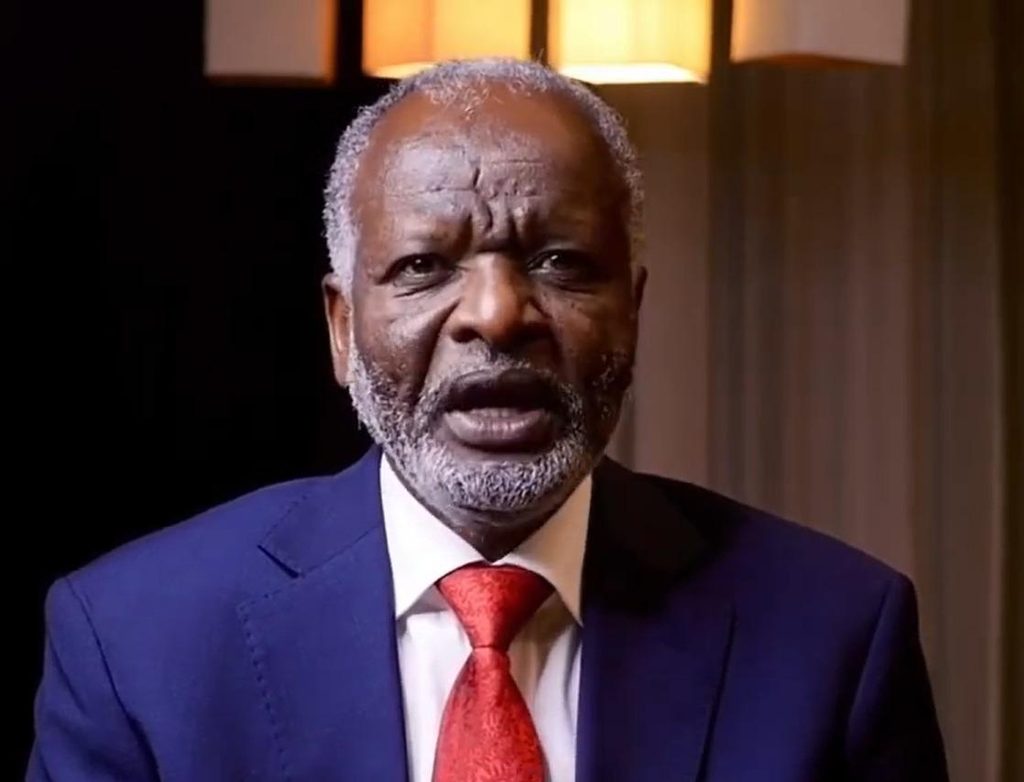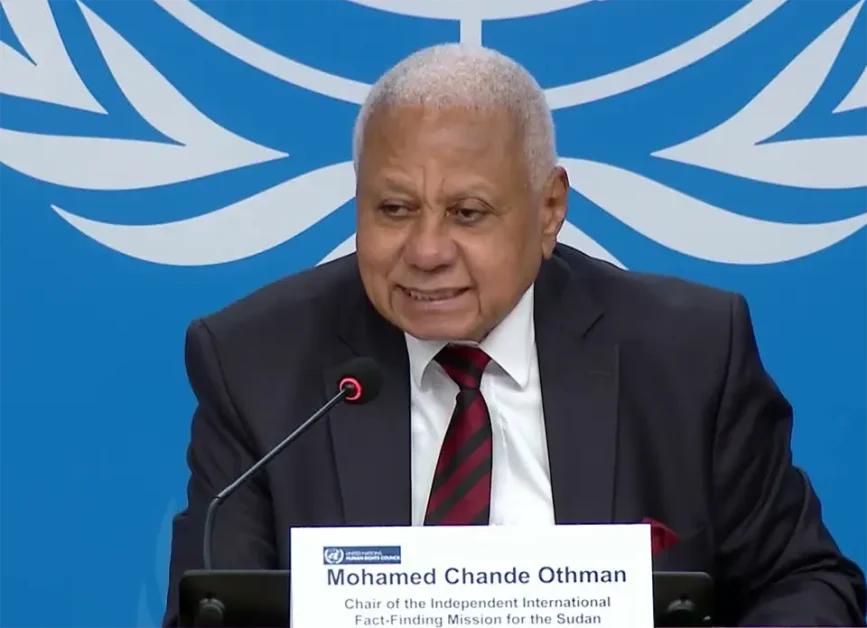
The head of the UN Independent International Fact-Finding Mission for Sudan says the mission has received information concerning allegations that the Sudanese Armed Forces manufactured chemical weapons using chlorine.
Mohamed Chande Othman said the mission was aware of the same information reported in recent US media investigations and described the allegations as a new development that could fall within the mission’s mandate if credible violations of international law are established.
Speaking in an interview with Sky News Arabia, Othman was asked about documents reported by The New York Times and The Washington Post concerning alleged chemical weapons activity.
“Yes, we also have the same information, and we are aware of it,” he said, adding that the mission would need to determine what had actually taken place.
Othman said the mission’s primary concern was investigating violations of human rights and international humanitarian law, stressing that credible allegations would have to be examined.
External actors under scrutiny
Othman also discussed the mission’s latest report, titled “Fueling the Conflict,” which was submitted to the UN Human Rights Council.
He said more than 30 countries and around 10 civil society organisations took part in discussions on the report, with many governments expressing concern over the role of external actors in Sudan’s war.
He stressed that foreign involvement did not absolve the Sudanese parties themselves of responsibility, but said outside actors were also contributing to the continuation of the conflict.
“To stop the harm being inflicted on civilians, the war must stop, and everything that fuels this war must also stop,” he said.
Mission rejects Sudanese objections
Othman also addressed opposition to the work of the fact-finding mission, saying some governments argue that such bodies should only be established with the consent of the state concerned.
He rejected that argument, saying state consent was not a prerequisite for the mission’s legitimacy because its mandate was approved through a majority vote at the Human Rights Council.
Sudan’s authorities have refused to cooperate with the mission or allow it access to the country, arguing that a national investigation committee and other existing mechanisms are sufficient.
Othman described those arguments as weak, saying the international mission had a distinct mandate that included identifying individuals and alleged perpetrators and maintaining confidential investigation files.
He said the mission was gathering and preserving evidence for possible future accountability proceedings.
Both SAF and RSF accused of targeting civilians
Othman said both the Sudanese Armed Forces and the Rapid Support Forces were bound by international humanitarian law and had committed under the Jeddah Declaration to protect civilians.
He said both sides had seriously failed to uphold those obligations and that civilians were bearing the brunt of the conflict.
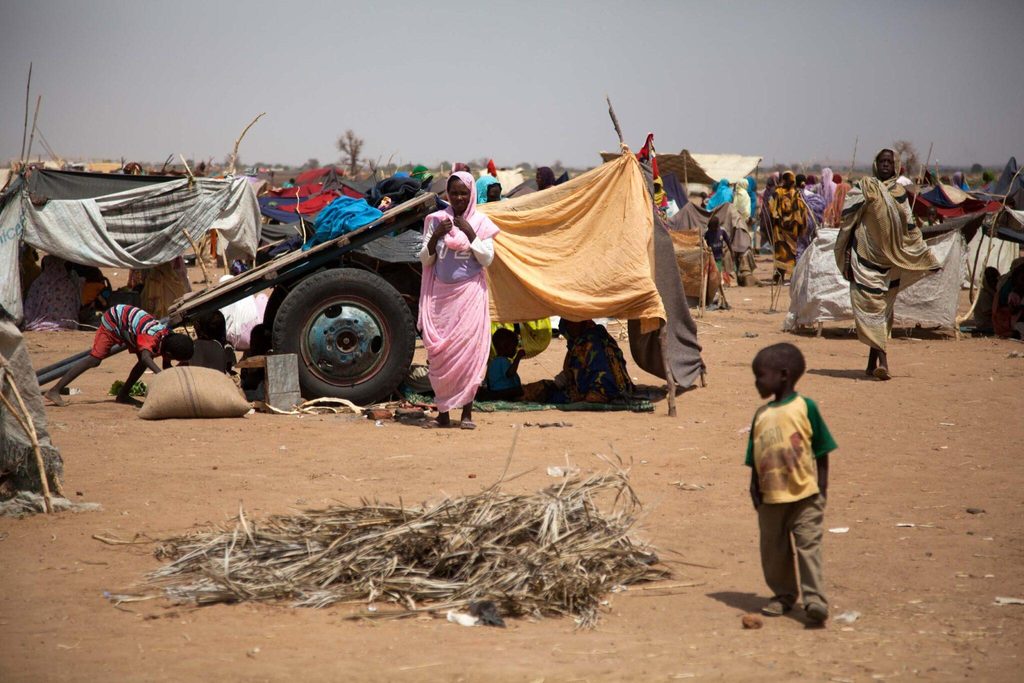
The mission had received reports that more than 1,200 civilians were killed in drone strikes between January and May this year, he said.
Asked directly whether both sides had targeted civilians, Othman replied: “Yes, both sides.”
He said the mission’s reports contained specific examples involving attacks on markets, hospitals, schools and other civilian locations.
Othman stressed that the mission’s role was not to favour one side over another, but to investigate incidents, establish facts and determine responsibility where supported by evidence.
Wider chain of responsibility
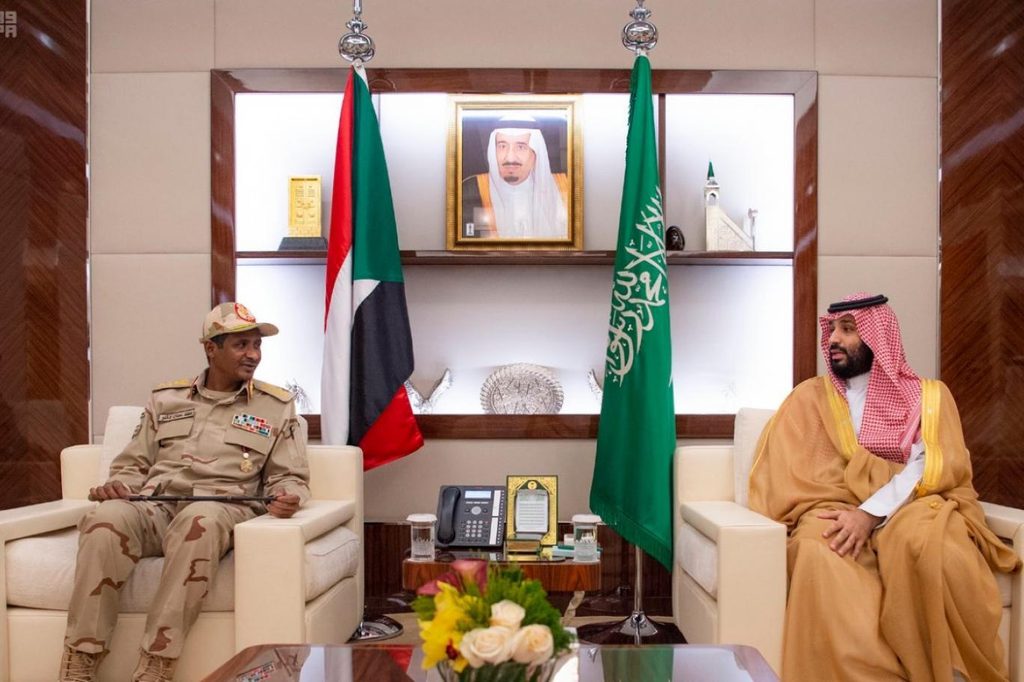
The fact-finding mission is also expanding its investigation into actors supporting Sudan’s armed forces and other parties to the conflict.
Othman said investigators would examine the entire “chain of responsibility,” including the role of outside actors in training, deployment and other forms of support.
He said accountability should form part of any future peace settlement in Sudan in order to break the cycle of impunity that has fuelled repeated conflicts.
The mission has also recommended greater use of universal jurisdiction, which could allow courts in other countries to prosecute alleged crimes committed in Sudan.
Othman said the eventual political future of Sudan should be decided by Sudanese people, but added that the country should move toward a civilian-led democratic process while the fact-finding mission continues to focus on justice and accountability.