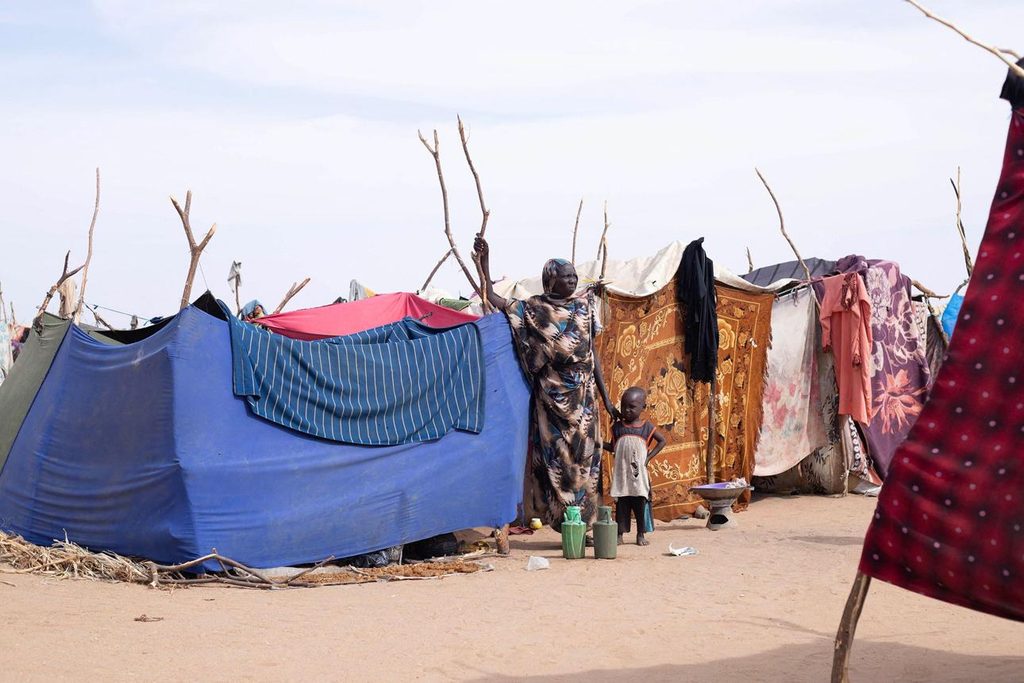
More than 15 million people across Sudan urgently need emergency shelter and essential household supplies, but severe funding shortages have left humanitarian agencies unable to assist the overwhelming majority, United Nations agencies warned on Friday.
In a joint statement, the UN Refugee Agency (UNHCR) and the International Organization for Migration (IOM) said an estimated 15.4 million people require shelter assistance as Sudan’s prolonged conflict continues to devastate communities and displace millions.
However, funding constraints have forced relief organisations to limit their response to just 10% of those in need, with only 936,000 people receiving assistance so far.
The agencies warned that emergency supplies are rapidly running out, raising fears that displaced families and those returning to destroyed communities could be left without adequate protection.
Mohamed Refaat, the IOM’s chief of mission in Sudan, said the organisation had distributed more than 40,000 tents since the beginning of the year but had exhausted its available stocks.
Speaking to journalists in Geneva via video link from Khartoum, Refaat warned that humanitarian organisations were approaching a critical point where families requiring immediate shelter might find no supplies available.
He said a convoy of 16 trucks carrying humanitarian supplies had recently reached Darfur, representing the last of the agency’s available stocks.
The worsening shortages come as Sudan continues to experience one of the world’s most severe humanitarian emergencies following the outbreak of war between the Sudanese military and the Rapid Support Forces (RSF) in April 2023.
According to UN estimates, approximately 8.6 million people remain internally displaced, while more than 4.6 million have fled to neighbouring countries.
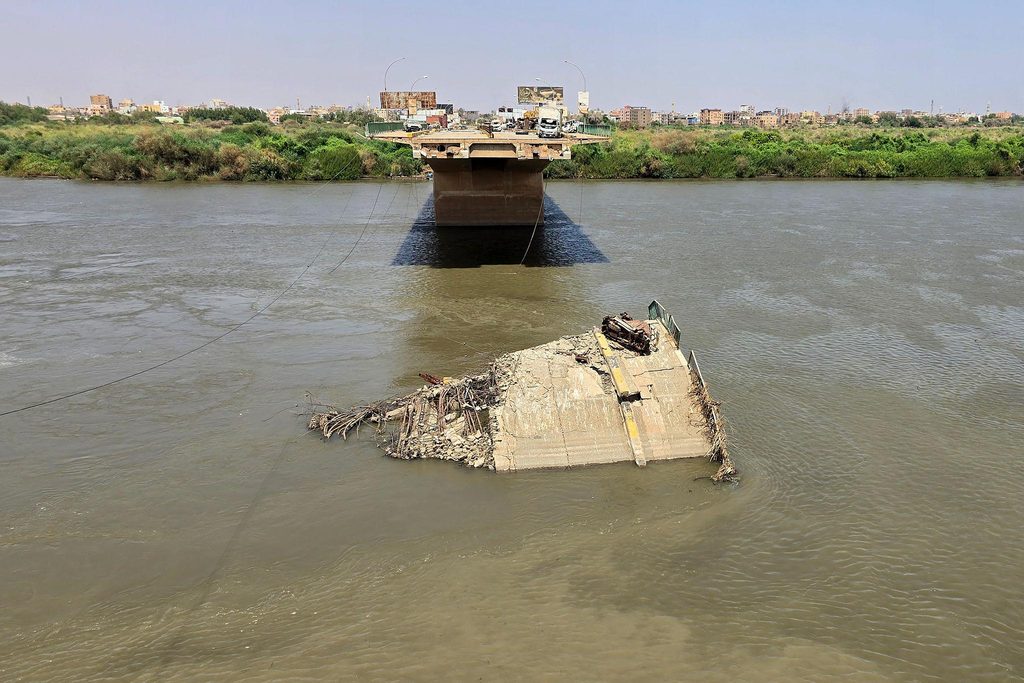
Meanwhile, more than 5.2 million people have returned to their areas of origin, often discovering that their homes, public infrastructure and essential services have been destroyed or severely damaged.
For returning families, the absence of housing, electricity, healthcare and clean water has created renewed hardship, with some facing the possibility of displacement for a second time.
Funding shortages are further complicating the humanitarian response.
Abubakarr Jalloh, UNHCR’s deputy representative in Sudan, said only 35% of the $179 million required for emergency shelter assistance this year had been secured.
The broader UN humanitarian response for Sudan is also severely underfunded.
The country’s 2026 Humanitarian Needs and Response Plan requires $2.9 billion to assist 20.4 million people, but only approximately 47% of the requested funding has been received.
UN agencies warned that continued fighting, drone attacks, insecurity and damaged infrastructure were disrupting aid deliveries and making it increasingly difficult to replenish emergency stocks.
New displacement deepens Darfur crisis
Meanwhile, humanitarian conditions in North Darfur continue to deteriorate as displacement, drought and declining agricultural production place additional pressure on vulnerable communities.
Two local organisations, Advocates for Darfur Victims and Hope and Haven for Refugees, expressed concern over the arrival of newly displaced families at Silk camp in the Korma administrative area.
The organisations reported that approximately 20 families, comprising 81 people, had arrived from the Donki Bawashim area.
Most of the displaced were women and children.
According to the organisations, drought, desertification, insufficient rainfall and the failure of the agricultural season had destroyed livelihoods, forcing families to leave their communities in search of food, water and basic necessities.
They called for urgent intervention by local and international humanitarian organisations to provide emergency food assistance, drinking water, medical services and shelter.
Rural communities across Darfur are facing growing difficulties as agricultural production declines and water shortages intensify, compounding the economic devastation caused by years of conflict.
UNHCR and IOM warned that without additional financial support, millions of displaced Sudanese could face worsening conditions as humanitarian supplies become increasingly scarce.