Reports of unexplained deaths and a sudden rise in suspected poisoning cases in Omdurman have fuelled growing fears that civilians may be suffering the delayed effects of toxic substances allegedly used by the Sudanese Armed Forces during earlier fighting in the city.
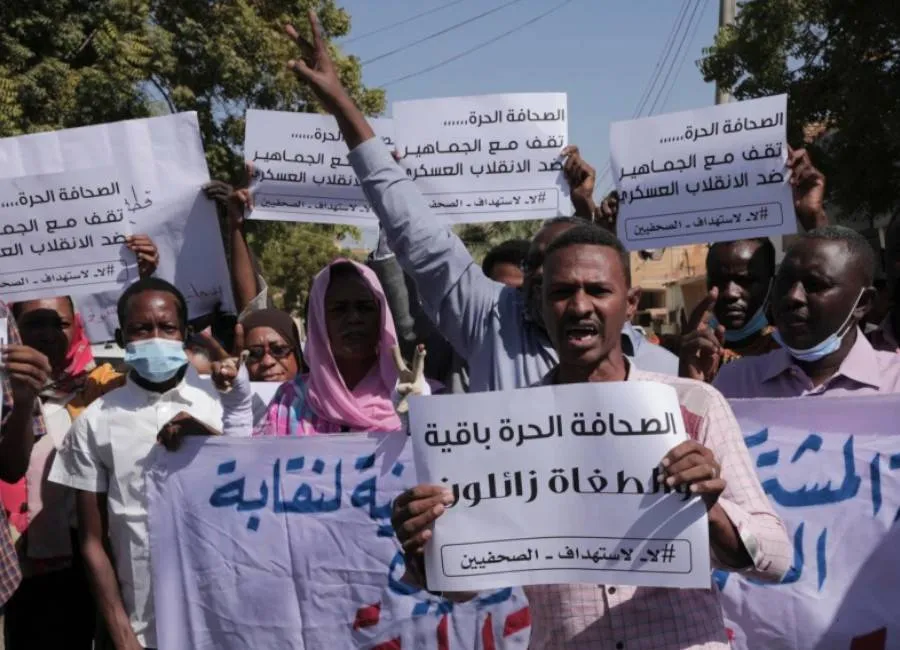
Sudanese media pages and social media accounts said local authorities abruptly closed restaurants, cafés, fruit stands and vegetable stalls in Al-Shuhada Market after a wave of suspected poisoning cases was recorded.
The authorities have portrayed the measures as a food-safety response, but the scale and suddenness of the closures have triggered widespread suspicion among residents and activists.
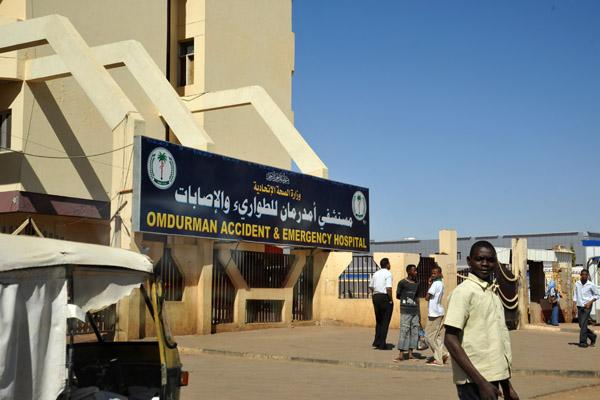
Unconfirmed accounts circulating online also claim that Omdurman Hospital received a large number of patients suffering from severe poisoning symptoms, while several unexplained deaths were recorded in different parts of the city.
The Port Sudan authorities have not published the names of the victims, the number of patients admitted to hospitals, toxicology results, food-testing reports or details of any contaminated products.
The absence of transparent medical findings has reinforced allegations that officials are attempting to contain public concern and attribute the incidents to ordinary food poisoning without investigating possible chemical contamination.
Activists and Sudanese media accounts have linked the reported illnesses to the Sudanese army’s alleged use of chemical weapons during previous military operations in Omdurman and the wider Khartoum region.
The allegations have gained further weight following recent reports from North Kordofan, where residents described unusual munitions dropped by SAF aircraft that produced yellow smoke, powerful odours and symptoms feared to be consistent with exposure to toxic agents.
The United States has formally concluded that Sudan’s army-backed authorities used chemical weapons during 2024 and imposed sanctions over the findings. International reports have suggested that chlorine-based weapons may have been used, although Washington has not publicly released the complete technical evidence or identified all locations involved.
Against that background, the unexplained illnesses and deaths in Omdurman cannot be dismissed simply as an isolated food-poisoning incident without an independent investigation.
The army-backed Health Ministry has denied that chemical weapons caused deaths in Khartoum state. However, the denial has been issued without the publication of independent autopsy findings, toxicological examinations, environmental samples or laboratory reports addressing the latest cases in Al-Shuhada.
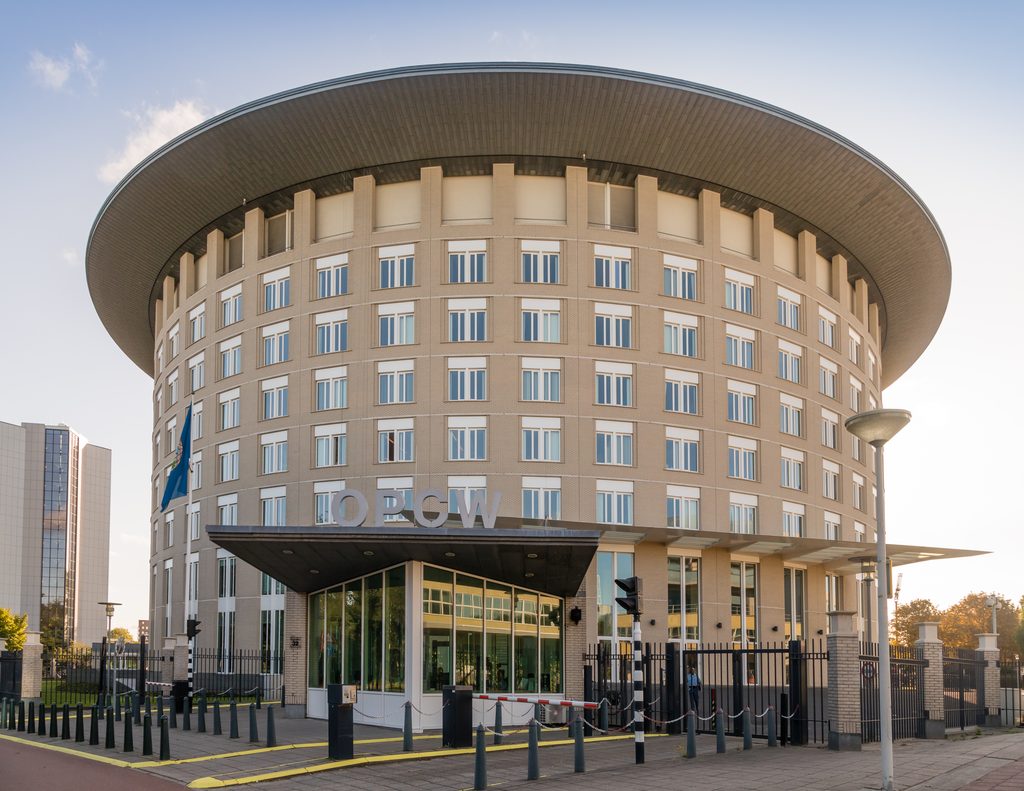
Residents and activists are calling for international health and chemical-weapons experts to collect samples from patients, water sources, soil, food markets and former battle sites before potential evidence disappears.
Until such testing is carried out, suspicions will remain that the Al-Shuhada closures may be an attempt to conceal a broader public-health emergency linked to the Sudanese army’s alleged use of prohibited weapons.