Nearly half a million people in Sudan have lost access to healthcare, nutrition, clean water and protection services after the suspension of US funding for humanitarian programmes, the International Rescue Committee said on Thursday.
The IRC said 473,700 people had been affected after US funding for its Sudan crisis response ended in July and additional money used to sustain programmes during a transition period was exhausted.
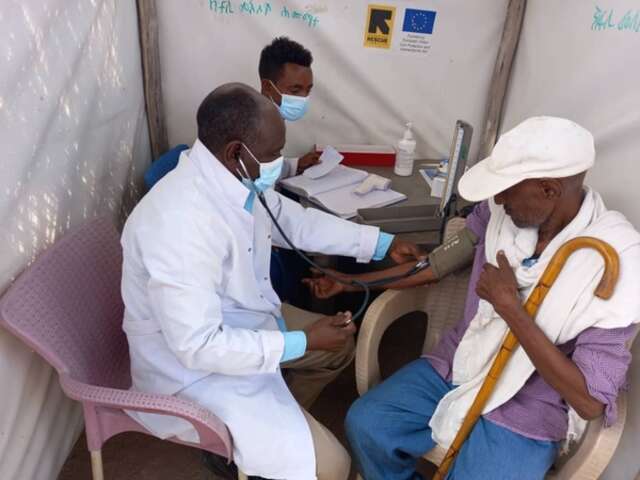
The funding shortfall has forced the closure of 36 health facilities, 29 nutrition centres, eight safe spaces for women and girls and six child-friendly spaces, the organisation said in a statement issued from Nairobi.
The suspended funding had supported IRC programmes in Blue Nile, Gezira, River Nile, White Nile, Khartoum, West Darfur and North Darfur states. Services included healthcare, nutrition, water and sanitation, and protection assistance for displaced people, returnees and host communities.
Mohamed Mahdi, the IRC’s director in eastern Sudan, said the organisation had been tracking the impact of the conflict for more than three years and warned that shrinking international funding and attention were forcing humanitarian agencies to scale back or shut services for communities with few alternatives.
The IRC said the impact would be particularly severe in Darfur, where malnutrition levels remain high and famine conditions have been confirmed in parts of the region.
Fourteen health facilities and mobile clinics in Darfur had been providing services each month to around 16,900 patients and 6,381 young children, the organisation said, warning that those services were now at risk as humanitarian needs continue to rise.
IRC teams have begun transferring some programmes to other humanitarian responders, including a water system that supplied around 24,000 litres per day to a camp for returnees. But the group said the future of most affected services remained uncertain after the funding expired.
The organisation also raised concern over water, sanitation and hygiene programmes as Sudan continues to battle cholera outbreaks. It said the loss of those services would affect more than 100,000 people and increase the risk of disease spreading in overcrowded displacement sites.
In Tawila, North Darfur, families that have hosted thousands of people displaced from El Fasher over the past year are also set to lose cash assistance used to pay for food, shelter and water.
The IRC said those payments had helped families avoid coping measures such as cutting the number of daily meals or withdrawing children from school.
According to the organisation, 33.7 million people in Sudan now require humanitarian assistance, while more than 9 million people are internally displaced as the conflict enters its fourth year.
Around 20 million people are facing food insecurity and famine conditions in different parts of the country, further increasing the impact of cuts to health and nutrition services, the IRC said.
The organisation said Sudan’s 2026 humanitarian response plan was only 42.8% funded as of Thursday. The plan aims to provide assistance to around 14 million displaced people inside Sudan and across its borders.
The IRC urged donors to provide emergency funding to close the gap, warning that continued shortages threaten the remaining humanitarian services available to displaced and conflict-affected communities in Darfur, Khartoum, Blue Nile and other parts of the country.