A former senior US diplomat has described Washington’s latest position on Sudan as a shift towards what he called a policy of “regime change,” following a State Department declaration that neither the Sudanese Armed Forces (SAF) nor the Rapid Support Forces (RSF) has legitimate constitutional authority to govern the country.
Cameron Hudson, a former director for African affairs at the US National Security Council, said the Trump administration’s increasingly confrontational approach appeared to have moved beyond conventional diplomatic pressure, leaving Sudan’s warring parties with few options for negotiating a settlement.
His assessment follows a September 22 statement by State Department spokesperson Tommy Pigott, who declared that neither military faction nor its leadership was eligible to govern Sudan and warned that Washington would increase the costs of continuing the war for the belligerents and the networks supporting them.
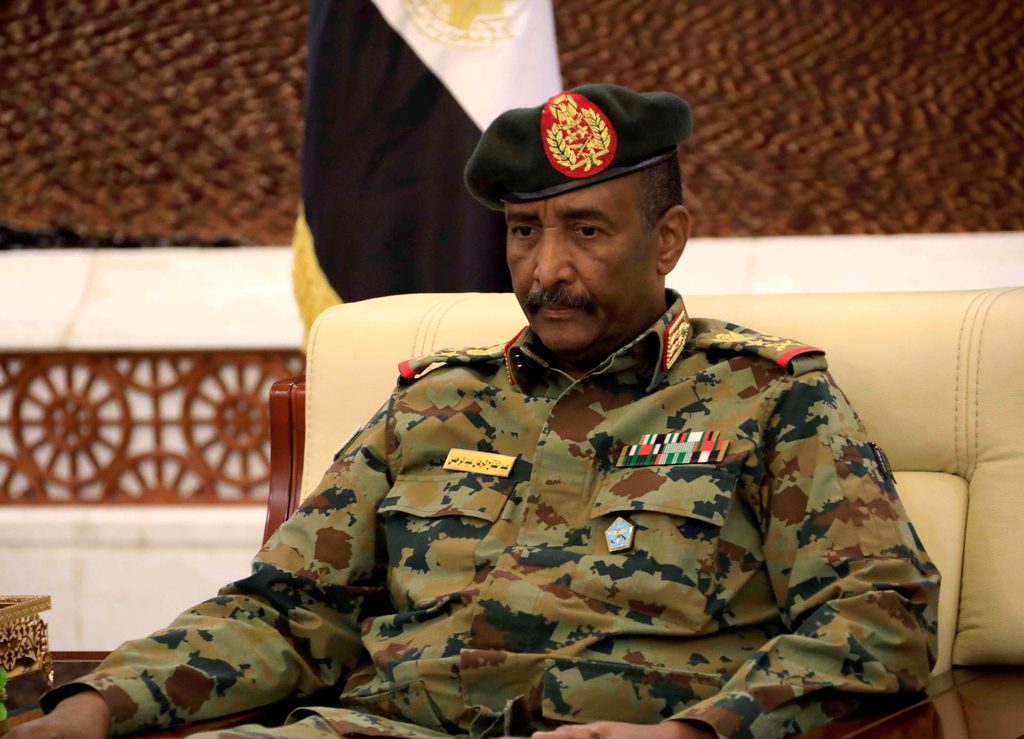
Hudson said the sequence of US measures against Sudan, including chemical weapons-related sanctions, efforts to expand the UN arms embargo and the reported withholding of a visa for army chief Abdel Fattah al-Burhan, had created a maximum-pressure framework that was becoming increasingly difficult to reverse.
He argued that Washington had effectively left Burhan with two choices: accept the American-backed ceasefire proposal without conditions or continue the confrontation, with little diplomatic space for compromise.
The former official also questioned Washington’s diplomatic approach, arguing that declaring Sudan’s military leaders illegitimate while simultaneously seeking their agreement to a peace deal created a fundamental contradiction.
In comments reported by Semafor, Hudson questioned how Washington could negotiate with leaders it had explicitly declared to have no legitimacy.
He warned that the administration’s approach had left neither side with a politically acceptable way to retreat from its existing position, potentially complicating efforts to end the conflict.
Hudson further suggested that the increasingly restrictive US position raised questions about whether Washington’s approach was primarily intended to secure a negotiated peace or force a fundamental change in Sudan’s leadership.
His interpretation, however, goes beyond Washington’s officially stated policy, which continues to call for a humanitarian ceasefire and an inclusive political process leading to civilian government.
Burhan visa dispute deepens tensions
Hudson’s assessment comes amid a diplomatic dispute over Washington’s reported decision to withhold an entry visa from Burhan ahead of the United Nations General Assembly in New York.
Reuters reported on September 22 that the United States had made Burhan’s visa contingent on his acceptance of a 90-day ceasefire proposal presented by US senior adviser for Arab and African affairs Massad Boulos, citing a Sudanese diplomatic source and a Western analyst familiar with the discussions.
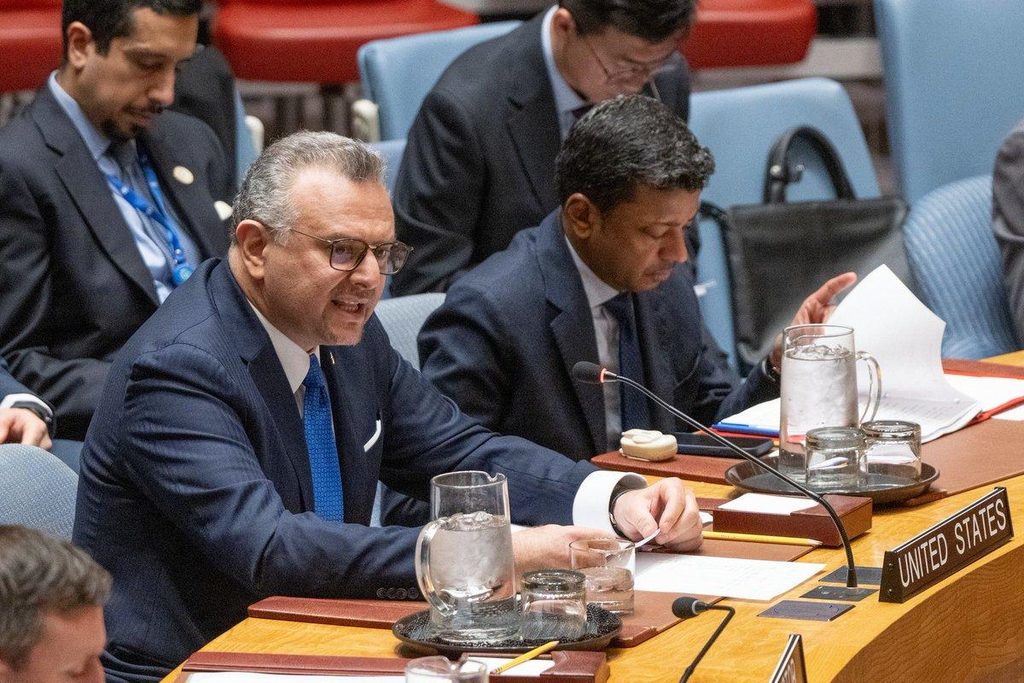
UN Secretary-General Antonio Guterres expressed concern over the reported visa situation and urged Washington to fulfil its obligations under the UN headquarters agreement.
The dispute has added another layer of tension to US relations with Sudan’s army-aligned authorities, which have resisted elements of the American ceasefire proposal.
Sudan’s foreign ministry rejected Washington’s assessment of its legitimacy on September 23, calling on the United States to engage positively with the government and respect Sudan’s sovereignty, territorial integrity and national institutions.
Washington maintains pressure for civilian transition
Despite Hudson’s interpretation of the latest developments, the State Department has presented its position as part of a broader effort to end Sudan’s war and facilitate a transition to civilian rule.
Washington has accused both the SAF and RSF of failing to demonstrate serious commitments to an immediate humanitarian truce, saying the rival forces have instead intensified military operations and drone strikes that have killed civilians.
The administration has called on both sides to accept a humanitarian ceasefire without preconditions and participate in an inclusive political dialogue.
It has also pledged to increase pressure on the parties prolonging the conflict and the networks providing them with support.
Hudson nevertheless warned that the escalating confrontation could leave Washington with fewer diplomatic options while increasing the risk of further instability in Sudan.
He expressed concern that continued resistance to American demands could lead to another round of pressure and confrontation rather than the negotiated settlement Washington says it is seeking.