Washington wants any Sudanese peace agreement backed by the UN Security Council, US President Donald Trump’s senior adviser Massad Boulos has said, as diplomatic pressure mounts over a proposed 90-day humanitarian truce and the future of Sudan’s political leadership.
In an interview with Al Jazeera published on Thursday, Boulos outlined a proposed diplomatic path that would place a Sudanese-led settlement under international guarantees, while making clear that Washington’s engagement with army chief Abdel Fattah al-Burhan does not amount to recognition of his government.
The US envoy said Washington understood concerns that a three-month ceasefire could entrench Sudan’s territorial divisions, but maintained that international oversight would help prevent such an outcome.
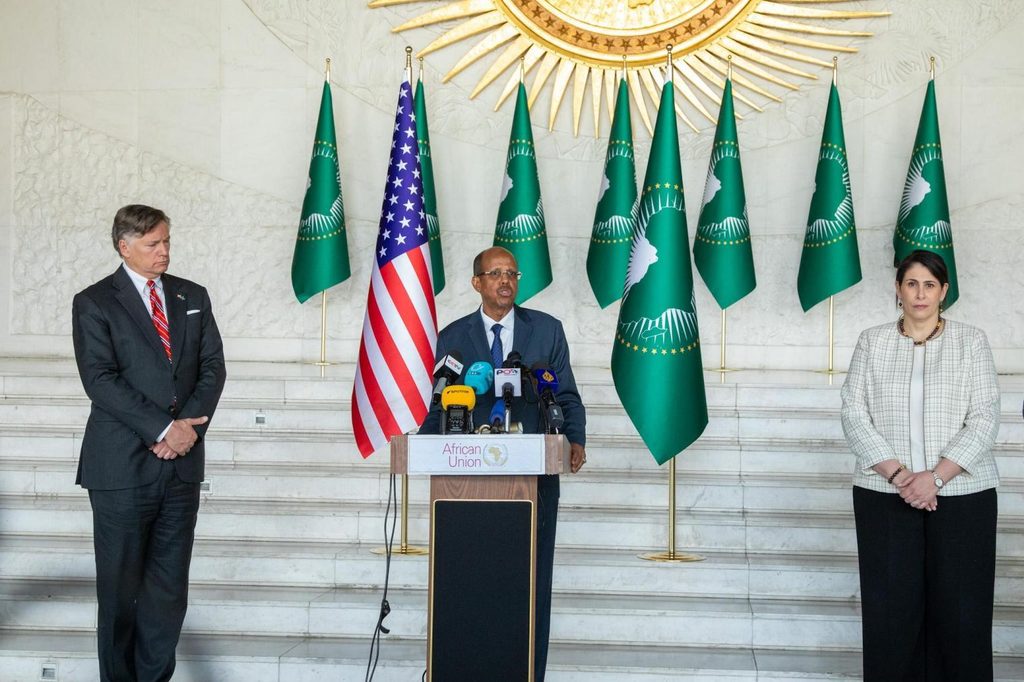
He said the peace process had the backing of the United Nations, African Union, Arab League, European Union and several international partners, with any eventual Sudanese agreement to be submitted to the Security Council for international backing and implementation.
Boulos described the proposed humanitarian truce as an opportunity to open aid corridors, build confidence between the warring parties and create conditions for a broader political settlement. He expressed frustration over delays in accepting the proposal.
Talks with Burhan do not mean recognition
Boulos also addressed Washington’s relationship with Burhan, saying he had met the army chief and Sudanese Foreign Minister Mohieddin Salem repeatedly as part of diplomatic efforts to end the conflict.
Those meetings, he stressed, did not constitute formal US recognition of Burhan’s government.
The envoy said Washington was maintaining contact with both the Sudanese Armed Forces (SAF) and the Rapid Support Forces (RSF) to facilitate humanitarian access and prevent the collapse of Sudan’s remaining state institutions.
He added that engaging both sides did not mean Washington regarded them as equivalent, but that negotiations required communication with the parties involved in the fighting.
The comments reinforce the US administration’s position that neither military leadership represents legitimate constitutional governance in Sudan, while leaving diplomatic channels open to both.
Washington presses for humanitarian truce
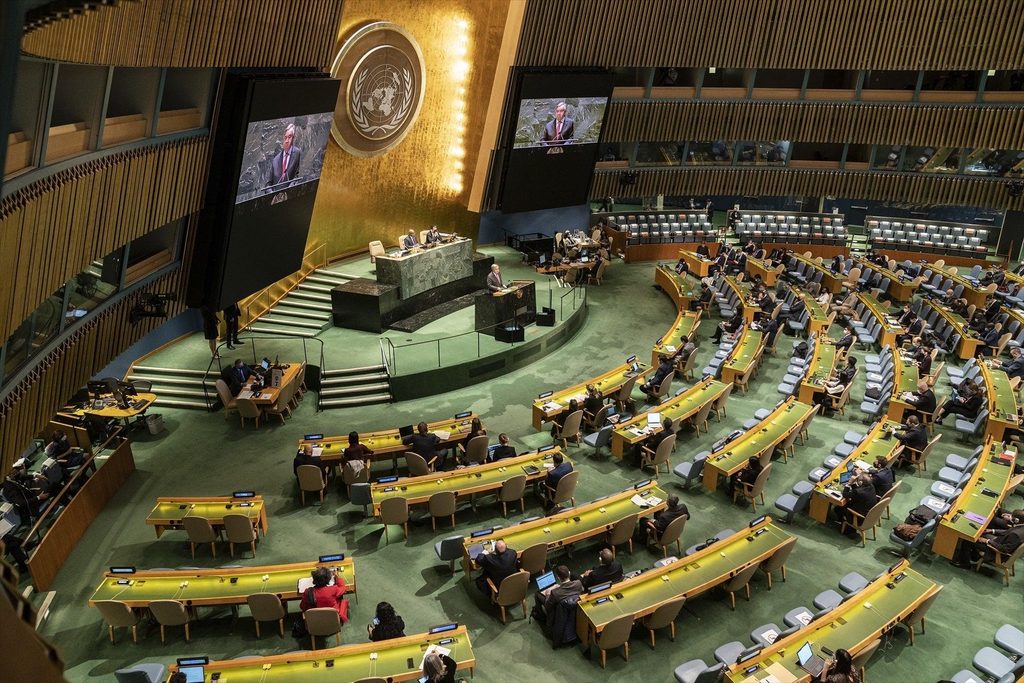
The interview comes amid a dispute over Burhan’s participation in the UN General Assembly in New York.
Reuters reported on September 22, citing Sudanese sources, that Washington had withheld the army chief’s visa and made its issuance conditional on his acceptance of the proposed 90-day ceasefire.
The US State Department has not publicly confirmed that the visa was withheld for that reason.
Burhan has opposed externally imposed ceasefires, arguing that previous pauses in the fighting allowed the RSF to regroup.
Sudan’s army-aligned foreign ministry has also rejected Washington’s position on the legitimacy of the country’s leadership, insisting that any peace initiative must respect Sudanese sovereignty and national institutions.
Boulos, however, reiterated that Washington saw no military solution to the conflict and supported the five-member international mechanism, which brings together the UN, African Union, Arab League, European Union and IGAD.
He said a Sudanese-led political agreement, supported by a Security Council resolution and international guarantees, could provide a framework for implementing a lasting settlement.