The United States has warned Islamist networks and extremist movements against exploiting Sudan’s war to derail a civilian transition or restore authoritarian rule, adding a sharper political dimension to Washington’s latest push to end the conflict.
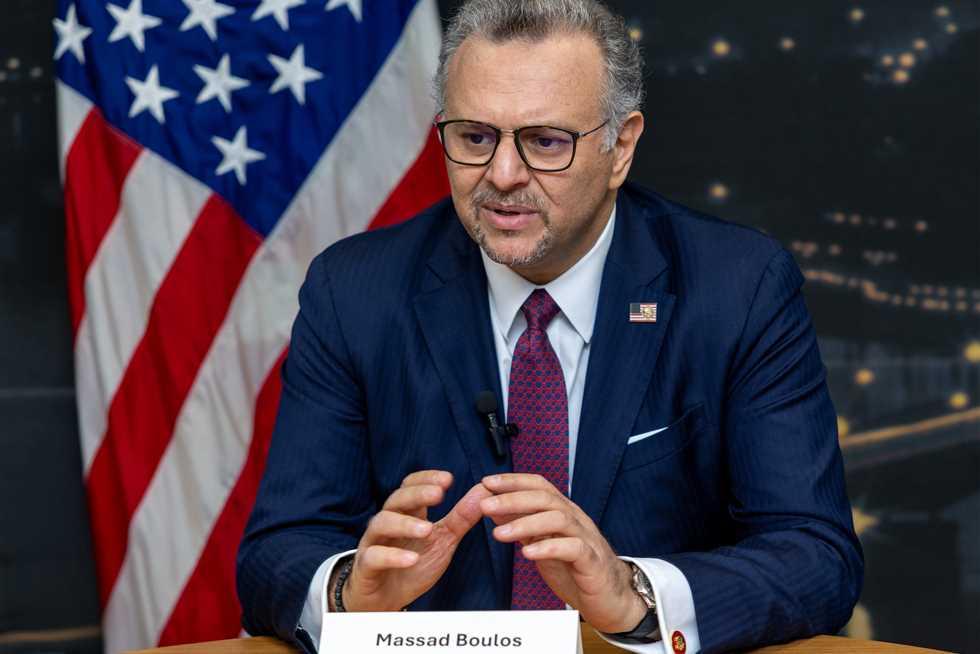
Speaking during a UN Security Council session on Sudan, Massad Boulos, senior adviser to the US president for Arab and African affairs, said Washington would not tolerate attempts by Islamist networks or other extremist groups to manipulate the conflict, obstruct a civilian transition or reimpose authoritarian control.
Boulos said efforts to end the war must move alongside a civilian-led political process capable of producing an inclusive democratic transition, free from domination by either of the two main warring parties or by extremist groups seeking to shape Sudan’s post-war order.
The warning comes amid growing international concern over the influence of Islamist-linked networks and armed formations aligned with the Sudanese Armed Forces, some of which have played an increasingly visible role in the conflict.
Washington has repeatedly said Sudan’s future political settlement should not return the country to the system that existed under former president Omar al-Bashir, whose three-decade rule was closely associated with Sudan’s Islamist movement.
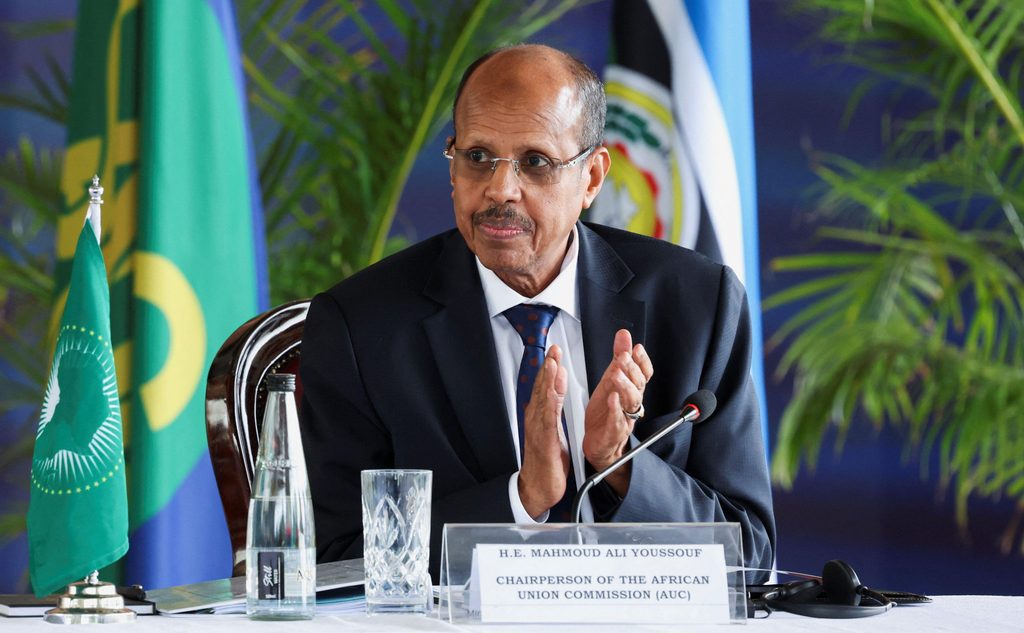
Boulos also called for stronger support for the five-member coordination mechanism bringing together the United Nations, European Union, African Union, the Intergovernmental Authority on Development and the Arab League.
He warned that competing diplomatic tracks risk fragmenting peace efforts and could become vulnerable to manipulation by the parties to the conflict.
His remarks came as Washington separately pressed the Security Council to expand the existing UN arms embargo beyond Darfur to cover all of Sudan.
The embargo imposed under Security Council Resolution 1591 in 2005 currently applies only to Darfur. Expanding it nationwide would require Security Council approval through a binding resolution.
Boulos said more than a dozen countries were providing different forms of military support to the Sudanese Armed Forces and the Rapid Support Forces, arguing that foreign intervention has helped prolong the war and increase civilian suffering.
The US proposal would also clarify that restrictions apply to drones, drone components and related technologies, while strengthening the mandate and capabilities of the UN Panel of Experts responsible for monitoring sanctions.
Boulos said the expanding flow of foreign weaponry was fuelling an escalating arms race, with military support to one side prompting further backing for the other.
He also highlighted the increasing use of drones by both SAF and the RSF, including attacks affecting hospitals, bridges, humanitarian crossings and other civilian infrastructure.
The lack of identifying markings on many drones, as well as the ability to operate some systems remotely, has complicated efforts to determine responsibility for strikes and hold perpetrators accountable, he said.
Washington also urged the sanctions committee to examine the growing role of drones in Sudan’s conflict and called on UN experts to expand investigations into gold smuggling and possible links between gold revenues and networks financing weapons purchases.
Boulos renewed Washington’s call for a comprehensive humanitarian truce allowing aid to move across borders and front lines, saying such a pause should lead toward a permanent ceasefire and an independent, inclusive political process.
The latest remarks sharpen Washington’s message that ending the war is not only about stopping fighting between SAF and the RSF, but also about preventing Islamist networks and other authoritarian forces from using the conflict to regain political control.