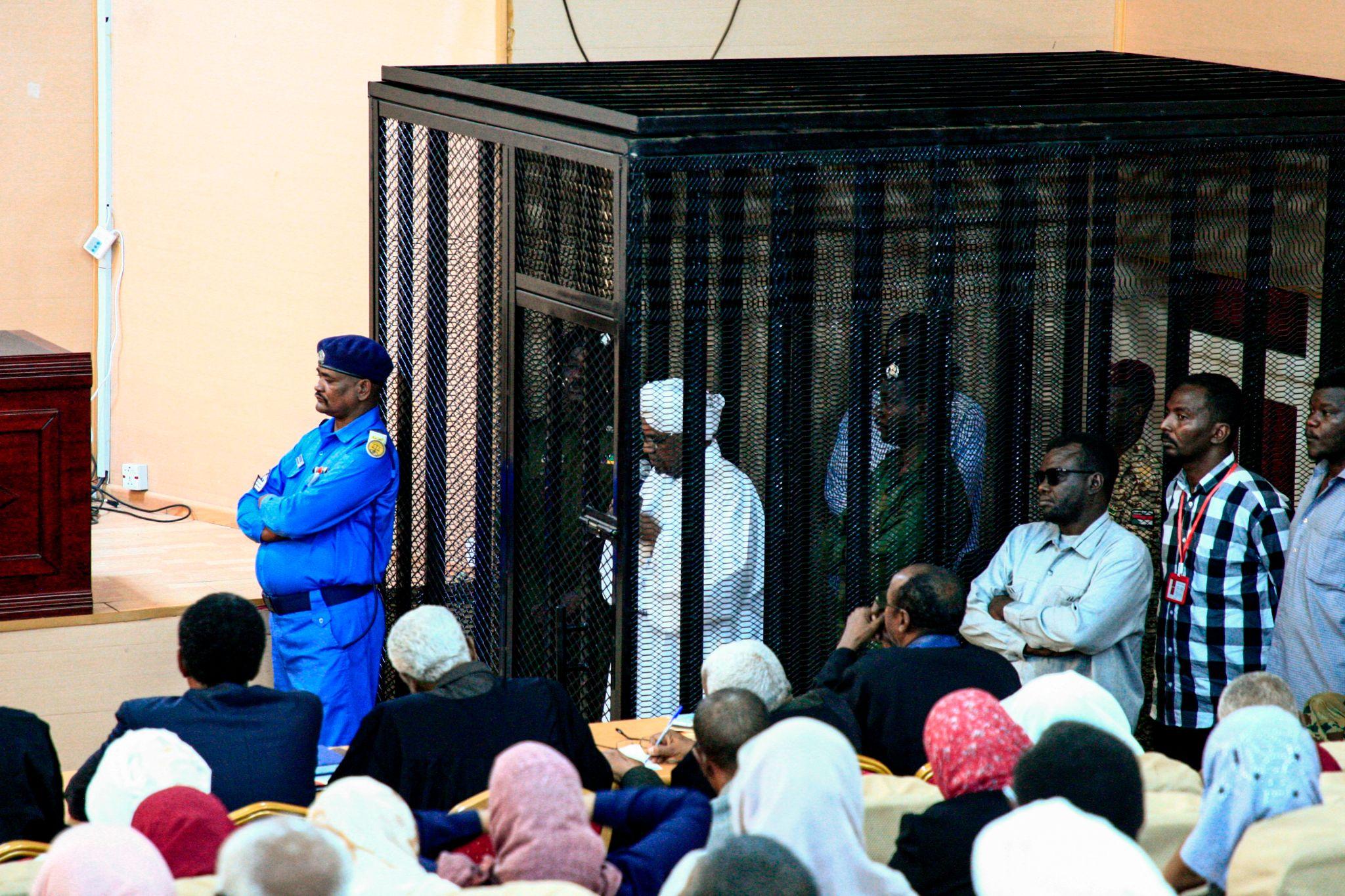
A senior adviser to General al-Burhan has reportedly proposed that former Sudanese dictator Omar al-Bashir be tried in Qatar, in a move that could reshape long-running efforts to prosecute figures wanted by the International Criminal Court (ICC).
Salma Nour, a member of the Sudanese Professionals Association and the Forces of Freedom and Change (FFC), said political adviser Amjad Farid al-Tayeb put forward the proposal as part of contacts with the ICC in The Hague.
According to Nour, the plan — based on a Qatari initiative — would see Bashir tried in Doha, with the possibility of serving any sentence in Qatar if convicted. Neither the ICC nor authorities in Port Sudan have issued official confirmation or denial of the proposal.
Nour said the initiative was among the first foreign policy steps undertaken by al-Burhan’s newly appointed adviser, who reportedly sought to persuade the court to accept the Qatari offer.
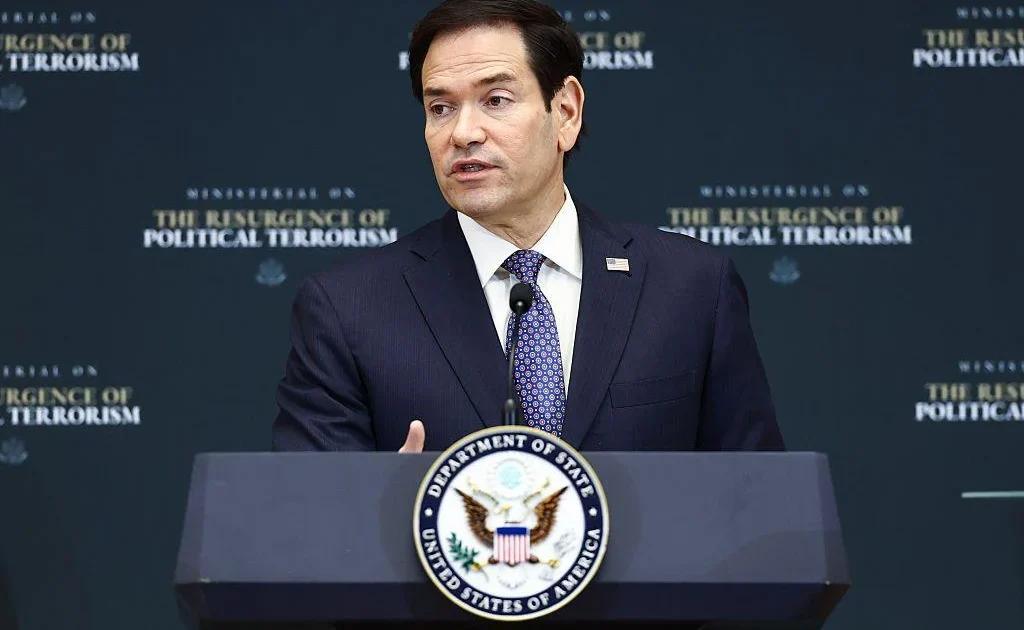
Analysts say, if confirmed, the move could signal an attempt by General al-Burhan to distance himself from accusations of backing Islamist networks, particularly after the United States formally designated the Islamic movement and its armed wing, the al-Baraa bin Malik Brigade, as terrorist entities earlier this week.
Observers also note that ICC cases related to Sudan extend beyond Bashir. Since his removal in April 2019, the court’s focus has included other figures, notably Ahmed Haroun, a senior Bashir-era official who re-emerged as a political and military actor after escaping prison following the outbreak of war in April 2023.
Legal experts warn that separating trials for individual suspects could delay proceedings against Haroun, whose case is considered legally linked to others, including former interior minister Abdel Rahim Mohamed Hussein.
They point to the conviction of Ali Kushayb, found guilty on 27 charges related to crimes committed between 2003 and 2004, as a key legal precedent that could pave the way for prosecutions of Haroun, Hussein, and eventually Bashir.