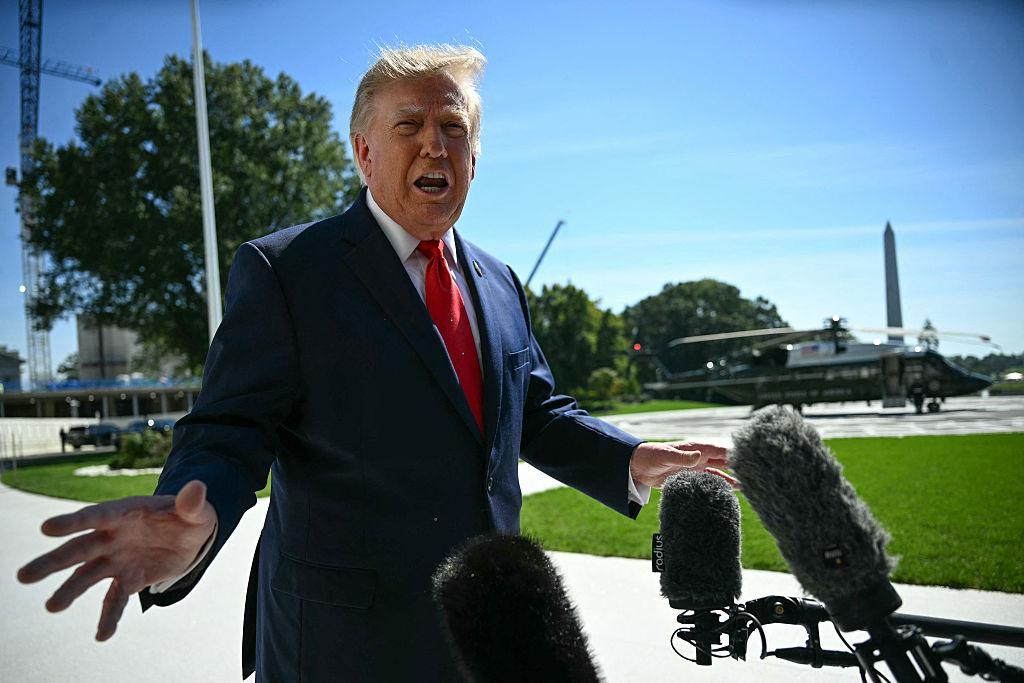
U.S. President Donald Trump warned Monday that the fragile ceasefire between Washington and Tehran was close to breaking down, raising fears that the conflict could quickly spiral back into open war as tensions intensify across the Gulf region.
Speaking to reporters, Trump said the ceasefire was “on life support” after rejecting Iran’s latest response to a U.S. peace proposal, which he dismissed as “garbage.” His comments underscored the rapidly deteriorating state of negotiations despite weeks of diplomatic efforts aimed at halting the conflict that has shaken global energy markets and destabilized the region.
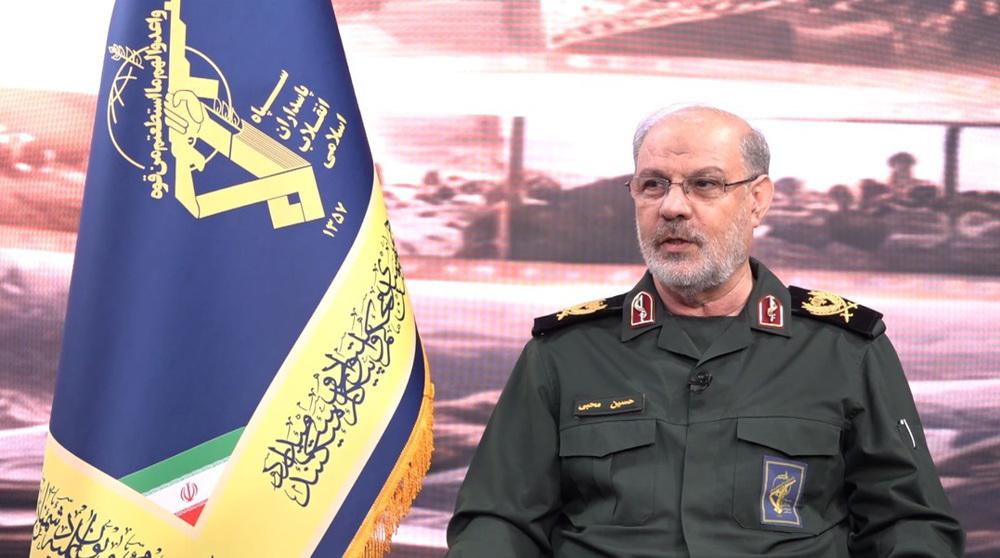
Iran’s counterproposal reportedly demanded an end to the U.S. naval blockade, compensation for wartime damages, sanctions relief, and guarantees against future attacks. Tehran also reaffirmed its position over sovereignty in the Strait of Hormuz, one of the world’s most critical energy shipping corridors.
Iranian Foreign Ministry spokesperson Esmaeil Baghaei defended the demands, saying Tehran was seeking an end to what he called U.S. “blockade and piracy” and the release of Iranian financial assets frozen abroad under American pressure.
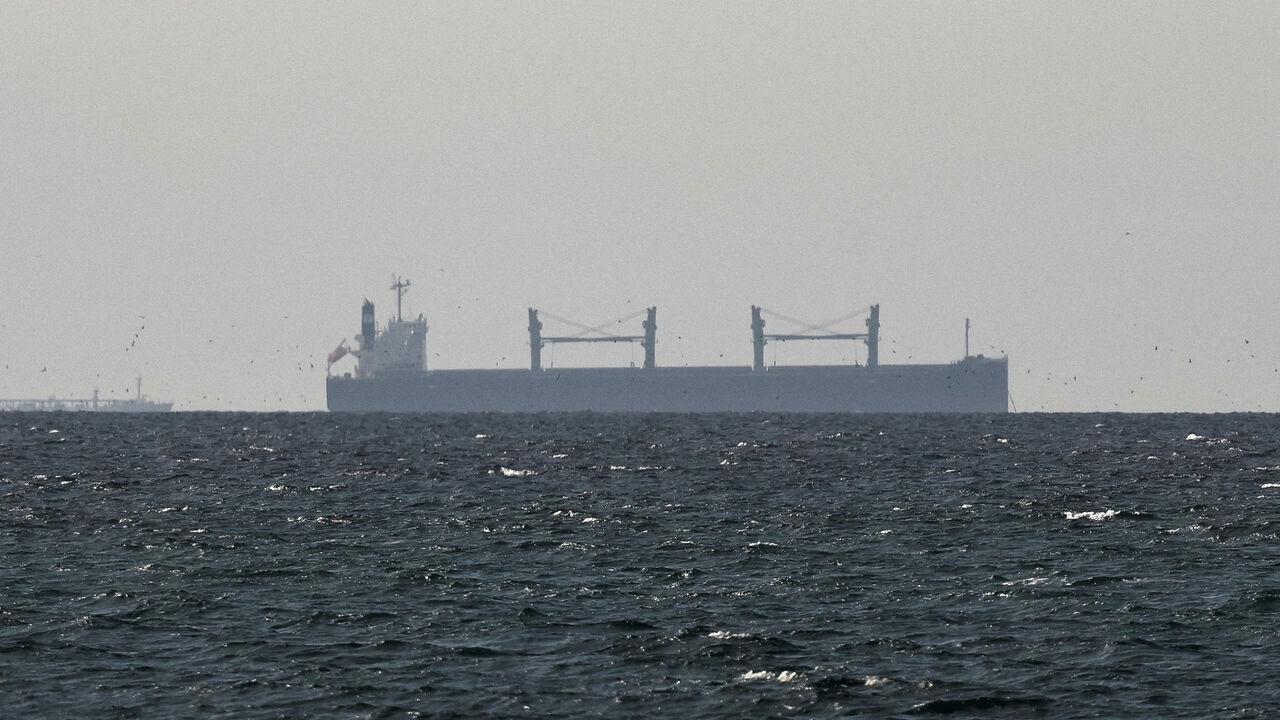
The diplomatic deadlock has deepened fears of renewed military escalation in the Gulf, where shipping traffic through the Strait of Hormuz remains severely disrupted. The waterway, which normally carries roughly one-fifth of global oil and liquefied natural gas supplies, has become the central flashpoint of the conflict.
Oil prices climbed sharply following Trump’s remarks, while shipping data cited by Reuters showed only a small number of tankers successfully crossing the strait in recent days, with some vessels reportedly disabling tracking systems amid fears of attacks.
The crisis is also fueling political pressure inside the United States as rising fuel prices hit consumers ahead of congressional elections later this year. Washington has meanwhile struggled to build international backing for military efforts to secure Gulf shipping routes, with NATO allies reluctant to intervene without a comprehensive peace agreement.
Regional diplomacy has intensified amid fears the ceasefire could collapse entirely. Turkey’s Foreign Minister Hakan Fidan is expected to hold talks in Qatar on Tuesday focused on the conflict and maritime security in the Strait of Hormuz.
Trump is also expected to travel to Beijing later this week, where discussions with Chinese President Xi Jinping are likely to include the Iran crisis. Washington has been pressing China to use its influence to push Tehran toward a settlement.
Despite the ceasefire announced in April, hostilities across the region have continued. Israeli Prime Minister Benjamin Netanyahu said operations against Iran-linked threats were not over, while clashes between Israeli forces and Hezbollah fighters have persisted in southern Lebanon.