Russia and China vetoed a United Nations Security Council resolution Tuesday seeking to reopen the Strait of Hormuz, exposing deep divisions over maritime security and escalating regional tensions.
The draft, prepared by Bahrain and backed by the United States, received eleven votes in favour, two against, and two abstentions, falling short after vetoes halted adoption.
Gulf states expressed disappointment, with Bahrain’s Foreign Minister Abdullatif bin Rashid Al Zayani warning the failed resolution sent a troubling message about protecting international waterways.
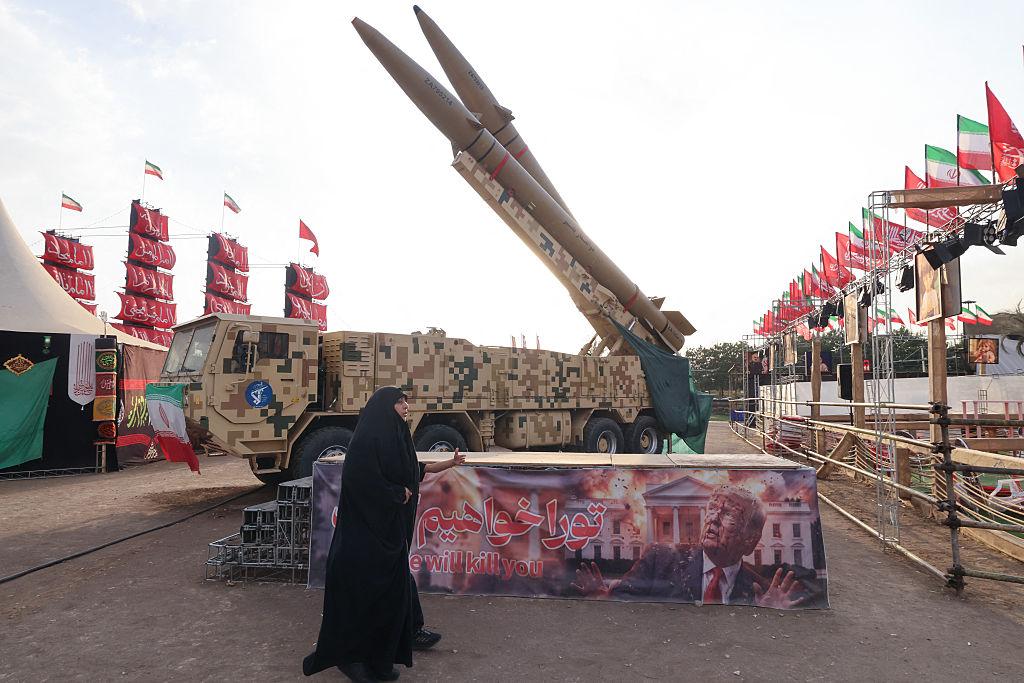
Iran has effectively blockaded the vital shipping lane since February 28, when war erupted following military action launched by the United States and Israel.
The disruption has shaken global markets, as the narrow strait normally carries roughly one fifth of the world’s oil shipments across restless seas.
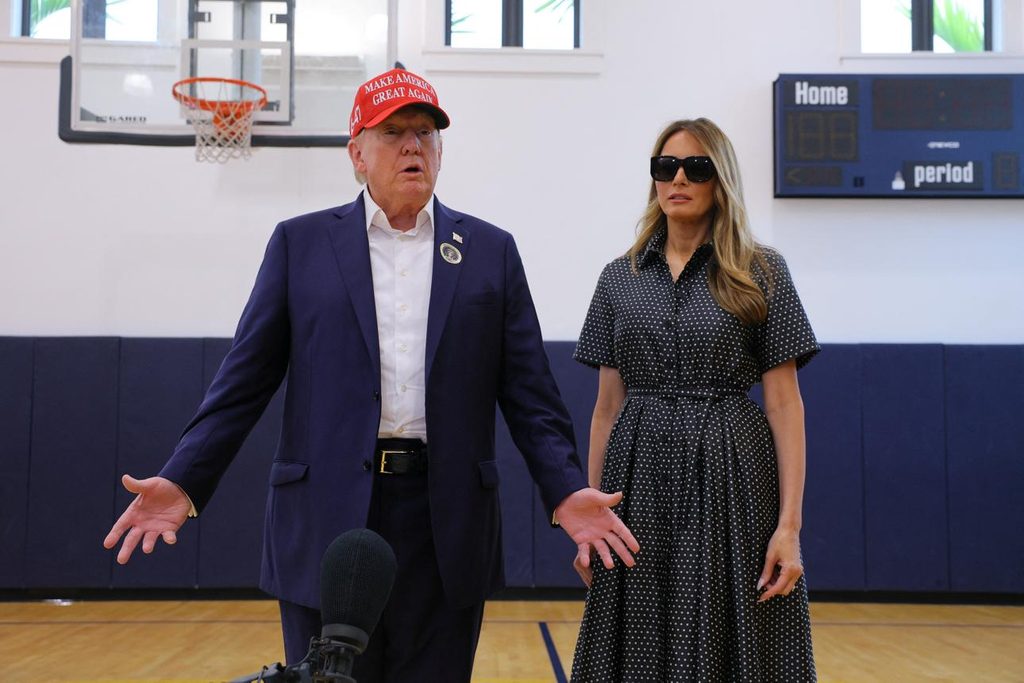
The Security Council vote unfolded hours before a deadline set by US President Donald Trump demanding Tehran reopen the passage or face severe consequences.
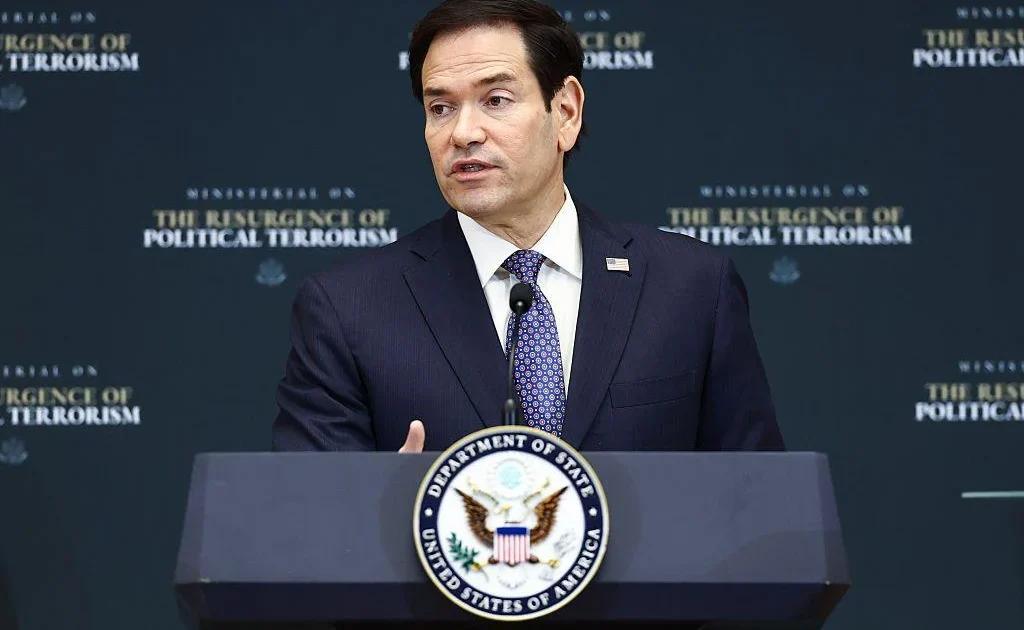
US ambassador Mike Waltz said the outcome would not limit Washington’s right to act in self-defence or protect allied nations facing growing regional threats.
Iran’s UN ambassador Amir Saeid Iravani condemned the resolution, arguing it punished a country defending sovereignty and risked legitimising unlawful military escalation.
Negotiations lasting two weeks significantly weakened the draft, as objections from veto powers forced repeated revisions and removed any explicit authorisation to use force.
The final version merely encouraged defensive coordination among states to safeguard commercial vessels and demanded Iran cease attacks against merchant shipping and infrastructure.
Russian ambassador Vassili Nebenzia justified Moscow’s veto, describing the text as unbalanced and confrontational despite acknowledging concerns over safe navigation through the strait.
Russia and China signalled plans to introduce an alternative proposal urging all parties to halt attacks on civilians and infrastructure without directly naming Iran.
Diplomats left the chamber facing uncertainty, as diplomatic paralysis mirrored the blocked waterway itself, with global stability drifting between negotiation and confrontation.