The European Union has firmly rejected Iran’s proposal to impose transit fees on vessels passing through the Strait of Hormuz, stressing that freedom of navigation is a fundamental principle of international law.
EU spokesperson Anouar El Anouni said international law guarantees free navigation and prohibits the imposition of any payments or charges on ships transiting international waterways.
“The Strait of Hormuz is an open maritime passage that serves the collective interest of humanity,” he said, adding that navigation must remain “free and unrestricted.”
French Foreign Minister Jean-Noël Barrot also condemned the proposal, calling it “unacceptable” and a “clear violation” of international law.
Speaking to France Inter radio, Barrot said the right of passage through international waters is a public right that cannot be restricted.
France’s Armed Forces Minister Catherine Vautrin said Paris was not currently planning to deploy frigates to secure the waterway, but is coordinating with 17 countries on a maritime transit plan.
She added that the situation on the ground remains unclear, including whether the strait has been mined, noting that “nothing can be ruled out” regarding potential French participation in mine-clearing operations.
Vautrin said the goal is to reach a sustained ceasefire, ensure the area is free of mines, and enable safe passage for vessels, potentially including escorted transit in the future.
Italian Prime Minister Giorgia Meloni said restoring navigation through the strait is a vital interest for both Italy and the EU.
Addressing parliament, Meloni warned that disruptions in the strait — through which roughly one-fifth of global oil and gas supplies pass — would have direct consequences for energy prices and global supply chains.
She added that imposing additional fees on ships could trigger economic fallout and shifts in global trade flows, noting that Italy is working within a British-led coalition of more than 30 countries to restore full maritime security.
Meloni also criticised violations of the recently announced two-week ceasefire between the United States and Iran, calling for it to be consolidated into a sustainable de-escalation framework. She reiterated her opposition to Washington’s decision to launch the war on Iran, despite domestic criticism accusing her of aligning too closely with the United States.
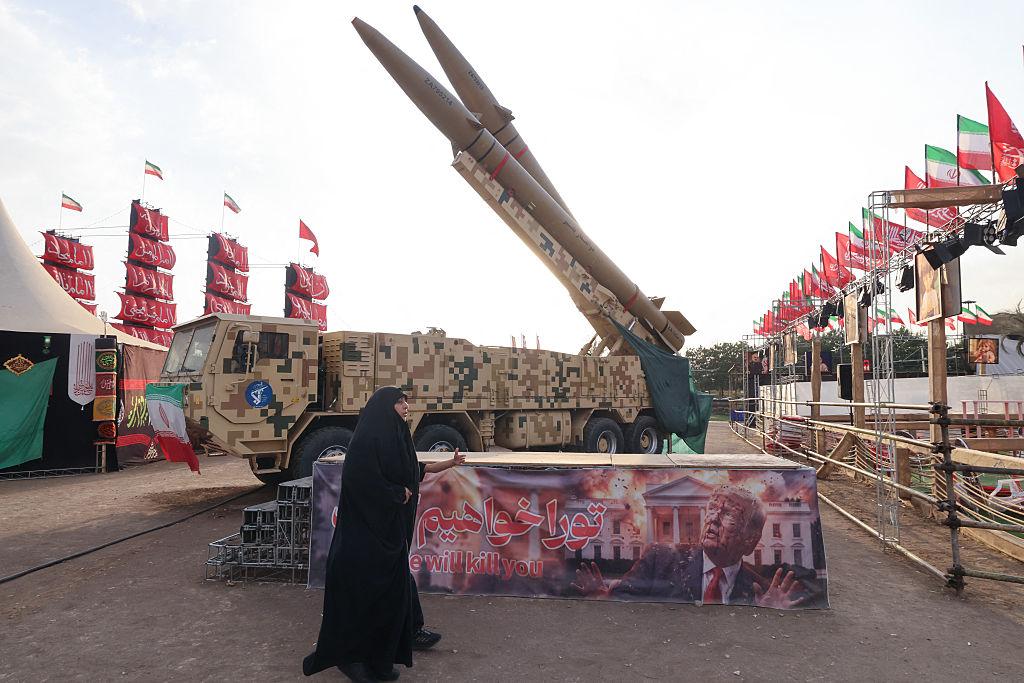
Meanwhile, Iran has said it intends to impose transit fees on oil tankers passing through the strait, even during the temporary truce, requiring payments to be made in cryptocurrencies and subjecting vessels to strict inspections.
Hamid Hosseini, spokesperson for Iran’s oil, gas and petrochemical exporters union, told the Financial Times that all tankers would be assessed individually, with the aim of monitoring traffic and preventing the movement of weapons during the ceasefire.
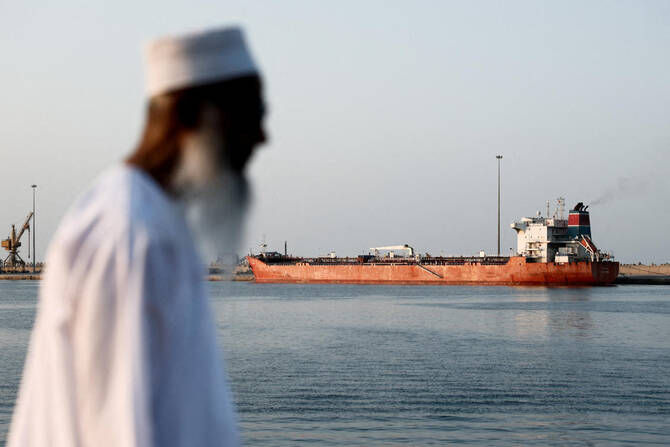
Tensions in the region have escalated since the outbreak of war on February 28, disrupting shipping through the strait, which lies between Iran and Oman.
U.S. President Donald Trump announced a two-week ceasefire via Truth Social, conditioning it on reopening the strait to international shipping.
Shipping data from MarineTraffic shows hundreds of vessels remain stranded near the waterway, including oil and gas carriers, unable to resume journeys. United Nations estimates indicate around 2,000 ships and 20,000 seafarers are currently stuck in the Gulf amid the disruption.