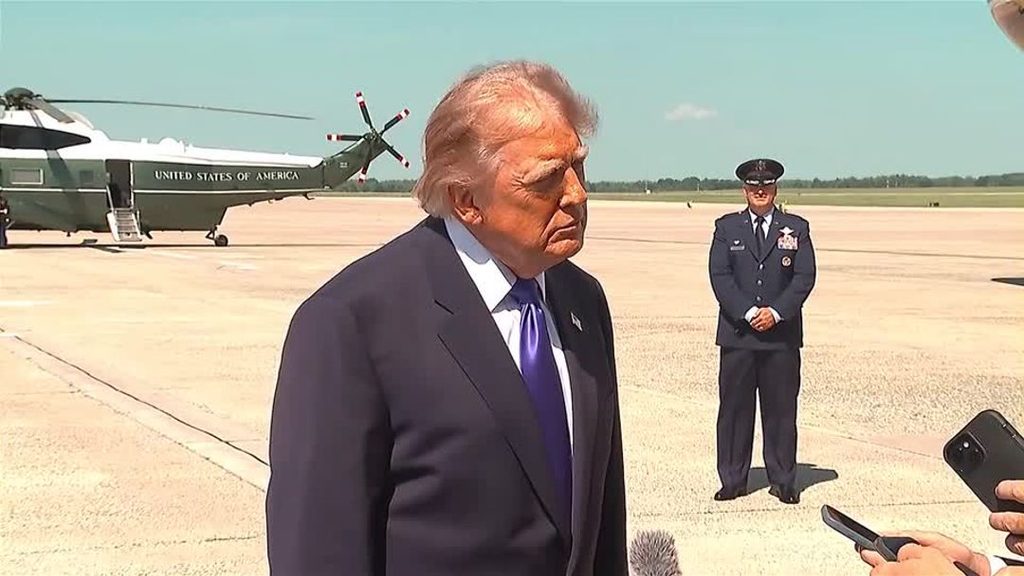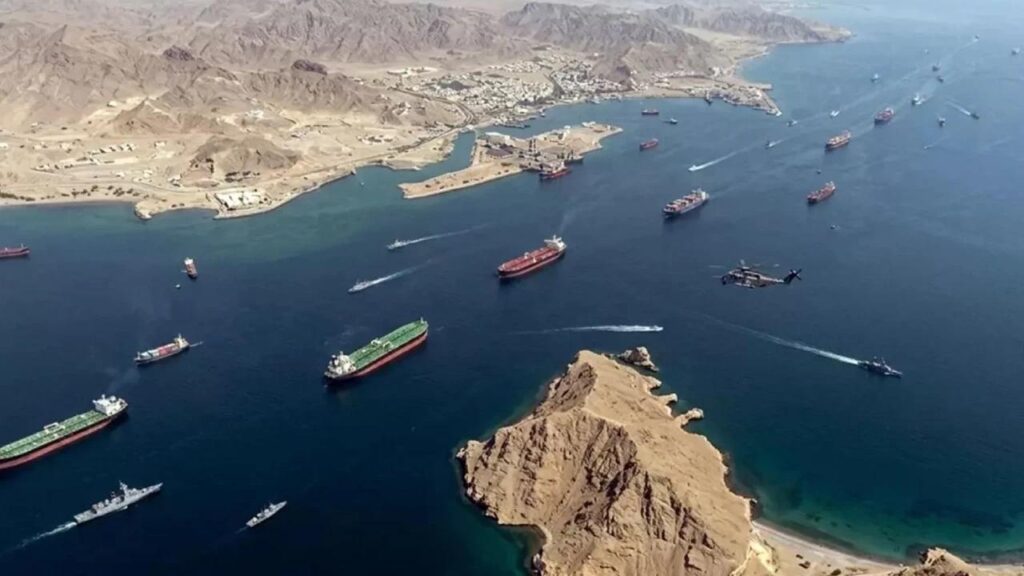
A vessel was reportedly seized off the coast of the United Arab Emirates on Thursday and was being steered toward Iranian waters, according to a British maritime security agency, as US President Donald Trump and Chinese President Xi Jinping met in Beijing to discuss the Iran war and regional tensions.
Following the summit, a White House official said Trump and Xi agreed that the Strait of Hormuz must remain open and that Iran should never be allowed to obtain a nuclear weapon.
China remains Iran’s closest economic partner and the largest buyer of Iranian oil. Since the outbreak of the US-Israeli war against Iran on Feb. 28, Tehran has largely restricted shipping through the Strait of Hormuz except for vessels operating under Iranian terms, triggering one of the most severe disruptions to global energy markets in modern history.
Washington halted its bombing campaign against Iran last month but intensified pressure through a naval blockade targeting Iranian ports.
Diplomatic efforts to end the conflict remain stalled after Tehran and Washington rejected each other’s latest proposals last week.
Speaking to CNBC in Beijing, US Treasury Secretary Scott Bessent said he believed China would “do what they can” to help reopen the strategic waterway, noting that keeping the strait operational was “very much in their interest.” Before the war, roughly one-fifth of global oil and liquefied natural gas supplies passed through the Strait of Hormuz.
The latest maritime incidents have heightened fears over regional shipping security.
An Indian cargo vessel transporting livestock from Africa to the UAE sank off the coast of Oman after what security firm Vanguard described as a missile or drone strike that caused an explosion. India condemned the attack and said all 14 crew members were rescued by the Omani coastguard.
Separately, the UK Maritime Trade Operations agency (UKMTO) reported that “unauthorised personnel” boarded another vessel anchored near the UAE port of Fujairah and redirected it toward Iran. Vanguard later said the ship had allegedly been taken by Iranian personnel while at anchor.
Fujairah is strategically significant as the UAE’s only oil export terminal located outside the Strait of Hormuz, allowing some shipments to bypass the chokepoint entirely. Iran recently included waters near Fujairah on an expanded maritime map claiming broader regional control.
Despite the tensions, Tehran appears to be selectively allowing some international vessels through the strait under negotiated arrangements.
A Japanese tanker crossed the waterway on Wednesday after Tokyo reportedly sought assistance from the Iranian president, while Iranian media said a separate agreement had been reached to permit some Chinese ships to pass safely.
Iran’s Revolutionary Guards claimed 30 vessels crossed the strait since Wednesday evening — a notable increase from recent weeks, though still well below the roughly 140 ships that transited daily before the war. Shipping analytics firm Kpler estimated around 10 vessels had crossed in the past 24 hours.
Iranian judiciary spokesperson Asghar Jahangir defended the seizure of what he called “US tankers,” saying the actions were being carried out under both Iranian and international law.
Meanwhile, Lebanese and Israeli envoys were meeting US officials in Washington on Thursday in an effort to contain the widening regional conflict, which has already reignited fighting between Israel and the Iran-backed Hezbollah group in Lebanon.
A senior US military official told lawmakers that Iran’s military capabilities had been severely weakened by the war.
“Iran has a significantly degraded threat, and they no longer threaten regional partners or the United States in ways that they were able to do before,” Admiral Brad Cooper told a Senate committee.
However, Cooper declined to directly address reports suggesting Iran still retains substantial missile and drone stockpiles in underground facilities.
Washington continues to demand that Tehran surrender its enriched uranium stockpile and permanently halt uranium enrichment, while Iran is seeking sanctions relief, compensation for war damages and recognition of its control over the Strait of Hormuz as part of any future agreement.