A study published in the Science journal reports a significant surge in violence across Africa following the dissolution of the U.S. Agency for International Development.
The research indicates that the abrupt withdrawal of approximately $60 billion in funding has destabilized several fragile regions previously dependent on American support.
While the authors clarify that aid itself does not always prevent conflict, they argue that sudden disruptions create dangerous vacuums in vulnerable settings.
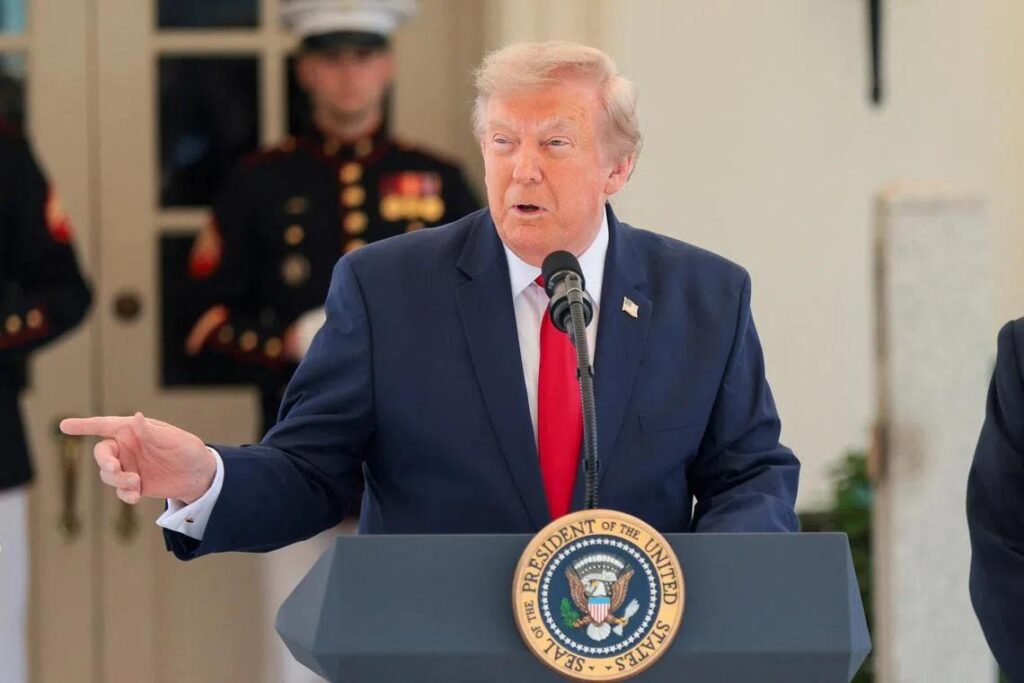
The Trump administration’s decision last year eliminated over 90% of foreign aid contracts, causing an immediate cessation of critical staffing and procurement.
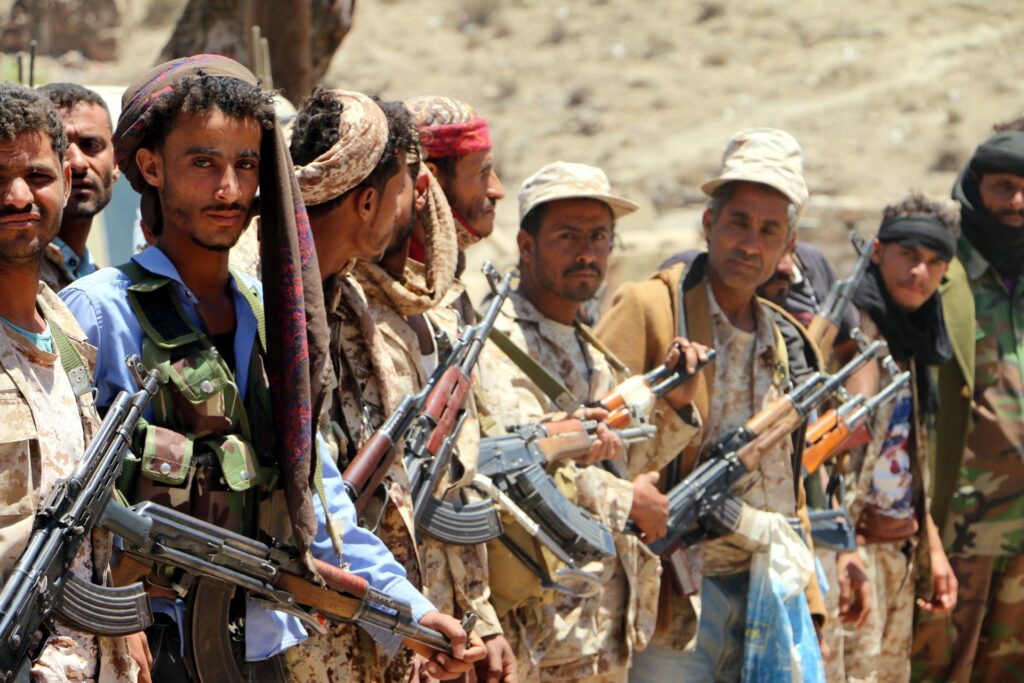
Geopolitically, the absence of these resources has coincided with a rising tide of militant activity that now threatens the continent more than any other region.
In Nigeria, the loss of funding has hampered efforts to assist victims of Boko Haram, a militant group that has plagued the area for decades.
The fragile Tigray region of Ethiopia also faces a stalled recovery, as officials there relied heavily on U.S. capital to rebuild after a devastating war.
In the Ivory Coast, the withdrawal of financial commitments has weakened the front line of the global struggle against al-Qaida and the Islamic State.
Experts suggest that even if funding were restored, the institutional experience and specialized knowledge lost during the shutdown cannot be easily replaced.
The cessation of these programs has likely enabled the spillover of insurgencies into neighboring territories, leaving local communities exposed to escalating extremist threats.
The ongoing violence serves as a grim indicator of the unintended consequences stemming from the rapid dismantling of long-standing international development frameworks.