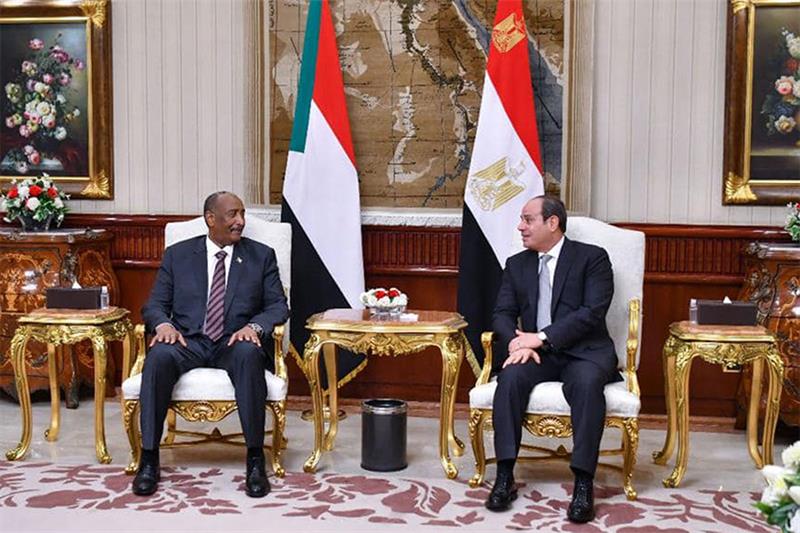
An Ethiopian news outlet has accused Egypt of helping prolong Sudan’s war in order to preserve its regional influence and prevent Khartoum from moving outside Cairo’s orbit.
The report, cited by Sudanese media, claimed that a stable and politically independent Sudan would weaken one of Egypt’s key strategic cards in the region, particularly its ability to shape Sudan’s political and economic direction.
It alleged that Egypt has publicly presented itself as a supporter of Sudan’s unity and stability while, behind the scenes, backing narratives of division and indirectly contributing to the continuation of the war.
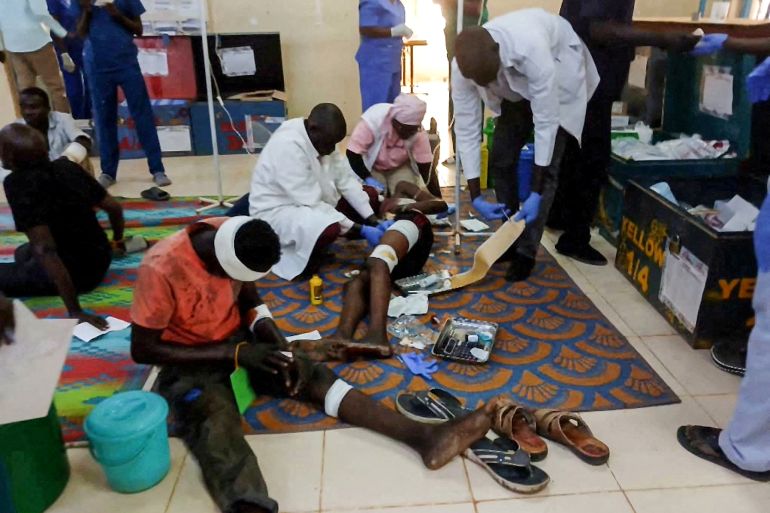
The report also accused Cairo of bearing moral responsibility for the humanitarian fallout of the conflict, including mass displacement, refugee flows and the suffering of millions of Sudanese inside and outside the country.
According to the report, Egypt viewed an independent Sudan as a threat to its long-standing leverage over Sudanese affairs, including access to resources and influence over decision-making.
“Sudan’s stability outside Egyptian guardianship would have meant the fall of an important strategic pressure card for Cairo,” the report said, accusing Egypt of supporting the discourse of war and division while claiming publicly to defend Sudan’s unity.
The report further described Egypt as a “key partner” in the bloodshed, holding it morally responsible for the deaths and displacement caused by the war.
The claims come amid growing regional tensions over Sudan’s conflict, with neighboring states accused by rival Sudanese factions and media outlets of backing competing military and political actors.
Egypt has repeatedly said it supports Sudan’s sovereignty, unity and territorial integrity, while maintaining ties with General al-Burhan’s army. Cairo has also hosted Sudanese refugees and political meetings linked to efforts to address the crisis.
The war in Sudan has created one of the world’s largest displacement crises, forcing millions from their homes and deepening regional competition over the country’s future.