The Muslim Brotherhood in Sudan is entering a more complex phase following increased US counterterrorism scrutiny linked to national security concerns.
The development is seen as limiting the organisation’s domestic and international manoeuvrability, while also exposing it to growing legal and financial pressures that are reshaping the country’s political balance.
African affairs expert Nourhan Sharara said being brought into the US national security framework represents a significant setback, placing the group under tighter scrutiny.
She noted that Washington’s approach targets public perception, restricts funding channels and limits communication networks, forcing affected entities to operate under heightened legal and security constraints.
According to Sharara, the classification also reduces the organisation’s ability to rebrand through alternative names or affiliated structures.
The measures extend across organisational, financial and military-linked networks, restricting the movement of both funds and individuals.
Analyst Mohamed Nabil al-Bandari said the US shift is linked to reported connections between Sudan’s Muslim Brotherhood and Iran’s Islamic Revolutionary Guard Corps.
He warned that Sudan’s ongoing war risks becoming a convergence point for armed ideological groups and sanctioned regional actors.
Al-Bandari added that the designation reflects concerns that the conflict could enable the formation of funding networks and expand external influence.
He also pointed to fears that extremist groups across the wider Horn of Africa could exploit power vacuums created by the war.
The shift, analysts say, further isolates local actors linked to the Muslim Brotherhood and places their alliances under increased international scrutiny amid Sudan’s protracted conflict.
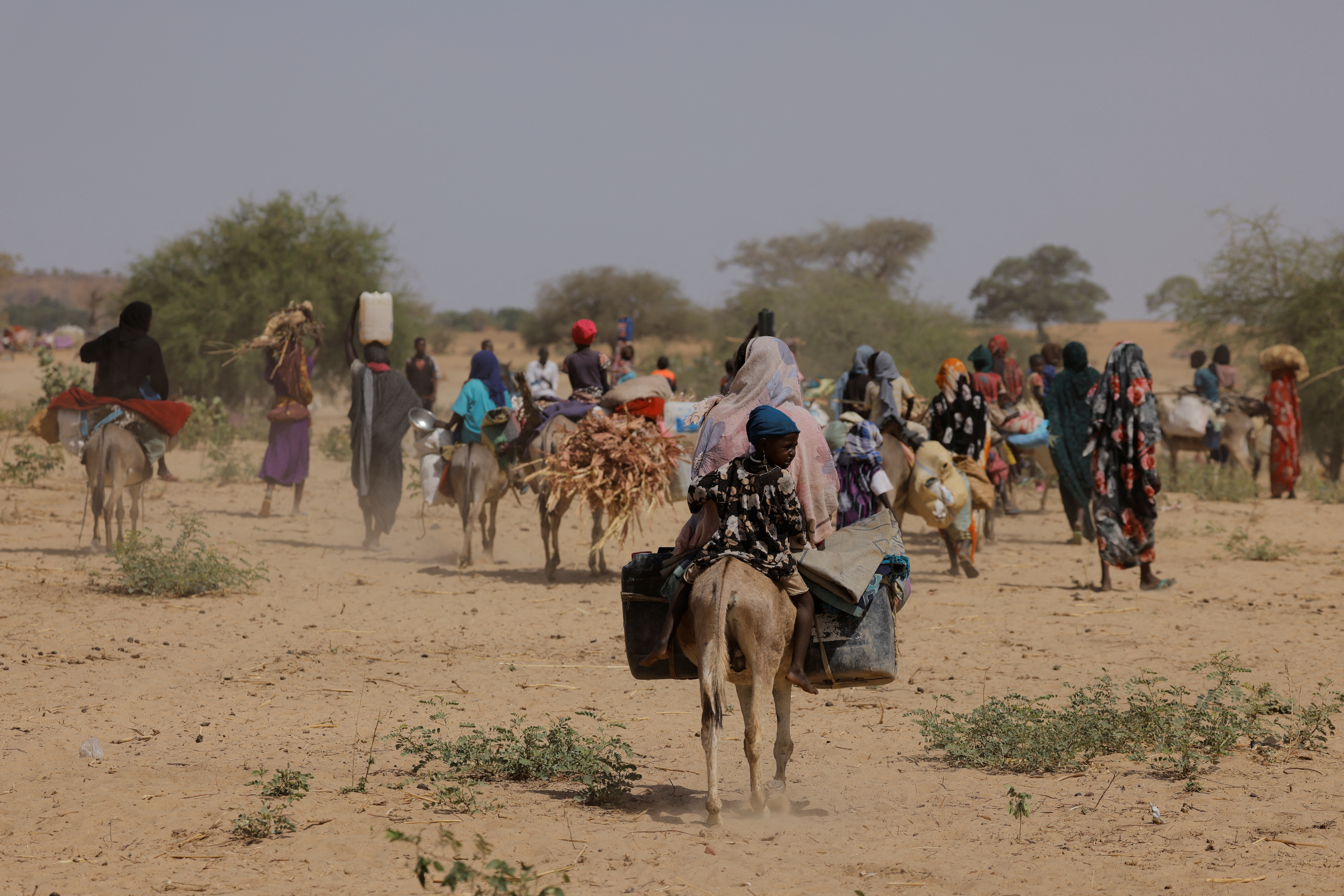
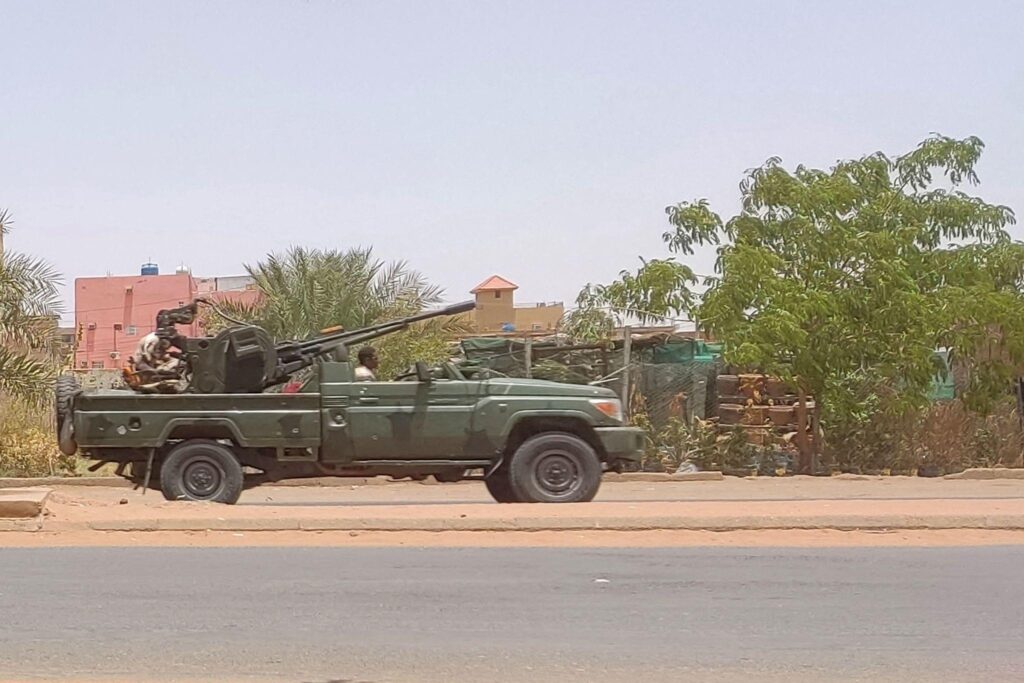
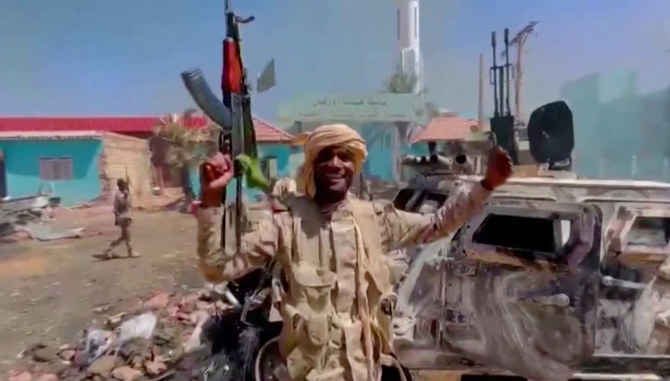
Meanwhile, fighting continues across key agricultural and strategic areas, including Kordofan and Darfur, as clashes persist between General Abdel Fattah al-Burhan’s army and the Rapid Support Forces.