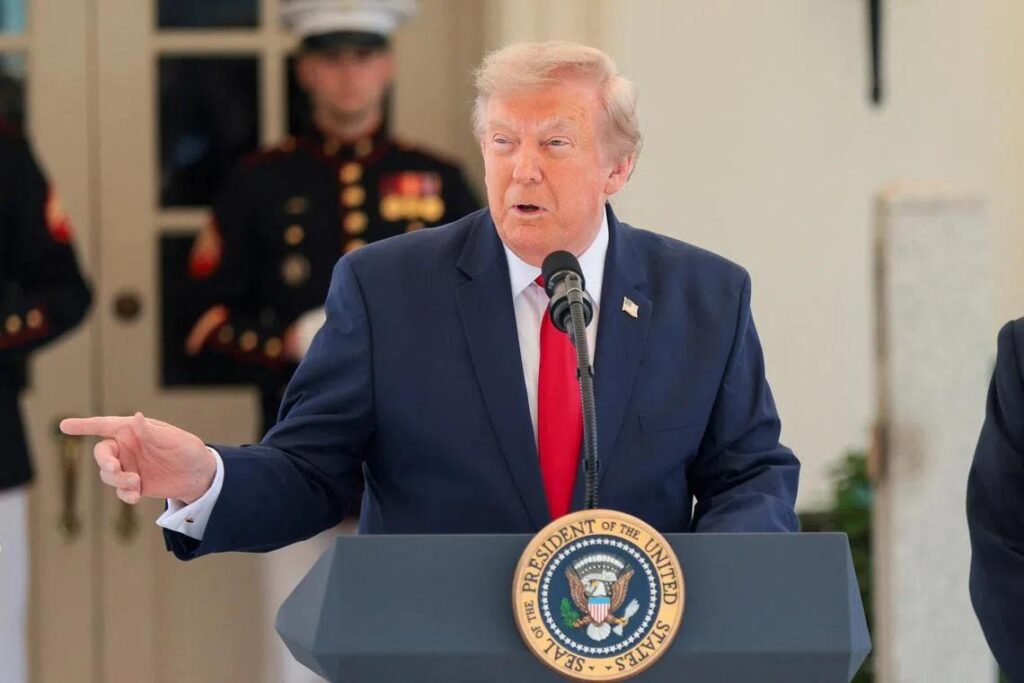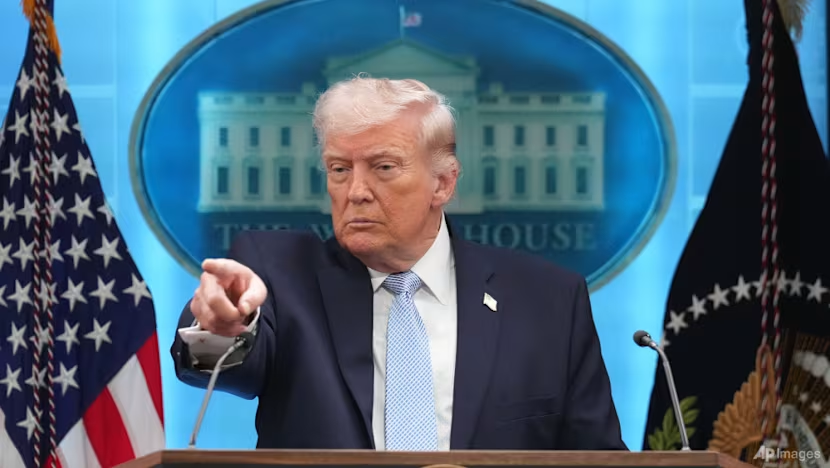
United States President Donald Trump convened an emergency Situation Room meeting this Friday to finalize a proposed Middle East peace deal.
The multi-part agreement aims to end a devastating conflict that has severely disrupted the global economy and energy markets.
Trump announced that the United States is prepared to lift its unprecedented naval blockade on vital Iranian ports.
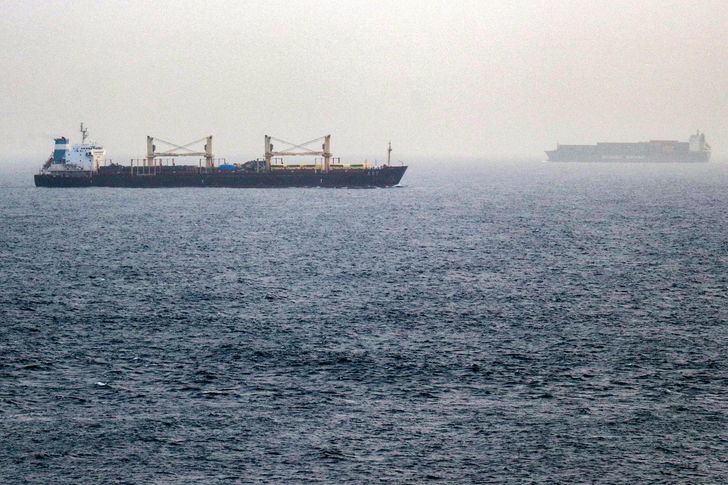
In exchange, he demanded that Iran permanently abandon nuclear weapon ambitions and unconditionally reopen the critical Strait of Hormuz.
The American leader declared that international shipping must pass through the crucial waterway without facing any commercial tolls.
Tehran immediately rejected these top-down mandates, insisting that a final, binding agreement has not yet been reached.
Iran’s semi-official Fars news agency sharply criticized Trump’s public characterization of the deal as a mixture of truth and lies.
Iranian sources denied committing to a toll-free waterway or allowing the United States to destroy its enriched uranium stockpiles.
They emphasized that any future reopening of the strait would remain entirely subject to Iran’s own security arrangements.
Furthermore, Tehran is demanding the immediate release of 12 billion dollars in frozen assets before proceeding with negotiations.
The draft proposal reportedly links further progress to a comprehensive ceasefire in Lebanon matching the position of Hezbollah.
Israel has simultaneously intensified its military operations, pushing ground forces deeper across the Litani River into sovereign Lebanese territory.
As diplomats trade conflicting narratives, the global community waits to see if actions will finally replace the rhetoric of war.