Darfur’s long-running tribal conflicts have been intensified by systematic interference from Sudan’s Islamic Movement, which used tribal structures as part of its political and security project, according to observers and researchers.
The conflicts in western Sudan have roots stretching back decades, but analysts say the 1989 coup led by Omar al-Bashir and the Islamic Movement marked a major turning point. Under Islamist rule, tribal identity was increasingly politicized, while traditional leaders were drawn into networks of political loyalty and influence.
Researchers say the former regime relied heavily on native administration leaders to mobilize support, manage local disputes and secure loyalty in exchange for access to power, resources and official positions. This helped transform some tribal institutions from social structures into political tools.
Academic studies and political analysts have described the policy as a form of “divide and rule,” arguing that it deepened tribal divisions and turned local disputes over land, resources and leadership into wider political and ethnic confrontations.
Several Sudanese political and military actors, including the Coordination of Civil Democratic Forces, known as Taqaddum, and advisers to the Rapid Support Forces, have accused the Islamic Movement of attempting to turn Sudan’s current war into a tribal and ethnic conflict.
Taqaddum has warned that the Islamists are seeking to reproduce the same strategy they used during their three decades in power, accusing them of arming tribes, spreading hate speech and encouraging racism in ways that damaged Sudan’s social fabric.
An RSF adviser has also accused the Islamic Movement of stirring tensions inside Darfur communities in order to undermine trust between social groups and mobilize hardline tribal elements. Observers say the strategy is aimed at reshaping the war into a broader ethnic confrontation as part of an attempt by Islamists to regain political influence.
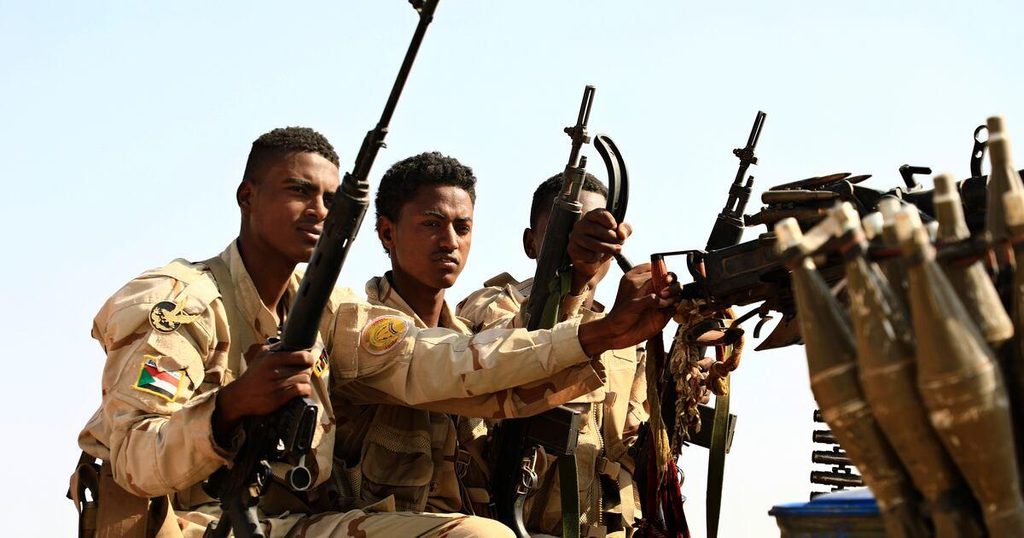
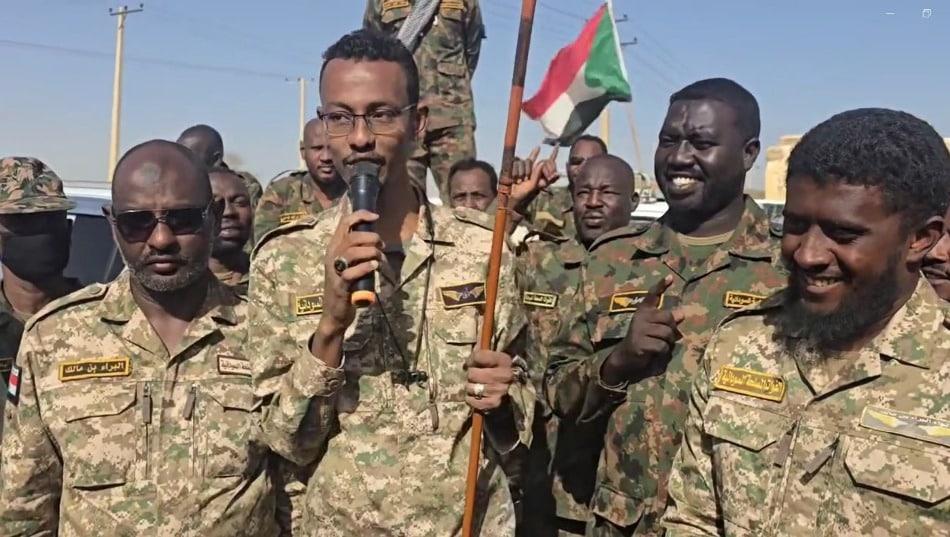
Reports have also linked Islamist-aligned armed groups fighting alongside General al-Burhan’s SAF to abuses carried out on tribal and ethnic grounds in Darfur. The Al-Baraa Ibn Malik Brigade, widely associated with Islamist networks, has been accused of involvement in serious violations, including mass executions.
Recent allegations have also accused elements linked to military intelligence of seeking to inflame tensions in El Fasher by turning the conflict into a confrontation between Arab tribes and the Zaghawa. In December 2025, claims also emerged of a plot by SAF-linked agents to ignite tribal violence in Fasi village in Central Darfur.
Analysts say the Islamist approach in Darfur has relied on three main tools: inflammatory media campaigns that spread hatred and tribal division; exclusionary political practices that deny communities fair access to power and resources; and the exploitation of humanitarian and economic crises to recruit marginalized youth into armed groups.
These policies, critics say, have turned poverty and displacement into instruments of mobilization, pushing young people into militias instead of offering development, jobs or stability.
Observers argue that the Islamic Movement’s role in Darfur has contributed to the collapse of trust between communities, the militarization of tribal identity and the expansion of local conflicts into wider political violence.
The result has been a deepening humanitarian crisis, mass displacement and a torn social fabric, with Darfur once again becoming the center of a dangerous struggle for power carried out through ethnic and tribal divisions.