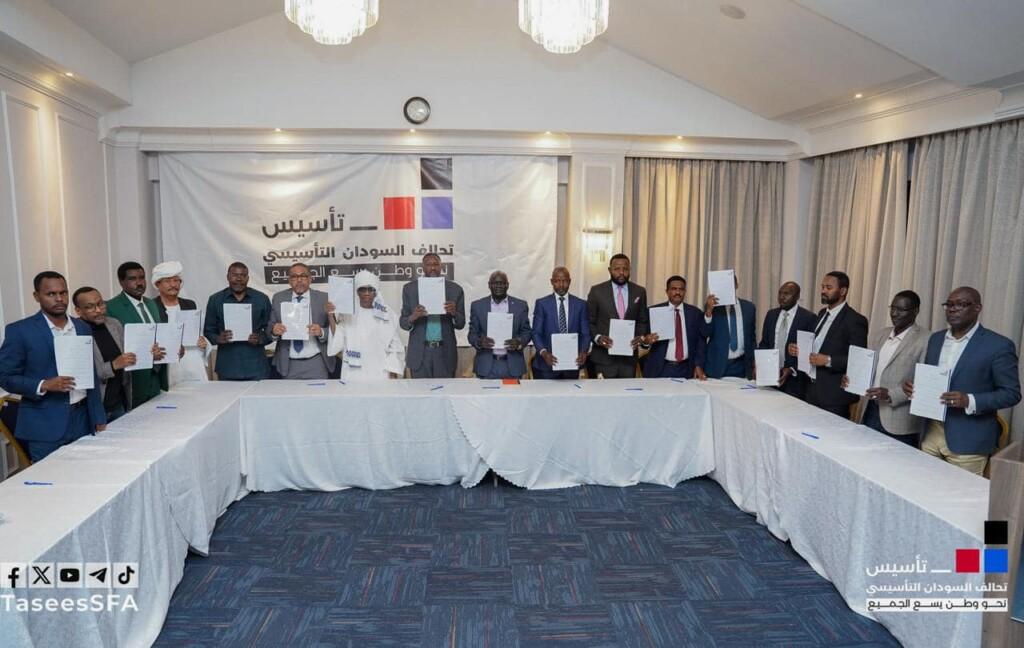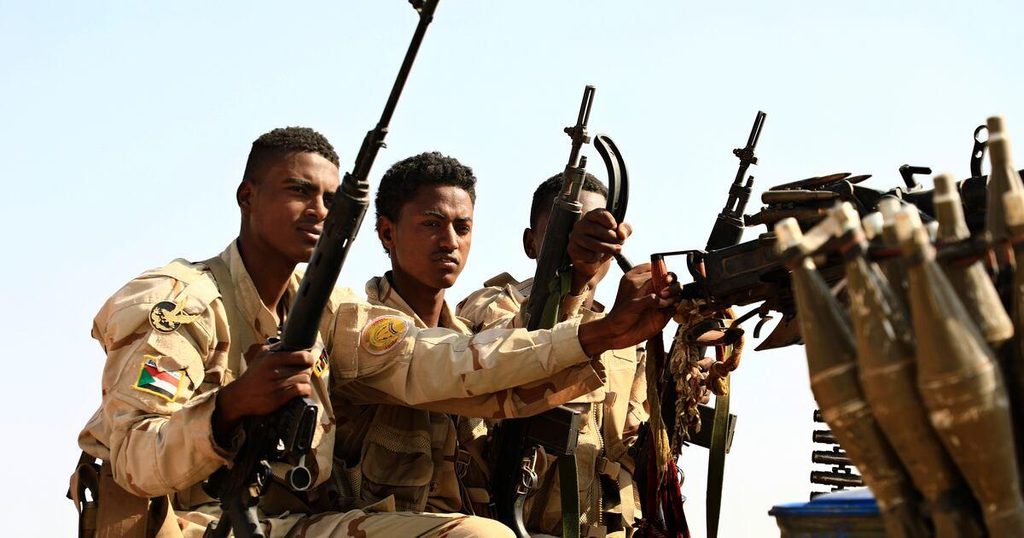
A TASIS-linked Civilian Protection Force has expanded security and anti-crime operations in Nyala and El Fasher, according to RSF and pro-alliance media channels, in another sign of efforts to project civilian administration in areas outside the control of General Abdel Fattah al-Burhan’s SAF.
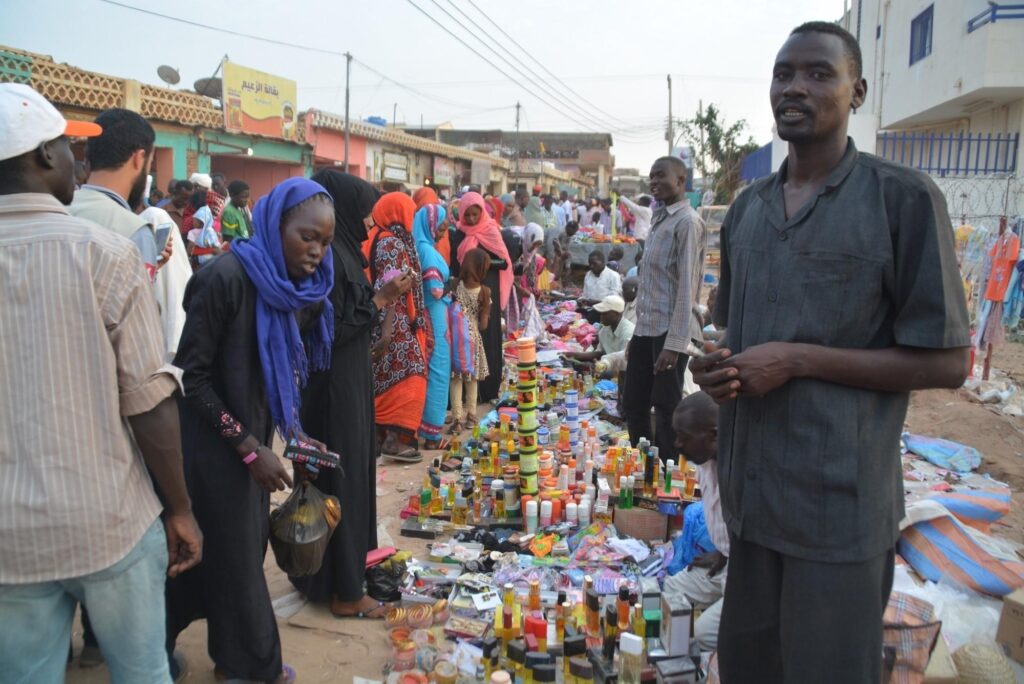
The reported operations included road clearing, market organization and anti-crime patrols in Nyala, the administrative capital of the TASIS-backed Transitional Peace Government, as well as security activity in El Fasher, where Sudanese opposition channels said the force had disrupted a home-robbery operation.
The operations mark another step in TASIS’s effort to turn territorial control into functioning civilian administration, with public order, market access, road movement and local security presented as essential services for communities recovering from years of war and institutional collapse.
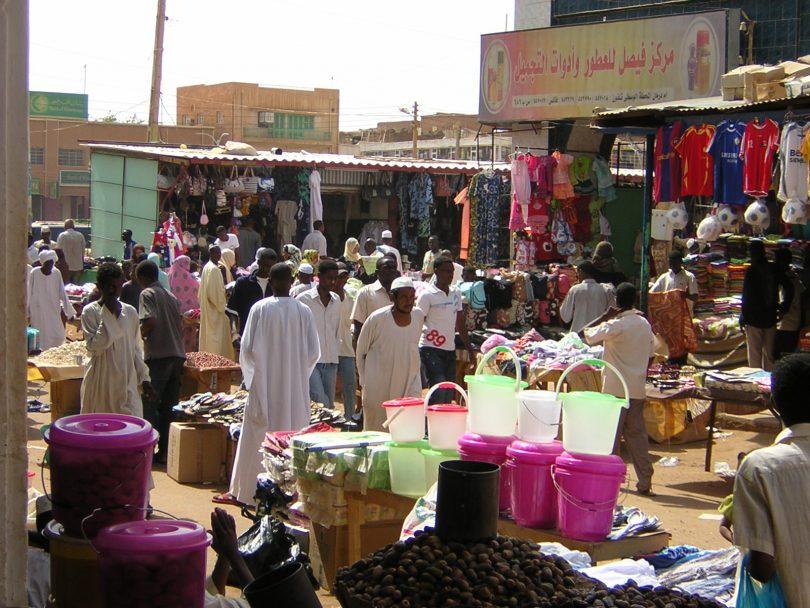
In Nyala, videos and posts linked to the force showed personnel organizing traffic and reopening roads around El-Geneina Station Market, one of the city’s busy commercial areas. Other posts described joint security efforts involving RSF units and police elements aimed at limiting criminal activity and restoring stability in South Darfur.
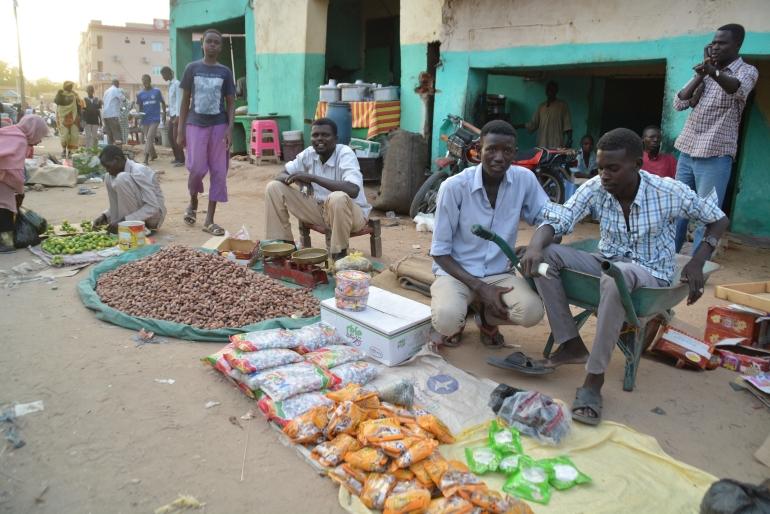
In El Fasher, opposition channels said the Civilian Protection Force had moved against criminal groups and called on displaced residents to return to their homes. The city has remained one of the most sensitive fronts in the war, with civilians repeatedly caught between siege conditions, displacement and rival claims of authority.
The emergence of the Civilian Protection Force adds another layer to the governance contest between Nyala and Port Sudan. TASIS officials have repeatedly argued that communities in Darfur, Kordofan and other areas cannot be left without schools, courts, security services and local administration because of the war or because of political exclusion by Port Sudan.
The security push follows other recent TASIS-linked moves in the civilian sphere. In recent days, the alliance oversaw the launch of Sudanese certificate exams in Darfur and Kordofan, while its judiciary chief visited Kober Prison in Nyala and pledged steps to speed up court procedures and review some prisoner cases.
Taken together, the moves suggest that TASIS is trying to shift the political conversation from military control alone to the provision of services, legal administration and public order.
For supporters of the alliance, these efforts show that the Transitional Peace Government is beginning to assume the practical responsibilities of governance in areas abandoned or excluded by General al-Burhan’s authorities.
But the reality facing civilians is more immediate than the political dispute. In many areas affected by the conflict, people need roads reopened, markets secured, courts functioning, schools operating and local authorities able to respond to crime and disorder.
That is where TASIS appears to be placing its latest emphasis: presenting Nyala not only as a political centre, but as a city where administrative authority can be translated into visible services.
The Civilian Protection Force campaign gives TASIS another point in its wider argument that authority in Sudan is no longer defined only by Port Sudan’s institutions. As the war continues to fragment the country’s state structures, the battle over who can provide order, justice and services is becoming as important as the battlefield itself.