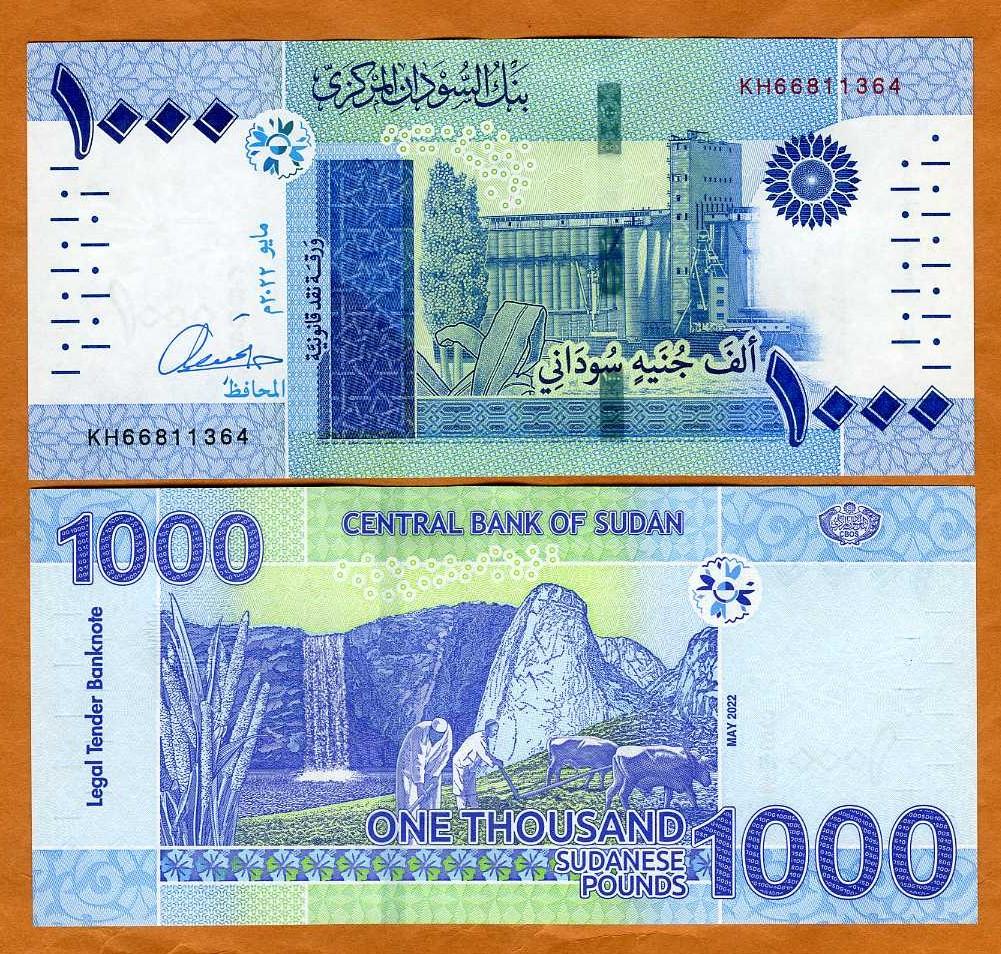
Fresh Sudanese pound notes have begun circulating in areas controlled by the Rapid Support Forces, marking a new stage in efforts by the Sudan Founding Alliance, or TASIS, to stabilize markets and restore basic financial services across areas under its administration.
The appearance of the notes follows a series of monetary steps taken by TASIS since May, including the establishment of a Transitional Currency Council and the appointment of former Sudan Central Bank governor Hussein Yahya Jangoul to lead a parallel central bank in Nyala.
The measures are aimed at managing currency circulation, regulating banking activity and addressing the severe cash shortages that have affected millions of civilians since Sudan’s war erupted in April 2023.
TASIS has said it recognizes all Sudanese banknotes issued before June 2024, while rejecting newer editions introduced by the Port Sudan-based authorities. The decision came after the SAF-backed government launched a currency replacement campaign that removed older notes from circulation and deepened the liquidity crisis in areas outside its control.
The cash shortage appears to have eased in recent weeks, with civil servants and RSF fighters reportedly receiving salaries in Sudanese pounds. Residents cited by Reuters described the notes as new and unused, although they carried a May 2022 print date and the signature of Jangoul, who served as Sudan’s central bank governor before the war.
Reuters said it could not determine the source of the notes. TASIS Prime Minister Mohamed Hassan al-Ta’aishi has not disclosed their origin, but said cash-management and liquidity measures are based on technical plans intended to stabilize markets and meet civilian needs.
Ta’aishi accused the Port Sudan authorities of using currency as a weapon of war by draining markets of cash, restricting circulation and harming civilians in areas beyond SAF control.
The Port Sudan-based central bank has not publicly commented on the reported circulation of the notes.
The move underscores TASIS’s effort to build functioning institutions in areas under its control, as Sudan’s wartime political and economic split continues to deepen.
For residents and traders in RSF-held areas, the priority has been access to usable cash after months of shortages, dependence on electronic transfers and high fees charged by informal cash brokers. New local money-transfer services have also emerged to support salary payments and commercial activity across front lines.
Economists say a parallel central bank will face obstacles in gaining international recognition, but TASIS appears to be prioritizing practical measures to keep markets operating and salaries flowing in the absence of a unified national banking system.
Sudan’s economy has deteriorated sharply since the start of the war, with the Sudanese pound falling from under 60 to the dollar before the conflict to more than 5,000 on the parallel market.