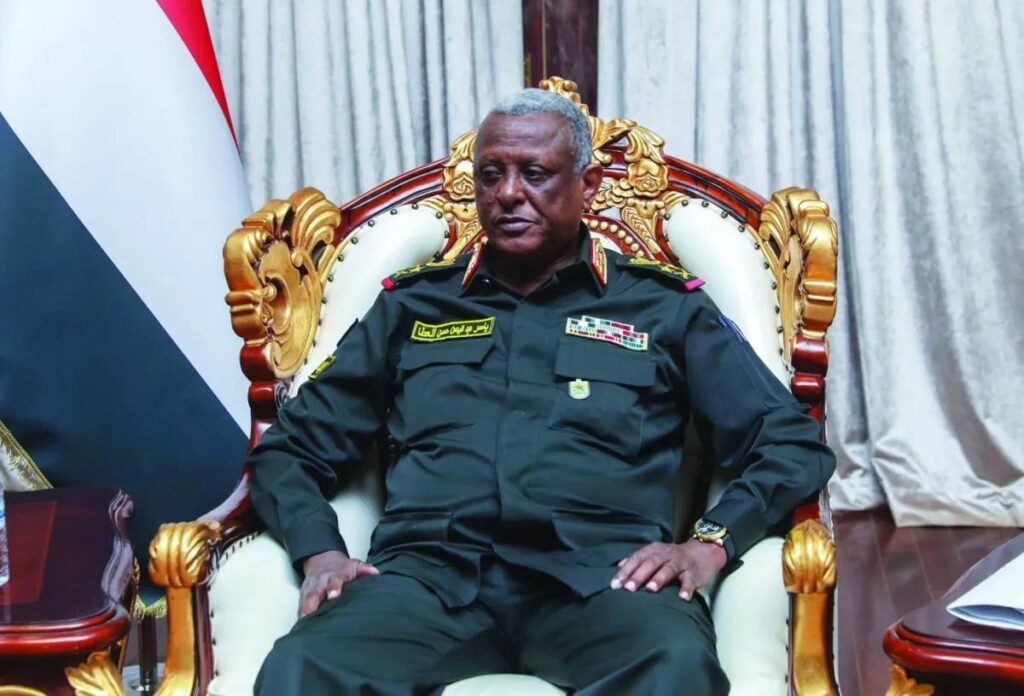
Sudan’s military leadership is undergoing another major reshuffle, raising fresh questions about the influence of Islamist networks inside the armed forces and the future direction of the war against the Rapid Support Forces.
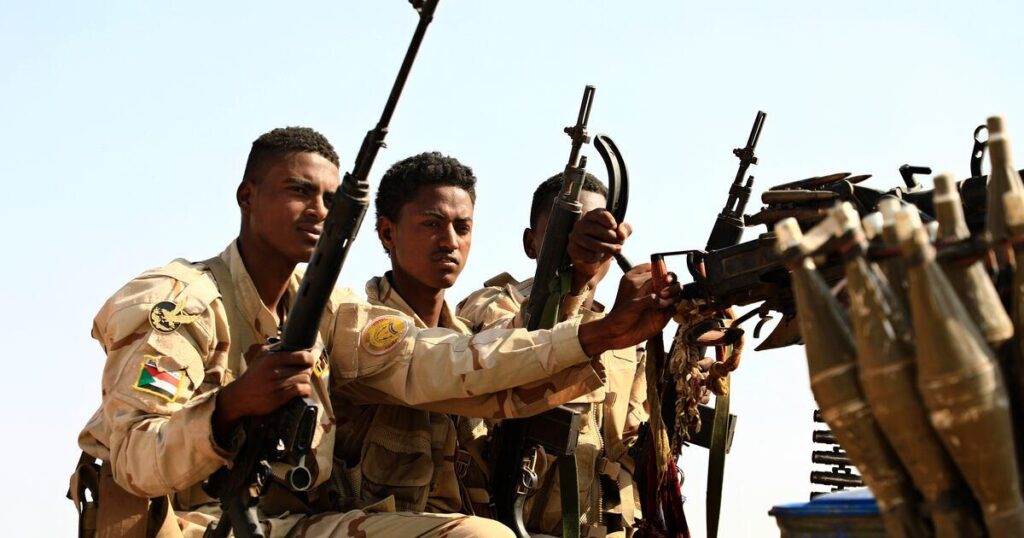
A report by Africa Intelligence said the army’s new chief of staff, General Yasir al-Atta, has appointed several officers with whom he has longstanding professional ties, alongside military figures described as being close to the Islamist movement within the Sudanese Armed Forces.
The changes appear to go beyond routine administrative restructuring, according to the report. They are seen as an effort to reshape internal centres of power, strengthen al-Atta’s authority and build a more cohesive command structure committed to continuing the war until the RSF is defeated militarily.
Al-Atta reportedly assumed the role of chief of staff in April, replacing General Mohamed Othman al-Hussein, and moved quickly to reorganise the army’s senior leadership.
Several of the officers promoted or appointed had previously served alongside al-Atta, while others are believed to have links to Islamist currents that have maintained a presence within the military for decades.
The reshuffle forms part of a wider restructuring effort led by army commander General Abdel Fattah al-Burhan as the Sudanese military attempts to adapt its command structures to the demands of the continuing conflict.
However, the profile of some of the new appointees has fuelled debate over whether the changes represent a necessary wartime reorganisation or the renewed empowerment of Islamist-linked figures within the military establishment.
The role of Sudan’s Islamist movement inside the armed forces remains one of the country’s most controversial political issues.
Critics say networks associated with former president Omar al-Bashir’s regime were never fully dismantled after his removal in 2019. Instead, they retained influence within parts of the state, particularly the security services and military, after three decades of Islamist rule.
Army officials have repeatedly rejected allegations that the armed forces are controlled by any political movement. They maintain that appointments and promotions are based on professional and operational considerations, particularly as the military fights on several fronts.
Africa Intelligence, however, linked the latest appointments to al-Atta’s political and military outlook.
Al-Atta is regarded as one of the most prominent army commanders opposed to reaching a negotiated settlement with the RSF before the military secures a decisive battlefield victory.
The selection of officers with frontline experience and close relationships with the current leadership may therefore indicate an attempt to create a command structure more closely aligned with a strategy of pursuing the war until a military conclusion is achieved.
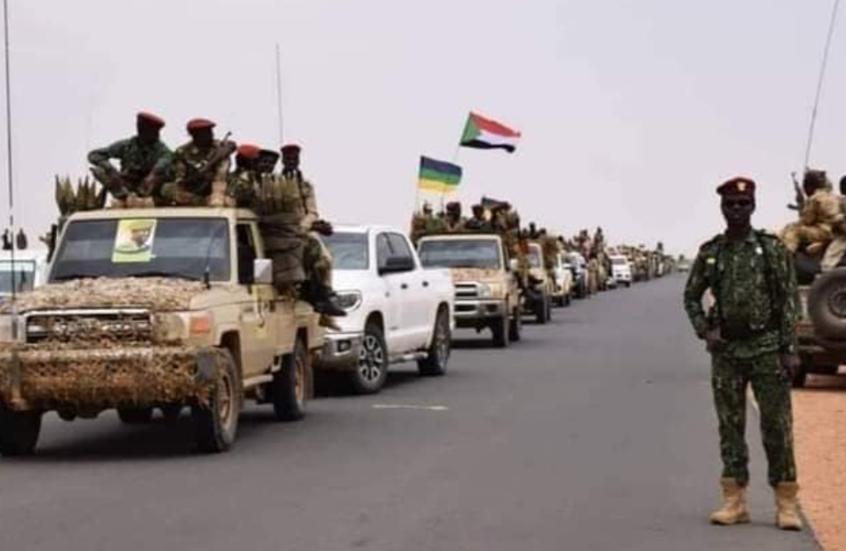
The reshuffle comes as Sudan’s conflict undergoes rapid military and political changes, while regional and international mediation efforts continue to struggle to secure a lasting ceasefire or revive a credible political process.
Observers say changes at the top of the army could have a direct impact on the trajectory of the war, particularly if they strengthen commanders who prioritise military victory over negotiations.
Such a development could further reduce the prospects of reaching an agreement to end the fighting in the near term.
The appointments have also renewed questions about the future relationship between the military and Sudan’s civilian political forces, amid continuing disputes over political influence within state institutions and the shape of any future transitional government.
The success of al-Atta’s restructuring effort will not be measured solely by his ability to consolidate control over the army’s senior command.
It will also depend on whether the new leadership can deliver battlefield gains, maintain internal cohesion and manage a prolonged conflict that has severely depleted Sudan’s military, economic and human resources.
The armed forces also face challenges extending far beyond combat, including reorganising units, coordinating operations across multiple fronts, preserving institutional unity amid intense political polarisation and responding to growing international pressure to end the war.
The Africa Intelligence report has therefore reopened the debate over whether the latest changes represent a wartime military restructuring or the strengthening of a particular ideological faction within the army.
The Sudanese military has not publicly responded to the claims contained in the report.
For now, the full nature of the appointments—and their impact on the war and the future of the armed forces—remains under close scrutiny inside Sudan and abroad.