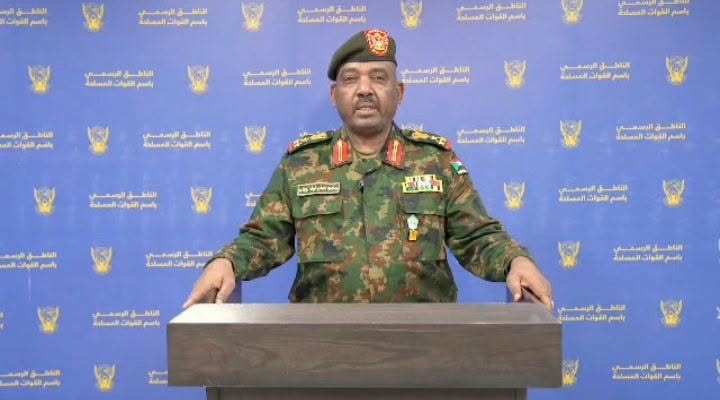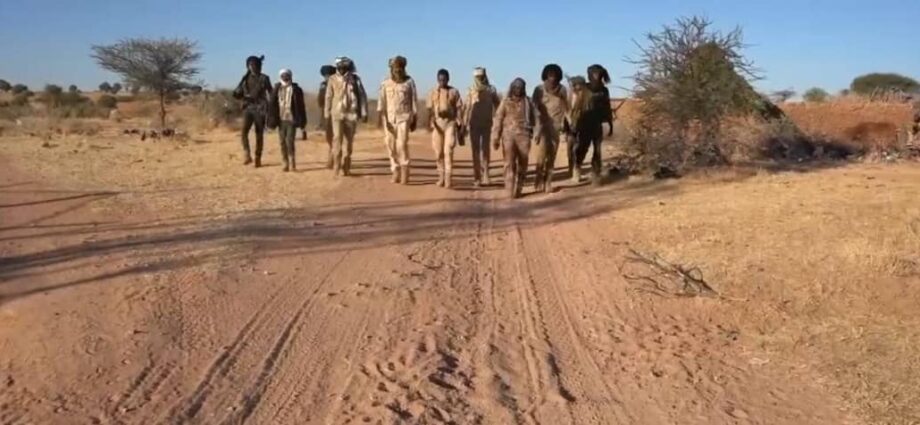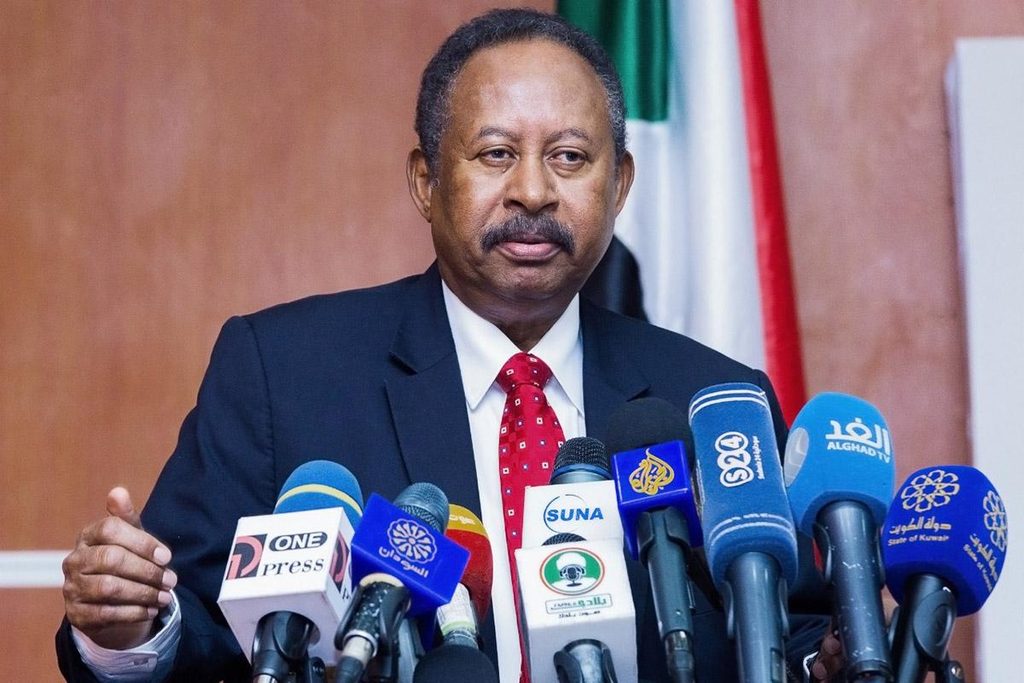
Sudanese political figures have accused the Sudanese Armed Forces (SAF) and its allies of pursuing a coordinated strategy to insert multiple Islamist-linked political fronts into international peace efforts, in what critics describe as an attempt to shape or obstruct any future settlement.
The allegations go beyond earlier objections to the participation of figures linked to the dissolved National Congress Party (NCP) and Sudan’s Islamic Movement.
Critics now argue that Islamist networks associated with the former regime are operating through a collection of separate political entities, allowing them to expand their representation inside negotiations while presenting themselves as independent forces.
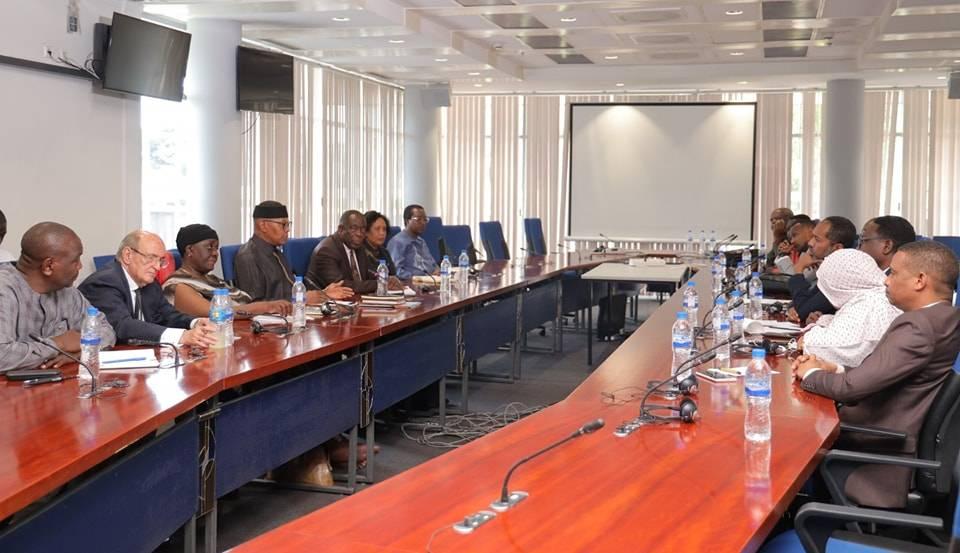
The accusations were raised following consultations held in Addis Ababa by the Quintet Mechanism, comprising the United Nations, African Union, Arab League, European Union and the Intergovernmental Authority on Development (IGAD).
Several major civilian blocs, including the Civil Democratic Alliance of Revolutionary Forces, known as Sumoud, the Sudan Founding Alliance (Tasis), and forces associated with the Declaration of Principles, boycotted the talks.
While those groups had previously objected to what they described as attempts to rehabilitate NCP and Islamic Movement figures, Sudanese political figures now say the strategy involves “flooding” the negotiating process with multiple fronts linked to the same political network.
National Umma Party leader Urwa Al-Sadiq told Al-Ain News that opposition to the Addis consultations was directed primarily at the structure of the proposed political process rather than international mediation itself.
Al-Sadiq said political organisations and figures linked to the former ruling NCP and the forces behind the October 2021 military takeover were being introduced under broader political labels that could conceal their underlying affiliations.
He argued that Sudan’s Islamist network extends beyond the dissolved NCP and includes political, administrative, security and institutional structures built during the rule of former president Omar al-Bashir.
According to Al-Sadiq, elements of that network gradually regained influence within state institutions following SAF commander Abdel Fattah al-Burhan’s 2021 coup against Sudan’s civilian-led transitional government.
He accused those forces of approaching peace negotiations as a means of recovering political legitimacy while preserving the power structures created by the war.
Rather than using negotiations as a route toward democratic transition, Al-Sadiq said, Islamist-linked groups were seeking to reposition themselves within any post-war political order.
Sudanese political analyst Al-Najmi Othman made a similar accusation, saying the proliferation of Islamic Movement-linked fronts inside the proposed process was intended to increase their influence over its eventual outcome.
Othman described the approach as an attempt to “flood” negotiations with organisations linked to the same political current.
He accused Islamist forces of having supported Bashir’s former government, backed Burhan’s October 2021 takeover and subsequently supported the continuation of the war.
According to Othman, the creation or mobilisation of multiple political fronts offers Islamist networks a way to secure greater representation in negotiations while presenting the process as broadly inclusive.
He said the strategy could allow the Islamic Movement to influence the composition of a future settlement and preserve a place for its political networks after the war.
Civilian groups opposing the Port Sudan authorities have repeatedly demanded clear criteria governing participation in any political process.
They argue that organisations associated with the former regime or accused of supporting the continuation of the conflict should not be granted the same standing as forces calling for an end to the war and a transition to civilian government.
The latest allegations add a new dimension to the dispute surrounding international efforts to restart negotiations, shifting attention from whether Islamist-linked figures should participate to whether a network of nominally separate political fronts is being used to maximise their influence over the process.
For Tasis, Sumoud and other anti-war civilian groups, the concern is that a settlement designed around numerical representation could enable former regime networks to re-enter Sudanese politics through multiple affiliated organisations rather than under the banner of the dissolved NCP itself.