Researchers at Yale University have confirmed that the Sudanese Armed Forces (SAF) bombarded buildings and vehicles in El Nahud, West Kordofan, including structures in residential neighbourhoods, raising concerns over the safety of civilians as fighting intensifies around the strategic city.
The findings were published on November 17 by the Humanitarian Research Lab (HRL) at Yale School of Public Health, which has been documenting developments in Sudan through satellite imagery and other investigative methods.
In its 83rd situation report, the laboratory confirmed that a significant civilian population remained in El Nahud despite escalating military operations and reports of an approaching SAF ground offensive.
Researchers said they were withholding detailed information identifying the locations of the attacks, along with imagery documenting the damage, because publication could compromise civilian security.
The decision differs from the laboratory’s usual practice of releasing detailed satellite photographs to substantiate its findings.
The researchers warned that advancing SAF forces were required under international humanitarian law to take precautions to protect civilians and civilian infrastructure.
They also appealed to all parties to facilitate humanitarian access and allow civilians to leave areas affected by active fighting safely.
The report did not establish a death toll or determine whether every structure struck was a civilian or military target.
Escalating fighting in West Kordofan
The findings come amid an intensification of military operations across West Kordofan, where the Rapid Support Forces (RSF) have controlled several strategically important areas since May 2025.
According to the Armed Conflict Location and Event Data project (ACLED), SAF-aligned forces have captured more than 30 towns and villages across North and West Kordofan since the beginning of November.
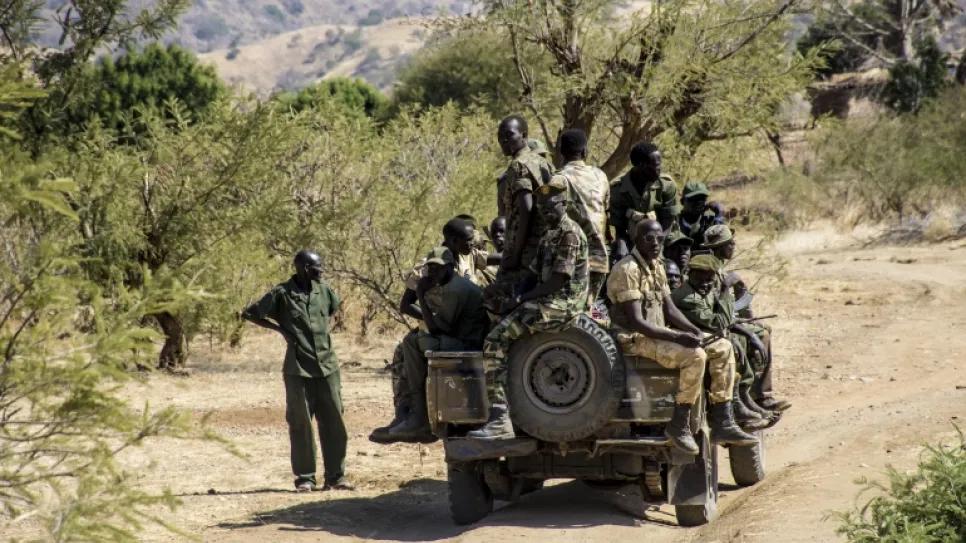
The offensive intensified after SAF forces captured El Khowei on November 13 and began advancing towards El Nahud.
Reports on November 17 placed advancing army-aligned forces approximately 60 kilometres from the city.
ACLED said the offensive formed part of a broader military campaign launched in July 2026, initially targeting the road linking Khartoum and El Obeid before expanding westwards.
The RSF has reportedly deployed additional forces to El Nahud in anticipation of further attacks.
Meanwhile, reports circulating on social media claiming SAF forces had already entered El Nahud were subsequently disputed.
Radio Dabanga reported that footage showing army forces entering the Khamas area had contributed to inaccurate claims that El Nahud itself had changed hands.
Strategic importance of El Nahud
El Nahud is one of West Kordofan’s largest urban centres and an important commercial hub connecting western Sudan with markets farther east.
Control of the city has implications for military supply networks linking Kordofan and Darfur, giving it significant strategic importance to both sides.
The intensification of fighting has raised concerns that civilian communities could become trapped between advancing forces and continued aerial attacks.
Other parts of West Kordofan have already witnessed civilian casualties in recent days.
An SAF airstrike in the Abu Galb area of Abu Zabad locality killed at least 13 people, including women and children, according to the Sudanese Emergency Lawyers group.
Drone warfare takes mounting civilian toll
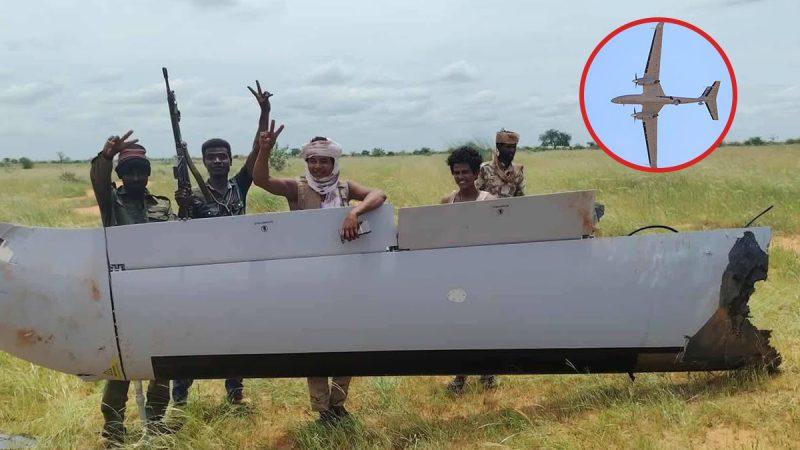
The Yale findings coincide with a broader warning from the UN Human Rights Office over the growing use of drones in Sudan’s war.
The UN documented at least 2,230 civilian deaths between January and October 2026, including more than 1,630 people killed in drone attacks.
Attacks have increasingly affected civilian locations far beyond immediate battlefronts, including hospitals, markets, schools and essential infrastructure.
The increasing reliance on aerial weapons has also complicated humanitarian operations and threatened communities already struggling with shortages of food, healthcare and essential supplies.
International humanitarian law requires parties to distinguish between civilian and military targets and prohibits disproportionate and indiscriminate attacks.
Yale’s researchers have not released an assessment determining the legality of individual strikes in El Nahud, but their warning underscores the risks facing the city’s remaining civilian population as military operations continue.