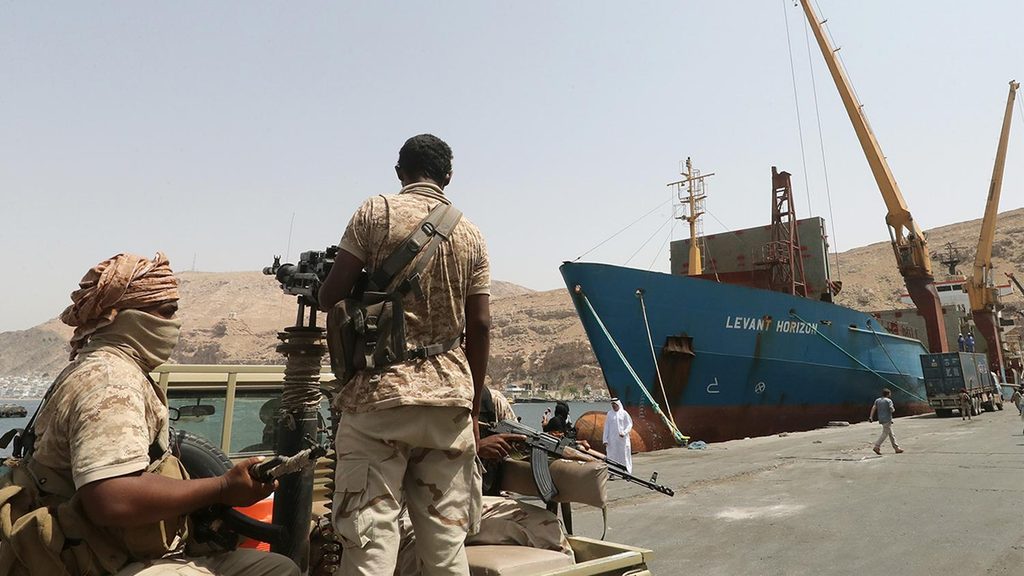
Iran-aligned Houthi forces seized Yemen’s strategic Red Sea port city of Mocha on Thursday, tightening their grip near the Bab el-Mandeb Strait and raising fresh concerns over global energy and shipping routes.
Four Yemeni government military sources said the Houthis had taken control of Mocha and were also launching attacks on the nearby Hanish Islands, giving them greater leverage over one of the world’s most important maritime chokepoints.
The Bab el-Mandeb links the Red Sea with the Gulf of Aden and serves as a major route for oil, fuel and commercial goods moving between the Gulf, Europe and Asia.
The latest advance comes as Saudi Arabia increasingly depends on Red Sea shipping after the conflict with Iran heavily disrupted traffic through the Strait of Hormuz, which previously carried about a fifth of global oil supplies.
Brent crude remained above $100 a barrel on Thursday as attacks and military tensions continued to disrupt both major regional shipping corridors.
The Houthis entered the wider Iran conflict with an attack on Israel on March 28, but initially remained relatively restrained before declaring a naval blockade against Saudi Arabia in July and sharply escalating attacks on southern Saudi territory in September.
Saudi civil defence authorities issued repeated emergency alerts in the southwestern city of Khamis Mushait on Thursday as Houthi attacks continued.
Pakistan has meanwhile conveyed a Saudi warning to Tehran urging it to rein in the Houthis in an effort to prevent further escalation, according to Saudi, Pakistani and Iranian sources.
A senior Iranian official confirmed that Islamabad delivered the message on Tuesday but said Tehran responded that it did not control the Yemeni group.
The escalation comes as Saudi-backed Yemeni government forces repositioned southwards along the Red Sea coast towards Dhubab, directly overlooking the Bab el-Mandeb.
Government military sources said control of Dhubab and nearby Perim Island would be critical to controlling the strait.
The Bab el-Mandeb, whose name means “Gate of Tears”, separates Yemen from Djibouti and Eritrea and is a critical transit route for Gulf crude and fuel heading towards the Mediterranean through the Suez Canal and the SUMED pipeline in Egypt.
The Houthis already control most of Yemen’s densely populated northern regions and have emerged as one of the most powerful members of Iran’s regional network of armed allies.
They have also launched drones and missiles at Israel and attacked commercial shipping in the Red Sea, saying their operations are in support of Palestinians in Gaza.
Trump predicts war will end after US midterms
The growing confrontation comes as US President Donald Trump said he expected the wider war with Iran to end shortly after the November midterm elections.
Trump accused Tehran of trying to influence the vote, which will determine whether Republicans retain control of Congress.
“I think war is going to end immediately after the election because they can’t hold out any longer,” Trump told reporters on Wednesday.
Trump has previously predicted an imminent end to the conflict.
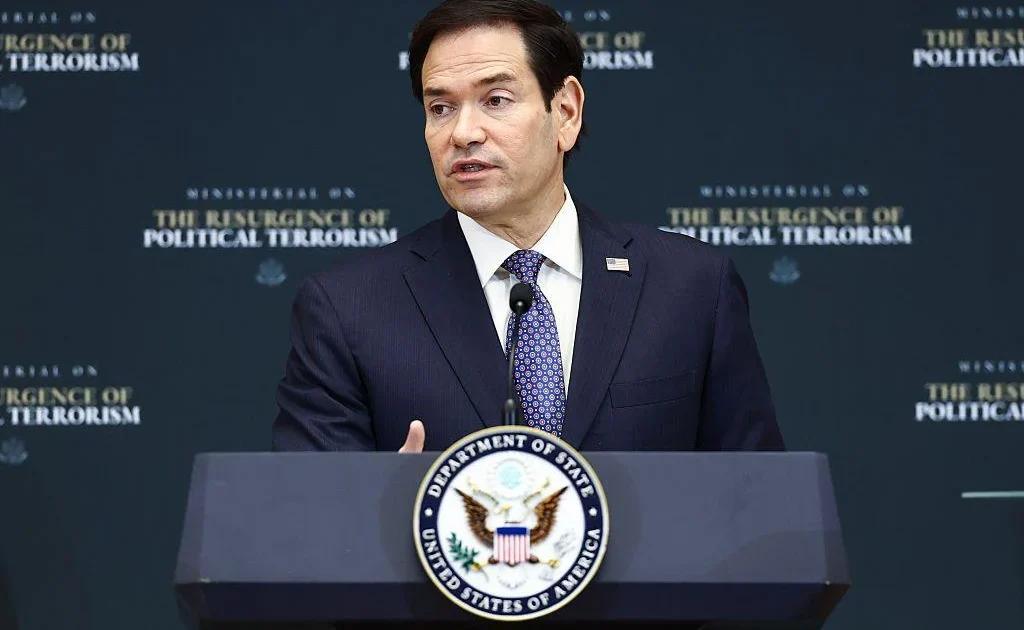
The Wall Street Journal reported that senior White House officials, including Vice President JD Vance and Secretary of State Marco Rubio, have privately warned Trump that the war could continue through the remainder of his presidency, which ends in January 2029.
Reuters said it could not independently verify the report.
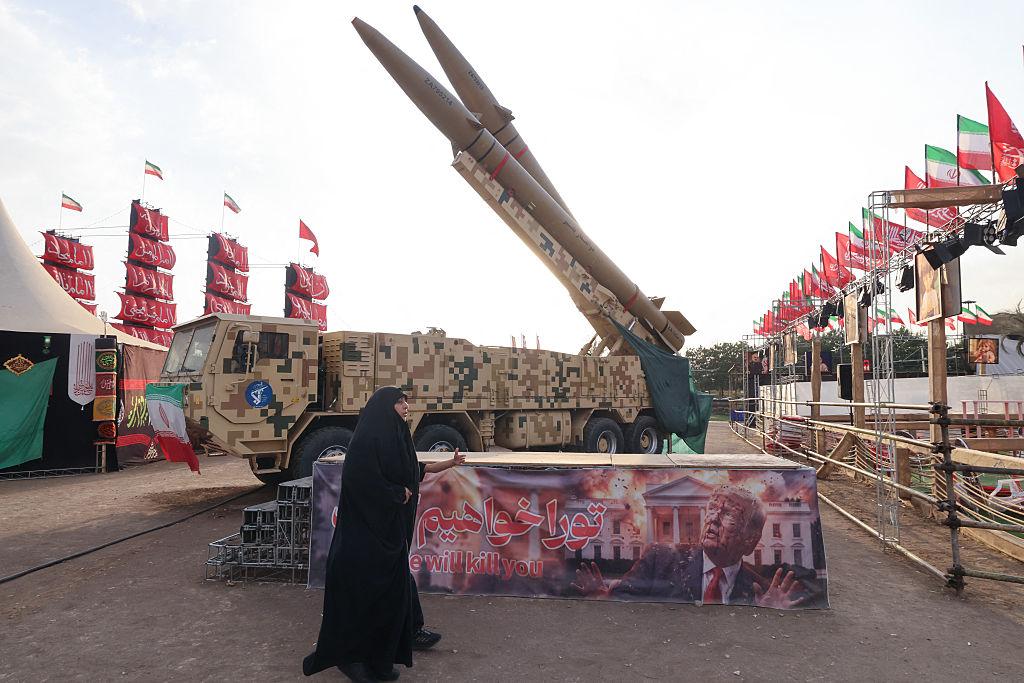
Iran said it attacked 10 vessels near the Strait of Hormuz on Wednesday after the United States sank five Iranian oil tankers, marking the largest publicly acknowledged exchange of strikes against shipping since the war began in February.
Trump also said Washington could strike Iran’s Pickaxe Mountain, a fortified site containing two deeply buried tunnel complexes near the damaged Natanz uranium enrichment facility.
The United States and Israel launched strikes against Iran in February, citing concerns over Tehran’s nuclear programme. Iran maintains that its nuclear activities are peaceful.
Washington had recently claimed progress in guiding tankers through the Strait of Hormuz, but a renewed wave of fighting this month has again restricted traffic.
Preliminary vessel-tracking data showed just seven ships passed through the strait on Wednesday, roughly half the average recorded over the previous 10 days.