US Secretary of State Marco Rubio has called on Cubans seeking political change to cooperate with the Central Intelligence Agency (CIA), as President Donald Trump signalled that Washington would turn its attention to Cuba after its military campaign against Iran.
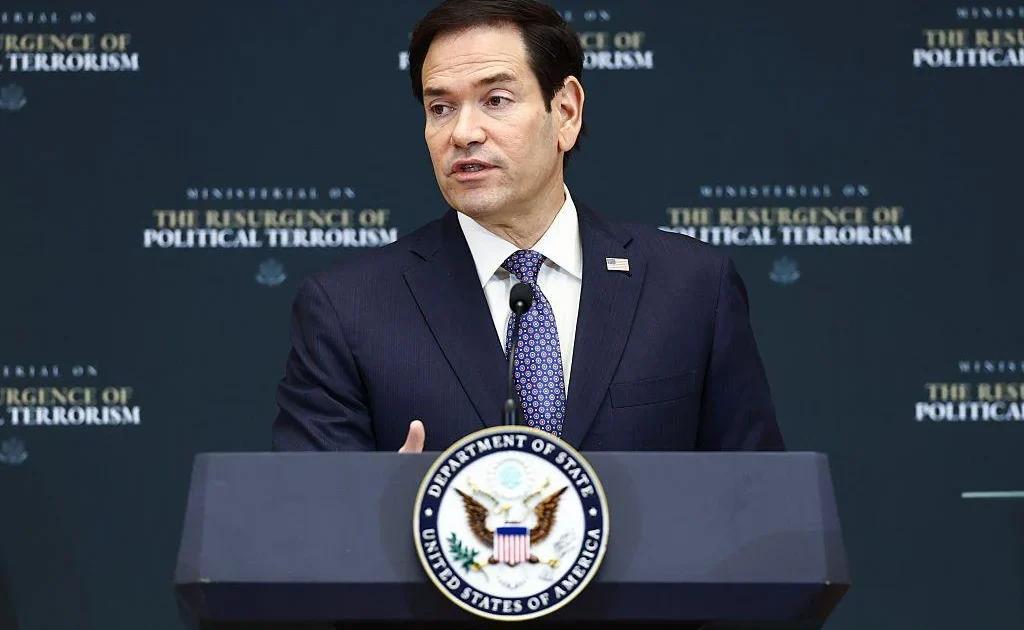
In a message posted on X on Friday, Rubio urged opponents of Cuba’s communist government to seize what he described as an opportunity to bring about political change through discreet cooperation with US intelligence services.
“To those who seek to create positive change in Cuba – now is the time,” Rubio wrote.
The US secretary of state, who has played a central role in shaping the Trump administration’s Cuba policy, criticised what he described as broken promises, corruption and privileges enjoyed by the country’s ruling elite.
He encouraged Cubans dissatisfied with the government to establish contact with the CIA but provided no further details about how such cooperation would operate.
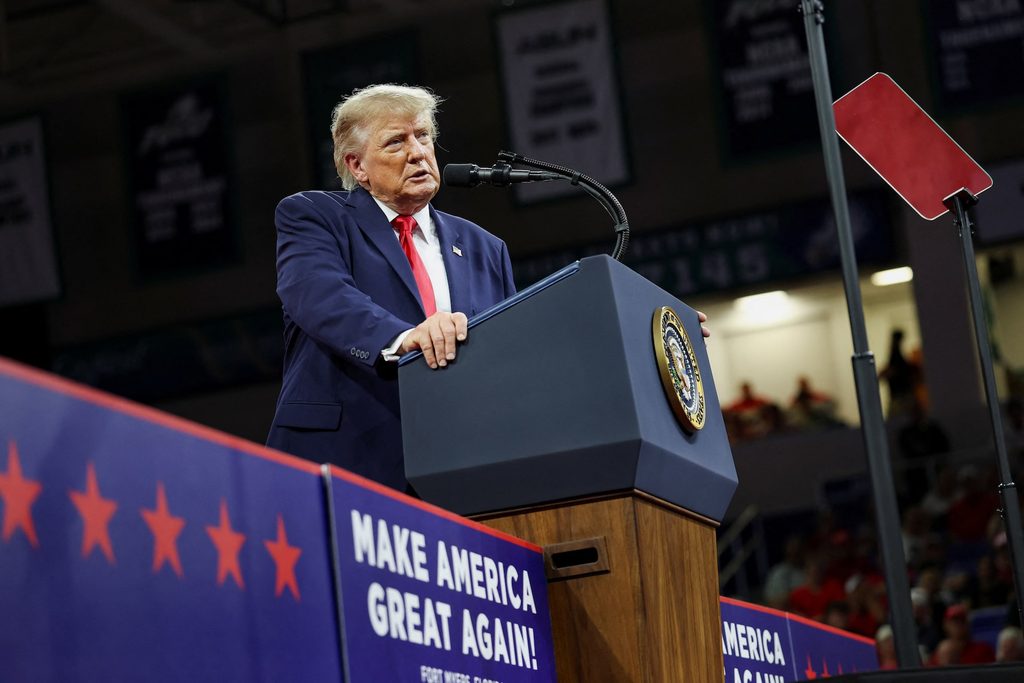
Rubio’s remarks followed fresh warnings from Trump, who told supporters at a rally in Fort Myers, Florida, that Cuba would be Washington’s next priority following operations against Iran.
“We’ll take care of Cuba on our way back from Iran,” Trump declared, adding that Rubio would be dispatched to conclude an agreement.
The US president also suggested that American warships returning from the Middle East could approach Cuba’s coastline, raising further questions about the possibility of military intervention.
The comments represent another escalation in Washington’s campaign to force political change in Havana, which has faced mounting economic and diplomatic pressure under Trump’s administration.
Earlier this year, Washington imposed an oil blockade on Cuba, intensifying an already severe economic crisis marked by fuel shortages, widespread electricity blackouts and deteriorating infrastructure.
The restrictions have compounded the impact of the longstanding US economic embargo, which has remained in place for more than six decades.
Pressure on Cuba has increased significantly since January, when US forces captured then-Venezuelan President Nicolas Maduro during a deadly military operation, removing one of Havana’s closest regional allies.
United Nations human rights experts have condemned Washington’s oil blockade as a violation of international law, while rights organisations have raised concerns over the administration’s increasingly aggressive approach towards the Caribbean nation.
Despite the growing confrontation, Cuban authorities have maintained that they remain open to negotiations with Washington.
Cuba’s foreign minister told the UN General Assembly in September that Havana was prepared to pursue dialogue with the United States.
Trump previously suggested that Washington and Havana could eventually reach an agreement without resorting to military force.
However, his latest comments, coupled with Rubio’s public appeal for cooperation with the CIA, underscore the administration’s intensifying efforts to bring about political change in Cuba.