Severe irrigation shortages have forced large areas out of cultivation in Sudan’s Gezira Scheme, raising fears of a sharp decline in food production as farmers struggle with low water levels and weak rainfall.
The Gezira Scheme, Sudan’s largest irrigated agricultural project, has seen substantial areas planted for the summer season affected by insufficient irrigation water, according to farmers and agricultural specialists.
The problems come as much of Sudan’s rain-fed farming sector has also been hit by delayed rainfall, adding pressure to a food system already severely disrupted by the country’s prolonged conflict.
Local reports have linked lower water availability at the Sennar reservoir to reduced flows in the Blue Nile, while also citing the impact of Ethiopia’s Grand Ethiopian Renaissance Dam. The extent to which GERD operations are responsible for the current decline in irrigation supplies has not been independently established.
Farmers have been working with irrigation authorities in recent days to clear canals and improve water distribution as preparations begin for the winter agricultural season.
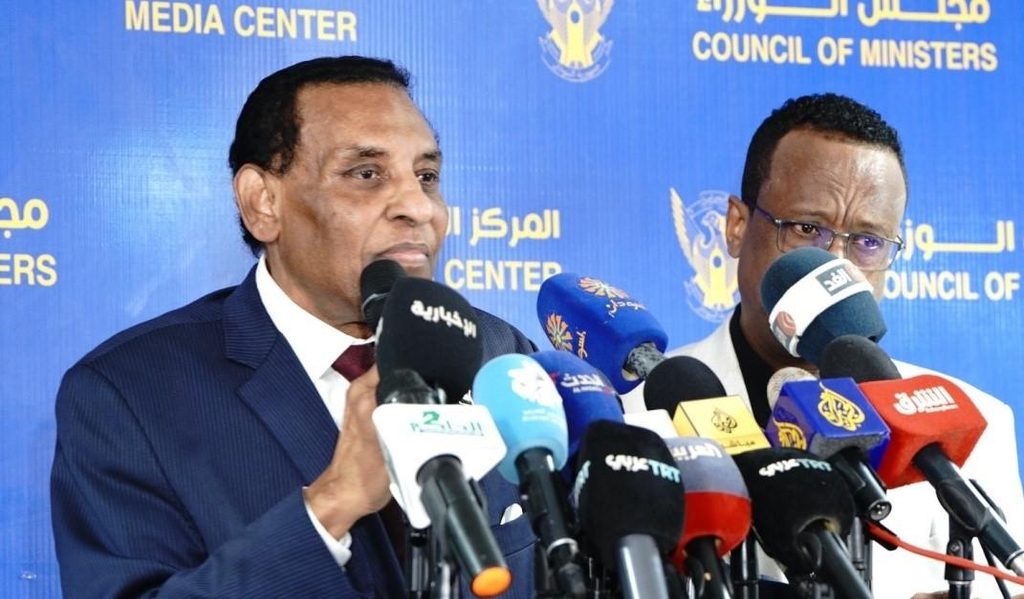
Abdel Aziz al-Sulmi, a member of the general assembly representing agricultural producers in the Gezira Scheme, warned that the shortage had become severe enough to affect communities as well as farmland.
He said declining supplies from the Sennar reservoir and poor rainfall could jeopardise preparations for the winter season, particularly wheat cultivation, potentially adding to Sudan’s food security crisis.
Farmers and agricultural experts say the water shortage is no longer simply a seasonal irrigation problem but a direct threat to agricultural production and the livelihoods of millions of Sudanese.
Lower yields could also leave farmers unable to repay debts accumulated during the season, exposing some to financial and legal difficulties.
Around five million people are estimated to depend directly or indirectly on the Gezira Scheme. The project has historically supplied a large share of Sudan’s wheat, tomatoes and onions, while also producing cash crops including cotton and soybeans.
Agricultural specialist Mohamed al-Toum said authorities needed to take early measures to secure water supplies for Sudan’s irrigated schemes if Nile levels remained depressed.
He said Gezira was particularly vulnerable because of the enormous quantities of water required to sustain its irrigation network.
Any prolonged decline in flows through the Blue Nile and Sennar reservoir could also affect the Rahad and Suki agricultural schemes, which depend on the same water system, he said.
The New Halfa Scheme, which relies on the Khashm el-Girba reservoir, as well as smaller Nile-side agricultural projects and farms using pumps, could also face difficulties if water levels remain low.
In some areas, declining river levels can leave pumps unable to reach the water unless intake systems are extended or modified.
Gezira Scheme director Ibrahim Mustafa has sought to ease concerns, saying water supplies for the agricultural season remained in good condition and stood at around 34 million cubic metres.
But farmers remain concerned that the recent drop in Blue Nile and main Nile levels could develop into a prolonged crisis, particularly after several pump-dependent agricultural projects reported disruption.
A farmer at the Seleim agricultural scheme near Dongola in northern Sudan said the river had receded by more than 2.5 kilometres in his area.
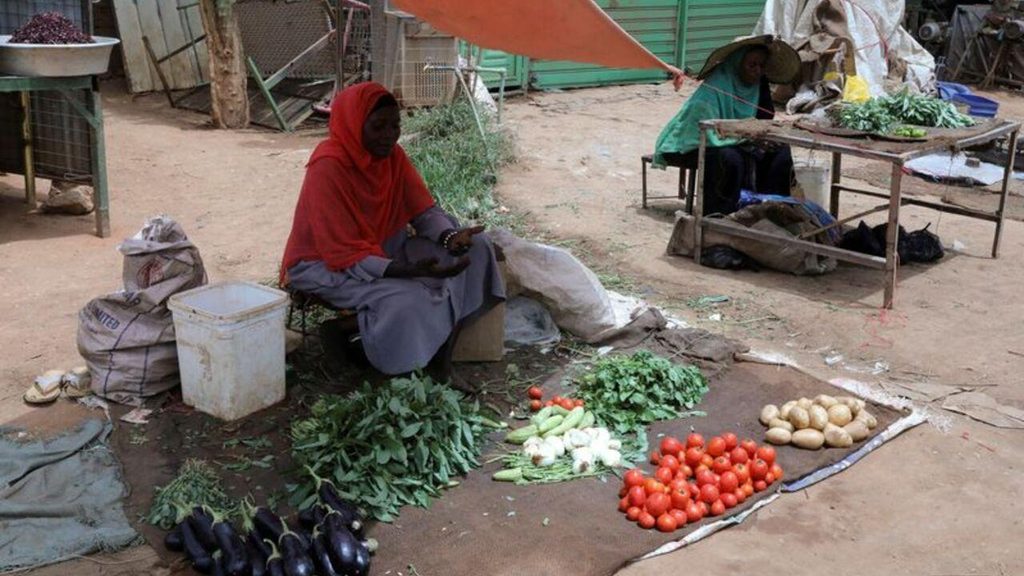
He said the decline had caused major losses to vegetable crops and disrupted irrigation using traditional waterwheels.
Dozens of agricultural plots had suffered severe damage as farmers struggled to find alternative ways to supply water, he added.
The growing irrigation crisis comes at a particularly difficult time for Sudan, where war, displacement, disrupted trade and declining agricultural production have already placed millions of people under severe pressure and heightened concerns over the country’s food supply.