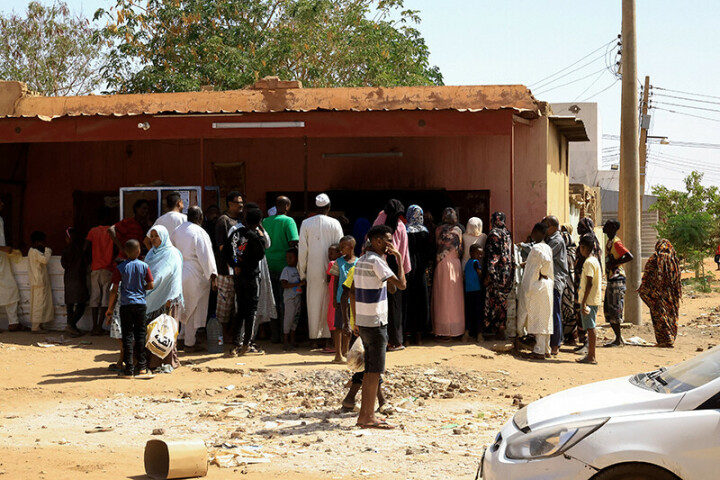
Severe fuel shortages have disrupted public transport across Sudan’s capital, Khartoum, sending fares sharply higher as rising production costs threaten another major increase in bread prices.
Long queues formed outside petrol stations on Sunday as motorists struggled to obtain fuel, leaving public transport services severely restricted and residents facing lengthy delays.
Drivers told Sudan Tribune that diesel prices on the black market had climbed to 80,000 Sudanese pounds per gallon, while gasoline reached 70,000 pounds.
The shortages have forced some transport operators to reduce services, leaving commuters struggling to reach workplaces, markets and other essential destinations.
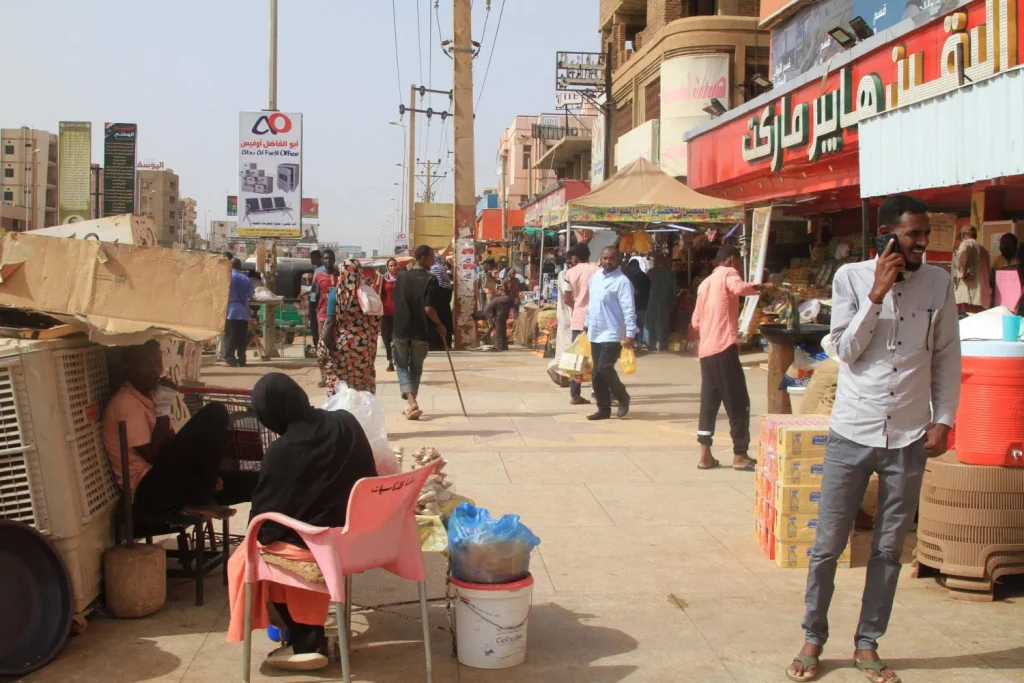
Residents reported significant increases in transport fares across several routes in the capital.
A journey from the East Nile Hospital area to Khartoum’s Arab Market reportedly increased from 3,000 to 5,000 pounds, while fares between Wadi Al-Akhdar, Market 6 and the Central Market roundabout reached 7,000 pounds.
In Khartoum North, fares between Bahri’s central transport station and the eastern station on Obeid Khatim Street rose from 3,000 to 4,000 pounds.
Local driver Ahmed Osman warned that the fuel crisis had reached a critical stage, severely affecting transport services and economic activity.
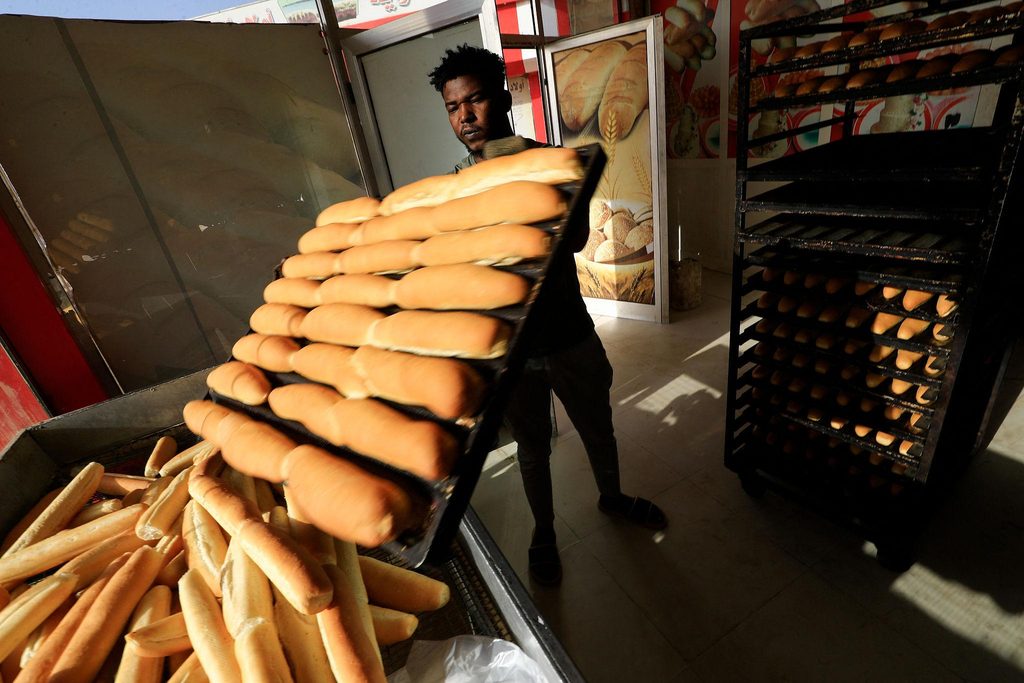
The disruption comes as Sudanese households face another potential increase in the cost of bread.
Bakery operators said flour companies introduced fresh price increases on Sunday, pushing prices to 191,500 Sudanese pounds as production expenses continued to climb.
Issam Okasha, deputy head of the Bakeries Union, told Sudan Tribune that higher flour prices, combined with rising costs for yeast, cooking oil, diesel and cooking gas, were placing growing pressure on bakeries.
He warned that the price of a single loaf could reach 1,000 Sudanese pounds if current increases continue.
Bread prices have already risen sharply across parts of Khartoum, where two loaves have been selling for 1,000 pounds amid flour shortages and disruptions to bakery operations.
The latest increases threaten to deepen financial pressure on households already struggling with Sudan’s deteriorating economy.
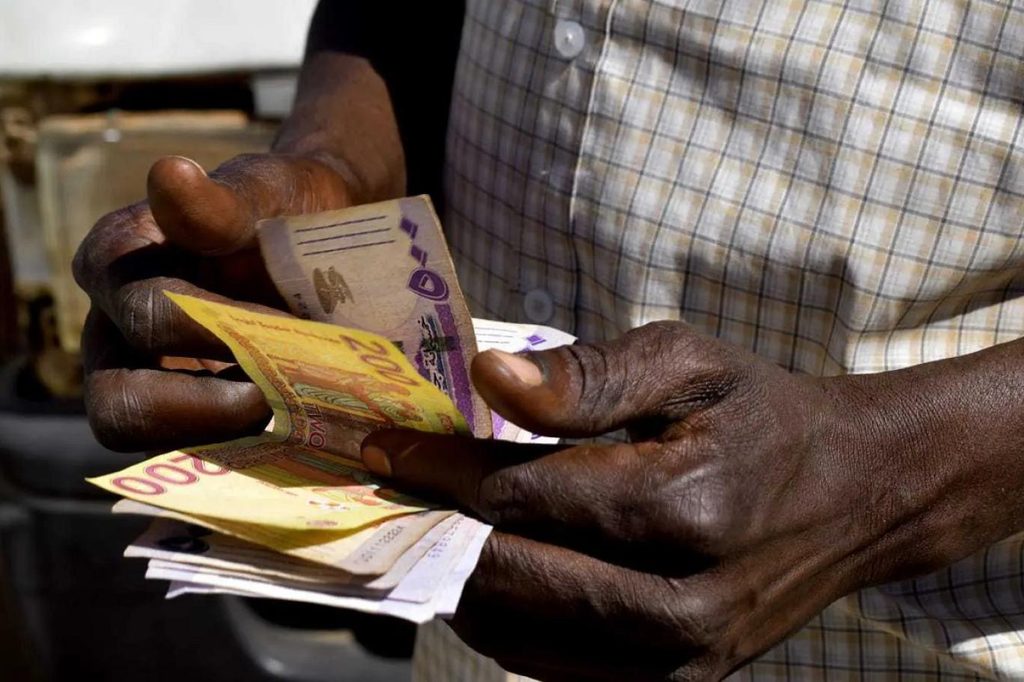
The continued depreciation of the Sudanese pound has further increased the cost of imported goods, while expensive fuel and disrupted transport networks have driven up distribution costs between states.
Sudan’s prolonged conflict has severely disrupted trade, production and essential services, leaving residents increasingly vulnerable to shortages and sudden price increases.
With fuel supplies remaining constrained and bakery production costs continuing to rise, households face the prospect of paying substantially more for both daily transport and basic food supplies.