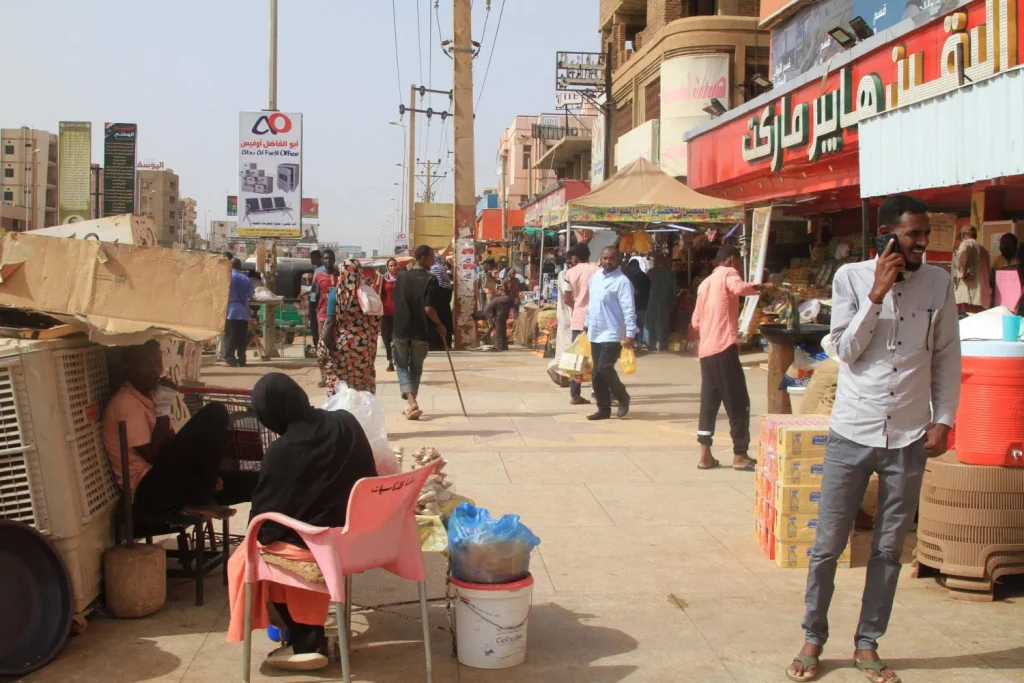
Sudan’s annual inflation rate climbed to 28.29 percent in September, up from 26.14 percent in August, as rising food prices and the continued depreciation of the Sudanese pound placed further pressure on households already struggling with the economic consequences of war.
Figures released Wednesday by the Central Bureau of Statistics showed that food and beverage prices increased by 36.81 percent compared with September last year, highlighting the growing cost of essential goods.
Inflation was particularly severe in urban areas, where the annual rate reached 40.35 percent, compared with 38.05 percent in August.
Rural inflation also increased, rising to 21.18 percent from 19.26 percent the previous month.
The latest figures come as Sudan’s currency continues to lose value against the US dollar, driving up import costs and further weakening purchasing power.
The Sudanese pound fell to a record low of 10,000 to the dollar on the parallel market on Wednesday, according to Reuters, compared with approximately 600 pounds before the conflict erupted in April 2023.
The sharp depreciation has compounded economic hardship across the country, particularly for families that have lost their livelihoods, savings and access to stable employment.
According to the statistics bureau, price increases affected a broad range of goods and services, including food, clothing, housing, healthcare, transport, communications and household necessities.
The bureau calculates inflation using a basket of 663 goods and services divided into 12 categories, designed to reflect spending patterns across Sudan’s urban and rural communities.
Sudan’s economy has suffered extensive damage since fighting erupted between the Sudanese Armed Forces (SAF) and the Rapid Support Forces (RSF) in April 2023.
The conflict has disrupted agricultural production, damaged infrastructure, weakened commercial activity and displaced millions of people, leaving large sections of the population dependent on humanitarian assistance.
The continuing depreciation of the pound has also increased the cost of imported goods, including essential commodities, while declining economic activity has reduced employment opportunities and household incomes.