Sudan’s army-appointed Prime Minister Kamil Idris has announced exemptions from customs duties and taxes on essential food imports, as soaring prices, fuel shortages and a weakening currency deepen the country’s economic crisis.
The decision, issued on Monday, removes customs charges and value-added tax (VAT) on eight categories of basic food products, including flour, lentils, rice, fava beans, cooking oils, beans, chickpeas and peas.
The Port Sudan administration also announced the removal of import restrictions on certain food products and other commodities, although officials did not specify which additional goods would be permitted into the country.
According to a cabinet statement, the measures are intended to reduce living costs and improve access to essential supplies as millions of Sudanese struggle with worsening economic conditions.
The Finance Ministry, Ministry of Industry and Trade, customs authorities and General Intelligence Service have been instructed to implement the new regulations.
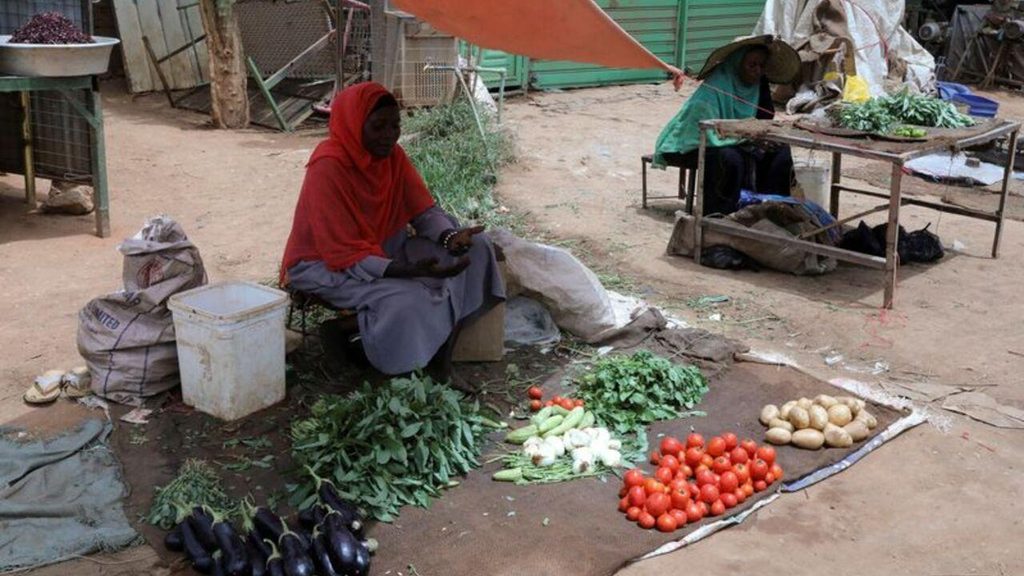
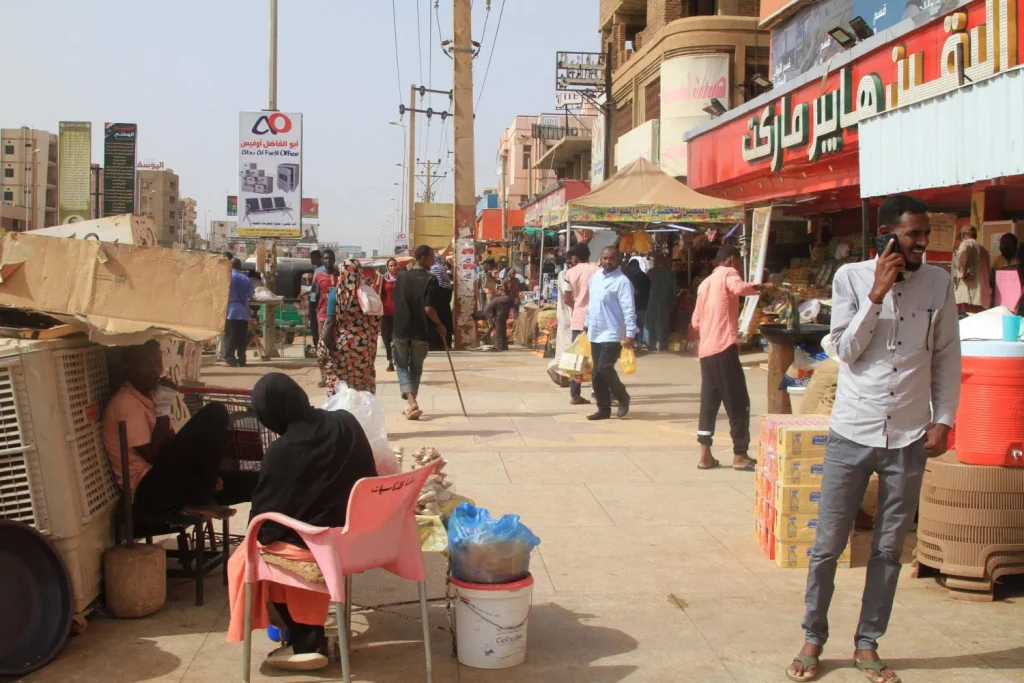
The announcement comes as Sudanese markets face relentless price increases driven by the continued depreciation of the Sudanese pound, rising transportation costs and severe fuel shortages.
The economic disruption has intensified during the ongoing war, which has devastated infrastructure, interrupted trade routes and severely weakened agricultural production and distribution networks.
Army chief Abdel Fattah al-Burhan had ordered the removal of restrictions on selected imports and customs exemptions for essential food products last week.
The National Chamber of Importers welcomed the move but urged authorities to issue clear regulations ensuring its implementation.
The chamber also called for a reduction in the customs exchange rate and the abolition of the Advance Cargo Declaration (ACD) system, arguing that both measures increase the cost of bringing goods into Sudan.
The latest decision marks a reversal of restrictions introduced earlier this year, when authorities banned the importation of more than 40 products classified as luxury or non-essential goods.
Those restrictions were intended to reduce pressure on foreign currency reserves, stabilise exchange rates and encourage domestic production.
However, the measures failed to halt rising consumer prices as Sudan’s economy continued to deteriorate.
It remains unclear how quickly the new exemptions will translate into lower retail prices, particularly while fuel shortages, currency instability and transport disruptions continue to affect supply chains.
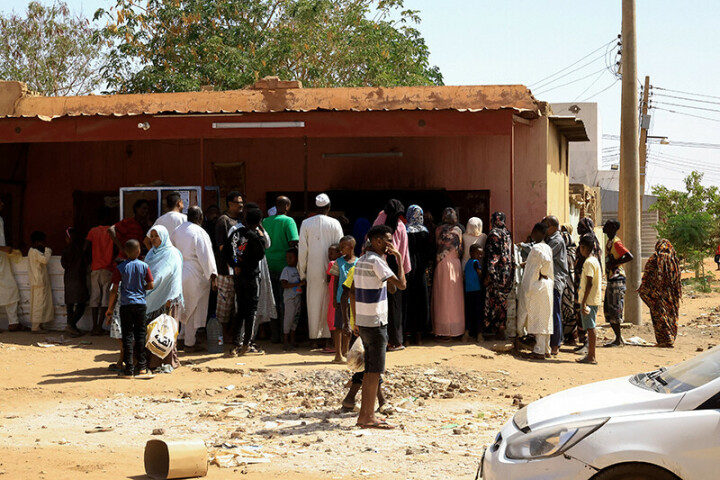
The exemptions come amid growing public frustration over the cost of living, with households struggling to afford food, fuel and other necessities more than three years into Sudan’s devastating conflict.