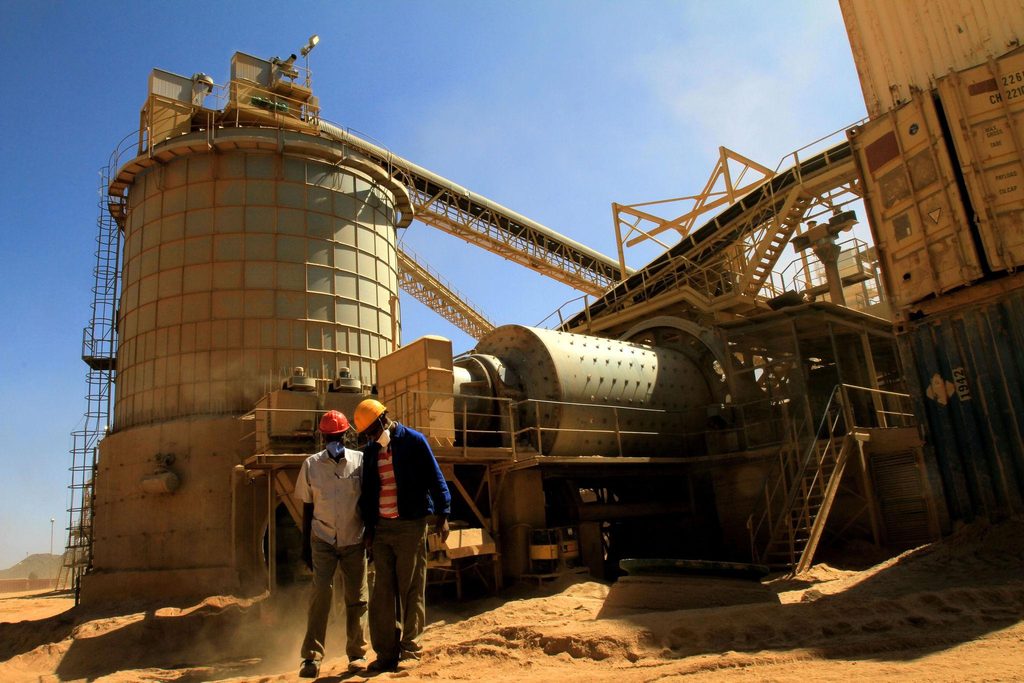
Mali is seeking to attract US investment into its gold, manganese and lithium industries as competition intensifies over access to strategic minerals across West Africa.
Bamako has presented potential mining opportunities to the administration of US President Donald Trump as it looks to diversify its foreign partnerships and draw new capital into a sector increasingly shaped by rivalry between Washington and Beijing.
French publication Africa Intelligence reported that Malian authorities have highlighted opportunities in gold, manganese and lithium, with the latter emerging as one of the country’s most strategically important resources.
Lithium is a key component in batteries used in electric vehicles, energy storage systems and advanced technologies, making control over supply chains an increasingly important economic and geopolitical issue.
China already deeply entrenched
Any US push into Mali’s lithium industry would face strong Chinese competition.
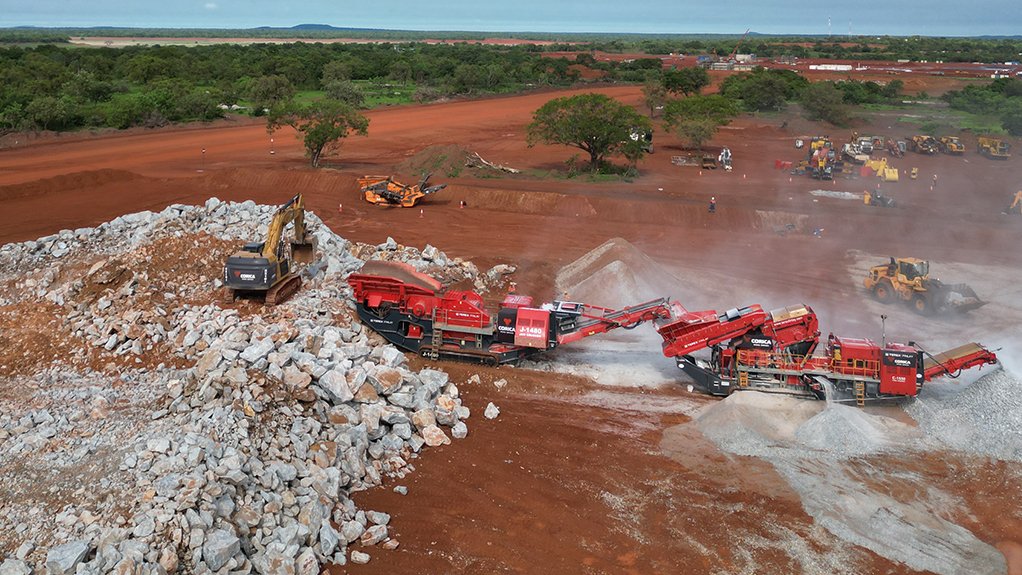
At Goulamina, one of Mali’s largest lithium projects, Chinese producer Ganfeng Lithium holds the dominant stake, while the Malian government owns a minority share.
Chinese interests are also deeply involved in the Bougouni project, where initial production is expected to be directed largely toward the Chinese market.
The scale of Beijing’s existing presence means US companies would be entering a market where Chinese firms already possess extensive commercial relationships, infrastructure and access to production.
That dynamic reflects a wider challenge for Washington as it attempts to reduce dependence on China across the global critical minerals supply chain.
China remains dominant in the refining and processing of many minerals essential to batteries, renewable energy systems, electronics and defence technologies.
Mali seeks to widen its options
For Mali, attracting American investment could help reduce reliance on a narrow group of foreign partners.
Bamako has strengthened political and military relations with Russia in recent years, while Chinese firms have expanded their role in mining and infrastructure.
Opening the minerals sector further to US investors would allow Mali to broaden its economic partnerships without necessarily abandoning its existing relationships.
The approach amounts to a form of mining diplomacy, using access to valuable natural resources to build ties with competing global powers.
Mali is already one of Africa’s major gold producers and is now positioning itself as an increasingly important lithium supplier.
The country is expected to become one of the continent’s largest lithium producers as new projects move into production.
Sahel gains strategic importance
Mali’s emergence as a lithium producer is part of a wider shift that is increasing the strategic value of the Sahel.
Neighbouring Niger possesses major uranium reserves, while other parts of the region contain manganese and additional minerals sought by global manufacturers and governments.
These resources are attracting greater attention as major economies attempt to secure alternative supply chains and reduce vulnerability to disruptions or geopolitical pressure.
Washington has placed critical minerals at the centre of its economic and national security strategy, backing new projects and international partnerships designed to expand access outside China-dominated supply networks.
The US International Development Finance Corporation has also announced support for critical-minerals projects in West Africa as part of broader investment plans worth billions of dollars.
For Bamako, the growing international competition offers an opportunity to leverage its mineral wealth more aggressively.
For Washington, Mali represents another potential source of lithium and other strategic materials at a time when securing diversified supplies has become a major policy priority.
Whether US companies ultimately take up Bamako’s offer remains unclear, but Mali’s outreach underscores how the global race for critical minerals is reshaping economic relationships across the Sahel.