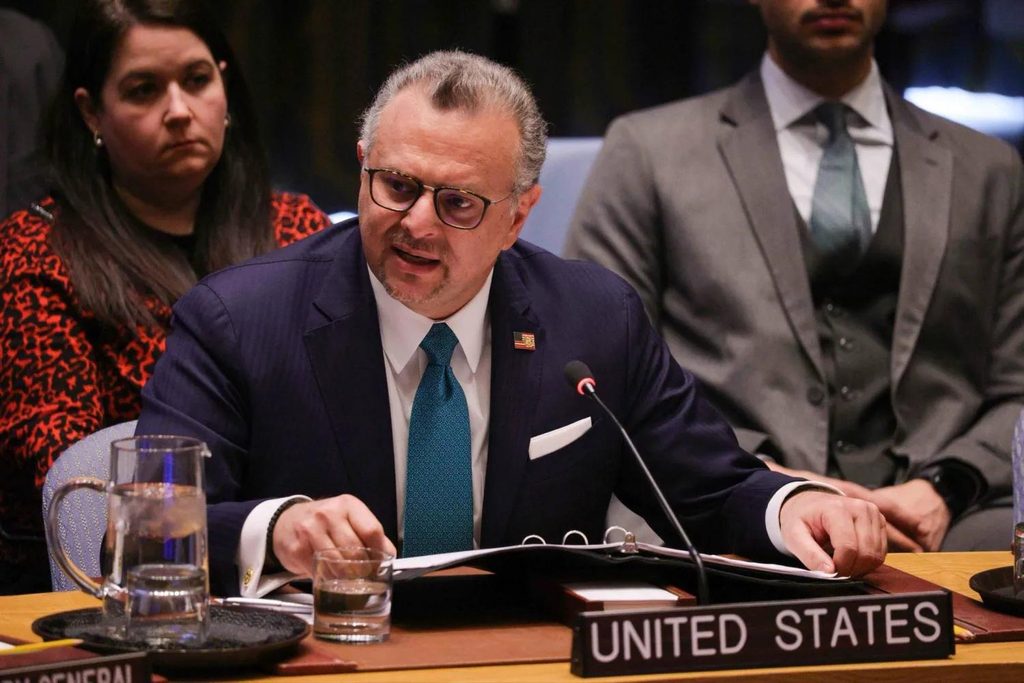
The United States has renewed its call for Sudan’s warring parties to accept a 90-day humanitarian truce, as Washington steps up pressure for unhindered aid access amid worsening humanitarian conditions and continued fighting across the country.
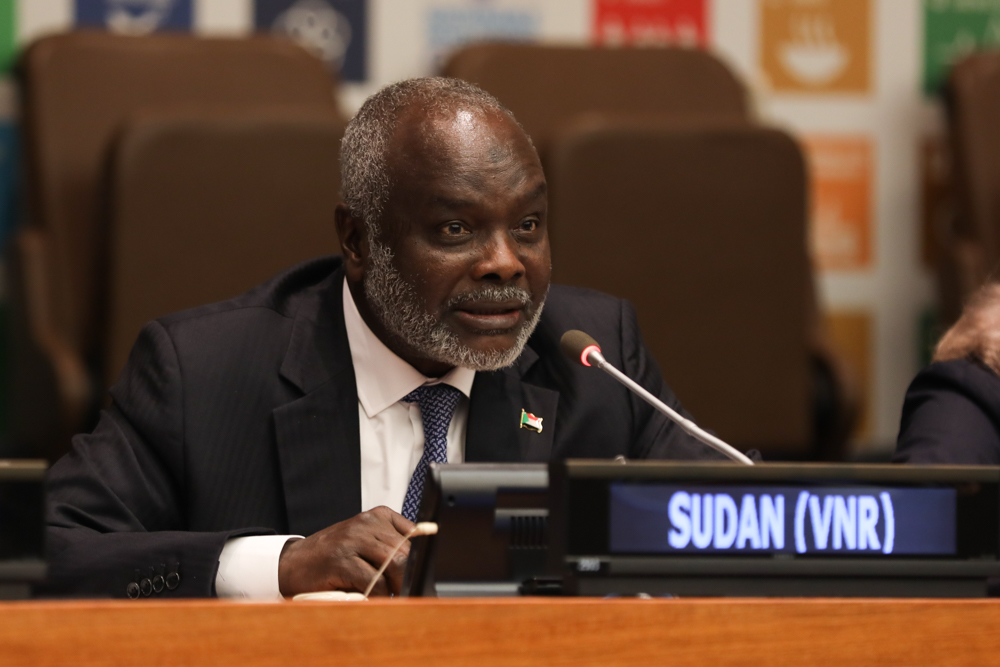
Massad Boulos, senior adviser to US President Donald Trump on Arab and African affairs, said on Friday that Washington remained deeply concerned about what he described as the catastrophic humanitarian situation in Sudan.
Boulos said the United States had contributed $375 million to the UN Office for the Coordination of Humanitarian Affairs and the World Food Programme, saying the two agencies were working to save lives across Sudan.
“There is no military solution to this conflict,” Boulos said, calling on the warring sides to accept a 90-day humanitarian truce that would allow aid agencies unrestricted access to civilians.
The remarks mark a renewed US push for the ceasefire proposal, which has featured prominently in recent diplomatic efforts aimed at halting hostilities and opening humanitarian corridors.
Washington has repeatedly argued that neither side can achieve a sustainable military solution and has pushed for a temporary nationwide pause in fighting as a first step toward broader negotiations.
The renewed appeal comes as humanitarian agencies continue to warn that millions of Sudanese face severe shortages of food, medicine and basic services after more than three years of war.
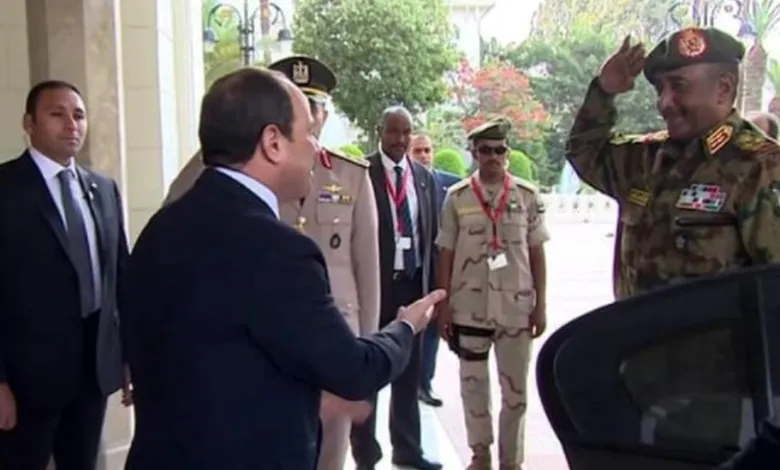
Sudanese army chief Abdel Fattah al-Burhan, meanwhile, reiterated on Friday that Sudan’s crisis should be resolved through what he described as an internal Sudanese dialogue.
Speaking after Friday prayers in Khartoum’s Burri district, Burhan said Sudan’s problems should be settled through dialogue inside the country leading to national consensus.
He also said the army would welcome those who laid down their weapons and joined what he described as a national call, while linking Sudan’s worsening economic crisis to the continuing conflict.
The US proposal has emerged against a backdrop of continued fighting and sharply competing battlefield narratives from the opposing sides.
In North Kordofan, military sources cited by Anadolu Agency claimed on Saturday that the Sudanese army and allied forces had taken control of al-Jamama, northeast of Sodari, following clashes with the Rapid Support Forces.
The battlefield claim could not immediately be independently verified, and the RSF had not publicly confirmed losing the area.
The report followed earlier SAF claims that its forces had captured 11 areas in North Kordofan, claims that have been disputed by TASIS and the RSF.
The RSF said on Friday that it had repelled an army and allied forces attack at Abu Qoud, west of El Obeid, challenging accounts portraying recent fighting as a broad and uninterrupted SAF advance.
TASIS officials have also rejected reports suggesting that alliance forces are undergoing a wider retreat across Kordofan and Blue Nile.
The competing accounts underline the difficulty of establishing clear territorial control in areas where front lines have repeatedly shifted and where both sides routinely present battlefield developments as military successes.
Blue Nile has seen intensified clashes in recent weeks, with control of several towns and villages changing hands and civilians facing fresh displacement.
The continuing battles have added urgency to Washington’s renewed truce proposal, with the United States arguing that a 90-day humanitarian pause is needed to allow aid agencies to reach civilians trapped by the conflict.