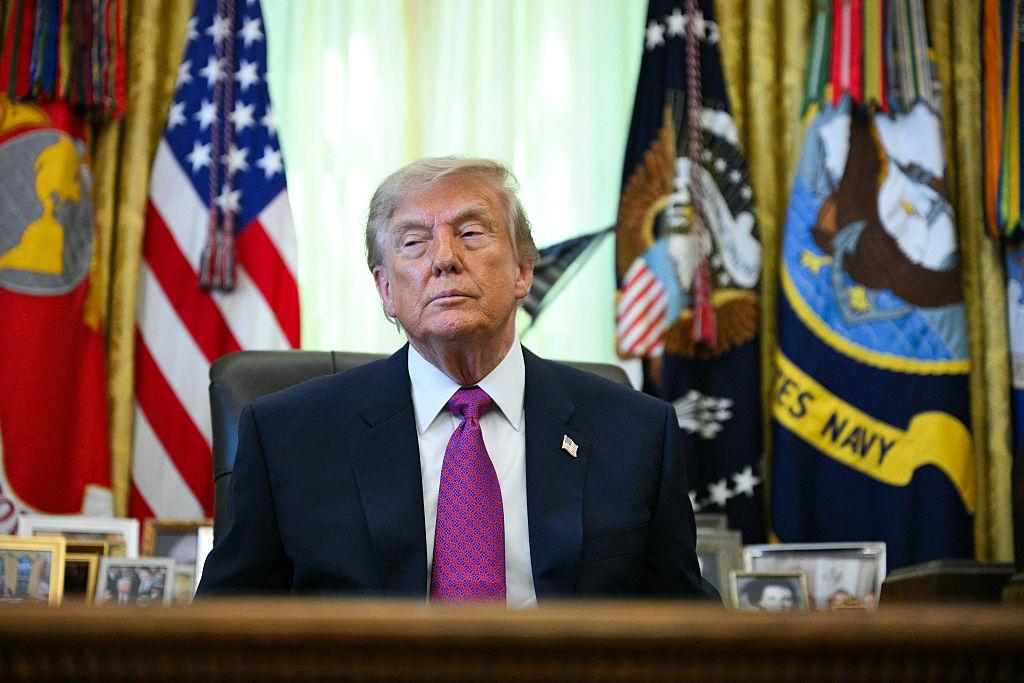
US President Donald Trump’s approval rating has fallen to 32%, the lowest level of his political career, as dissatisfaction over the cost of living deepens, including among Republican voters, according to a new Reuters/Ipsos poll.
The four-day survey, which concluded on Sunday, found that 73% of Republicans approved of Trump’s job performance, down sharply from 82% in a Reuters/Ipsos poll conducted a week earlier. His overall approval rating had stood at 35% in that survey.
Trump returned to the White House in January 2025 after campaigning on pledges to curb inflation and end US involvement in foreign wars. His approval rating stood at 47% in a Reuters/Ipsos poll conducted shortly after his inauguration.
Only 17% of respondents in the latest survey approved of Trump’s handling of the cost of living, which voters identified as the most important issue influencing their choices in the November 3 midterm elections. Republicans are seeking to retain their narrow majorities in Congress.
Dissatisfaction over living costs has also increased among Republican voters since the United States launched its war against Iran in February, a conflict that has contributed to sharp increases in gasoline and diesel prices. For the first time in Reuters/Ipsos polling, more Republicans disapproved than approved of Trump’s handling of living costs, by 51% to 44%.
The poll also found registered voters favoring Democratic congressional candidates over Republicans by 43% to 35%, the widest Democratic advantage recorded by Reuters/Ipsos this year. The nationwide figure does not, however, reflect the individual state and district contests that will ultimately determine control of Congress.
Trump continued to receive stronger backing from Republicans on immigration, with 79% of Republican respondents supporting his approach. Among Americans overall, 36% approved of his handling of immigration while 55% disapproved. Just 24% approved of his approach to the conflict with Iran.
The Reuters/Ipsos poll was conducted online among 1,277 US adults nationwide and had a margin of error of about three percentage points.