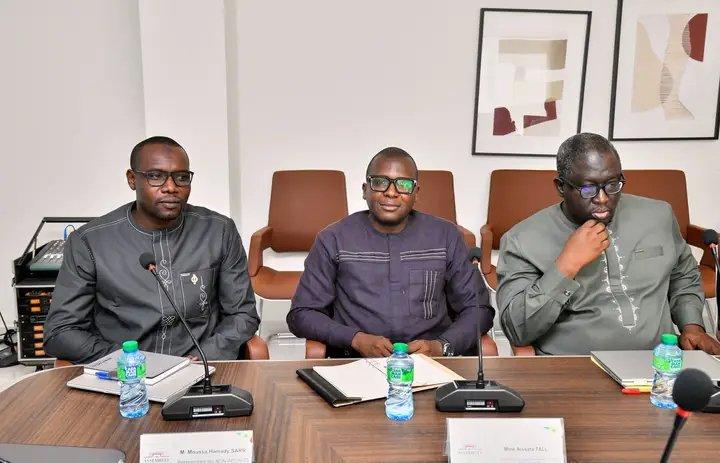
The military-led governments of Mali, Burkina Faso and Niger have launched a coordinated diplomatic campaign at the United Nations, seeking to strengthen their Alliance of Sahel States (AES) and establish it as a political and security bloc in West Africa.
The three countries used the 81st session of the UN General Assembly in New York to present a common diplomatic agenda, expand international partnerships and promote their vision of regional cooperation, according to a report by Jeune Afrique.
Their foreign ministers coordinated their positions ahead of the gathering, agreeing on a common approach to international engagements and the strategic priorities of the confederation.
The diplomatic effort marks an attempt by the three military-led governments to move beyond their strained relationships with traditional regional and Western partners and establish the AES as an institutional bloc.
Renewed engagement with Europe
The foreign ministers held talks with their counterparts from Germany, Italy and Switzerland on September 22, discussing diplomatic relations, counterterrorism, economic cooperation and migration.
The meetings came against the backdrop of tensions between the Sahel’s military governments and several European countries, particularly France, following the coups that brought their leaders to power.
Burkina Faso, which currently chairs the alliance, has maintained that the three countries are not seeking international isolation and remain open to cooperation based on respect for their sovereignty and national interests.
The European discussions reflected that approach, with both sides expressing interest in maintaining political dialogue and exploring new economic and security partnerships.
Sahel alliance seeks closer African Union ties
The three governments also sought to strengthen their relationship with the African Union despite the diplomatic tensions that followed their military takeovers.
On September 23, their foreign ministers met Burundian President Évariste Ndayishimiye, the current African Union chairperson, on the sidelines of the General Assembly.
Discussions focused on security challenges in the Sahel, counterterrorism and prospects for greater economic and political cooperation.
The ministers reaffirmed their governments’ willingness to maintain dialogue with the continental organisation and its institutions.
The meeting formed part of a broader effort to improve relations between the AES and African institutions while preserving the alliance’s political independence.
Russia remains a key partner
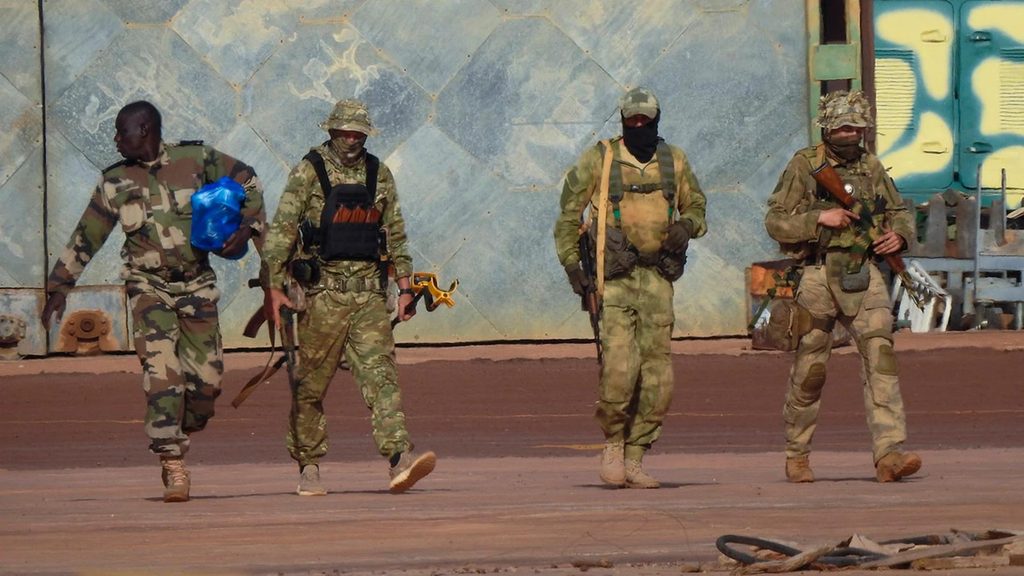
Alongside its diplomatic outreach to European and African partners, the alliance has maintained its close relationship with Moscow.
The three foreign ministers met Russian Foreign Minister Sergey Lavrov in New York to discuss security cooperation, economic development and the implementation of their existing agreements.
Russia reaffirmed its support for cooperation with the three countries, including efforts to strengthen the alliance’s joint security capabilities.
The talks also addressed broader regional developments and preparations for the next Russia-Africa summit.
From military alliance to political bloc
The diplomatic campaign reflects the three governments’ ambition to develop the AES beyond its original military and security framework.
During their engagements in New York, the ministers presented the confederation as an emerging political and institutional structure built around sovereignty, regional security and economic integration.
According to Jeune Afrique, the coordinated meetings demonstrate an effort to replace diplomatic confrontation with a wider network of international relationships while maintaining close cooperation with Russia.
The alliance’s strategy combines expanded foreign partnerships with stronger political coordination between Mali, Burkina Faso and Niger, as their military-led governments seek a more prominent role in regional and international affairs.