A Russia-linked recruitment network is using fake job advertisements, social media campaigns and Western technology platforms to lure young Africans into military service in Ukraine, according to an investigation by Code for Africa.
The investigation, reported by European media, uncovered an extensive digital operation offering supposedly lucrative opportunities in construction, security and film production, with some applicants allegedly discovering only later that they were being recruited to fight for Russia.
One Facebook advertisement sought African men for a film project, using an AI-generated image of men in military uniforms and promising an opportunity to transform their lives.
Behind the apparent casting call, investigators identified a recruitment system designed to attract foreign workers with promises of high salaries and employment in Russia.
Recruitment network operates through Western technology
Code for Africa identified 89 websites, seven social media accounts and 39 messaging accounts or channels linked to the recruitment operation.
The investigation found that the network relied heavily on Western digital infrastructure, including a recruitment website hosted on a server in Amsterdam and website-building tools developed by American and Swedish companies.
Application forms reportedly used Austrian data-collection software to gather applicants’ personal information, which was subsequently transferred to Russia.
Recruiters also used advertising and audience-tracking tools provided by Meta and Google to target potential recruits and measure the effectiveness of their campaigns.
Meta said it had removed more than 300 advertising campaigns associated with the recruitment operation, while Google disputed some findings and said it was reviewing the investigation.
Civilian jobs used to attract African recruits
The investigation identified several recruitment brands, including Military Staff Agency, Work in Russia, IRC Russian Bear and Work Crew Agency.
Presenting themselves as legitimate employment agencies, the organisations advertised jobs in construction, factories, security and film production.
Some advertisements promised signing bonuses of up to $15,000 and monthly salaries of approximately $3,000, amounts far exceeding typical earnings in many of the African countries being targeted.
Investigators also found websites displaying the logos of established Western media organisations, including the BBC, apparently to lend credibility to their offers.
However, some applicants who believed they were pursuing civilian employment allegedly found themselves being asked to sign military contracts and deployed to the Ukrainian battlefield.
African recruits sent to Ukraine
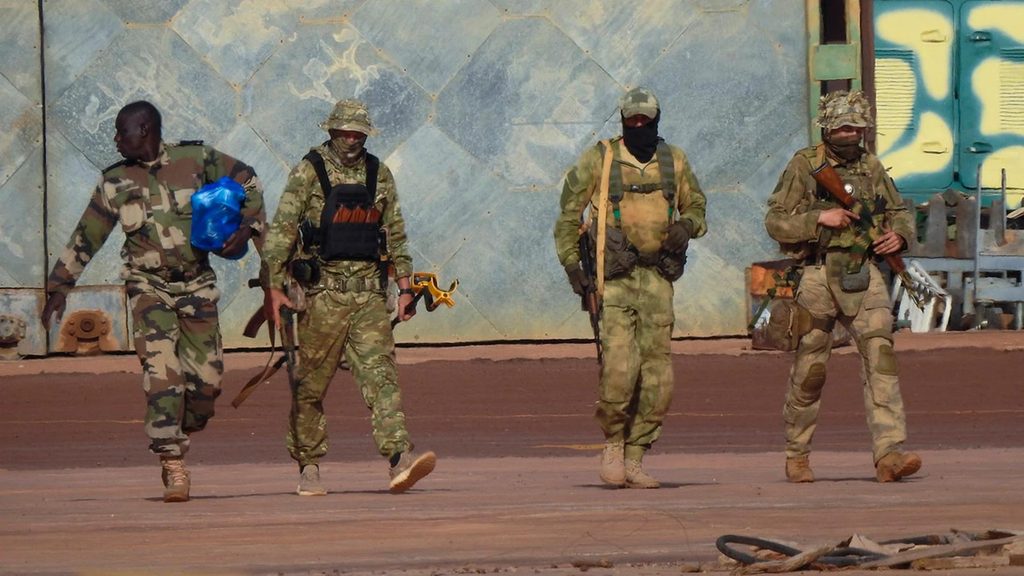
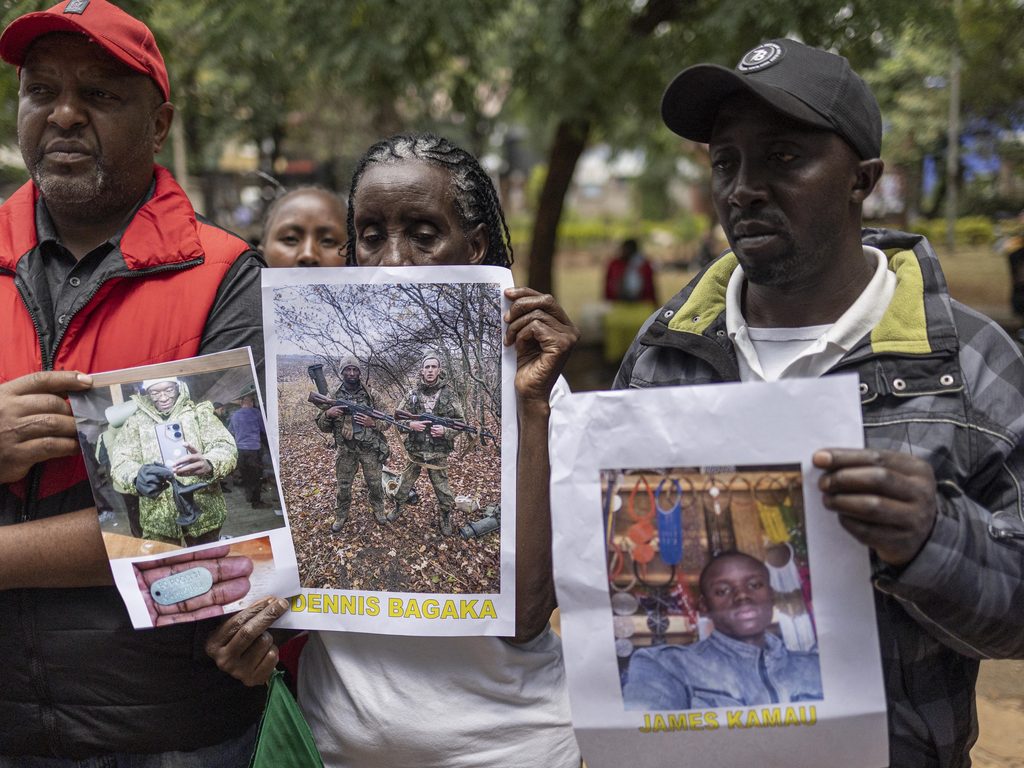
Investigations conducted since 2024 have documented cases of African nationals travelling to Russia after receiving promises of civilian employment, only to become involved in the war in Ukraine.
Ukrainian authorities have reported the recruitment of thousands of people from African countries, although estimates of the total number vary.
Moscow has rejected allegations of forced recruitment, maintaining that foreign nationals serving in its military enlisted voluntarily.
The investigation did not establish that every recruitment agency identified was directly controlled by the Kremlin, but documented their involvement in recruiting foreign nationals for Russia’s war.
The European Council on Foreign Relations has also identified recruitment campaigns targeting African women with offers of employment in Russian factories producing drones and other military equipment.
The findings raise questions about the responsibilities of Western technology companies whose advertising systems, hosting services and digital tools are being used to facilitate recruitment for Russia’s military.
They also highlight the vulnerability of young Africans facing unemployment and financial hardship, who may be drawn into a foreign war through employment offers that conceal the risks involved.