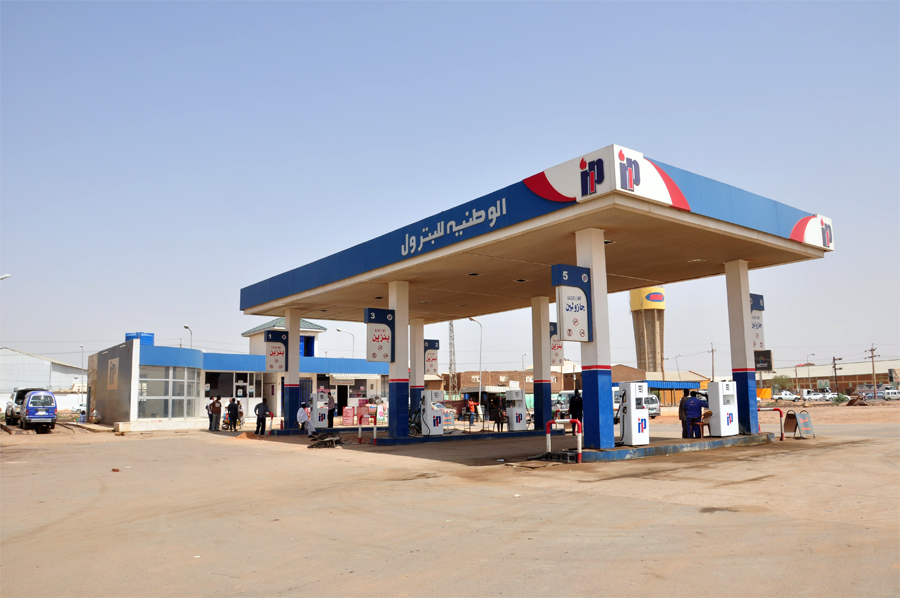
Fuel shortages have worsened across Khartoum and several Sudanese states, pushing up prices and expanding black-market sales as the army-aligned Port Sudan government pledged to send additional supplies to filling stations.
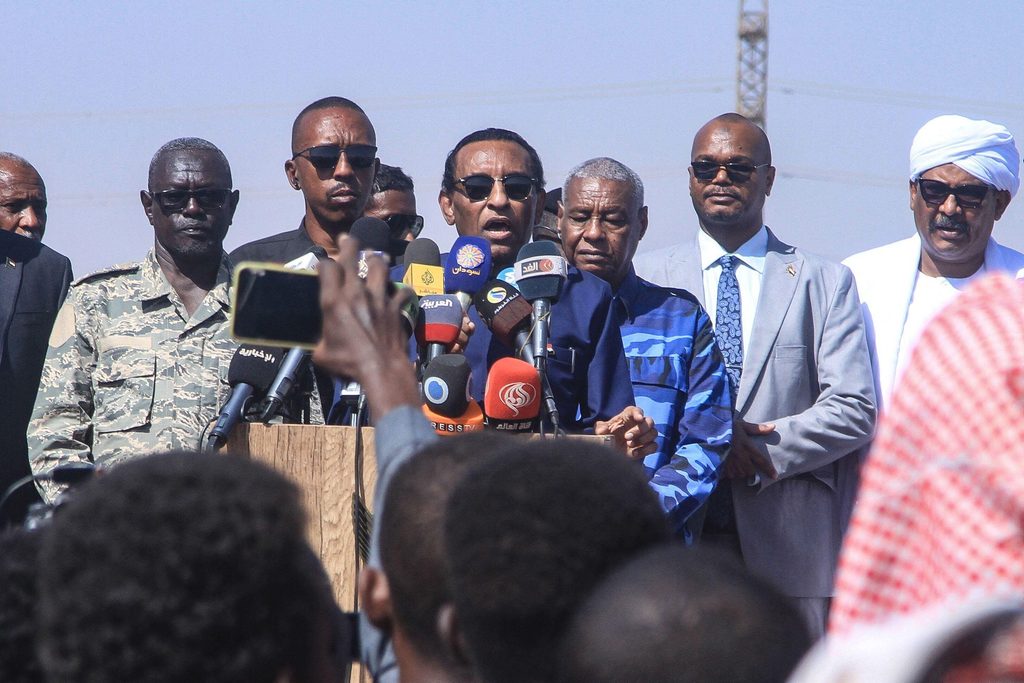
Prime Minister Kamil Idriss ordered petroleum distributors to increase deliveries during a visit to fuel stations in Khartoum on Wednesday, where long queues have formed amid tightening supplies.
Petrol has been selling for about 60,000 Sudanese pounds per gallon on the parallel market in government-controlled areas, compared with an official price of roughly 37,000 pounds, according to motorists cited by Sudan Tribune.
Diesel prices have also climbed sharply, reaching between 65,000 and 70,000 pounds per gallon on the street, while designated stations were selling it for around 45,000 pounds.
Official prices are rising as well. Gezira State increased the price of petrol to 8,950 pounds per litre from October 1, while Red Sea State raised its pump price to 7,748 pounds per litre from 7,064 pounds.
Idriss, accompanied by energy officials during his inspection in Khartoum, described the economic pressures facing areas under the Port Sudan authorities as an “economic war” and instructed distributors to speed up deliveries.
He also called on commercial banks to address technical problems affecting mobile banking applications, which have become increasingly important for fuel purchases amid widespread shortages of physical cash.
The shortages have been linked to several pressures, including the prolonged disruption of the al-Jaili refinery north of Khartoum, shortages of foreign currency needed to finance imports and higher international energy costs.
Import controls have also tightened access to supplies. Sudan Tribune reported that central bank requirements obliging some importers to provide financial backing equivalent to 200 kilograms of gold have concentrated fuel imports among a limited number of companies, adding further pressure to the market.
The latest shortages come after fuel queues and price increases were reported repeatedly across army-controlled areas in September as Sudan’s wider economic crisis deepened.