Civil society organisations from across Africa and beyond have called for an independent international investigation into allegations that Sudan’s military used chemical weapons during the country’s civil war, urging army-aligned authorities in Port Sudan to grant investigators unrestricted access to suspected facilities and weapons stockpiles.
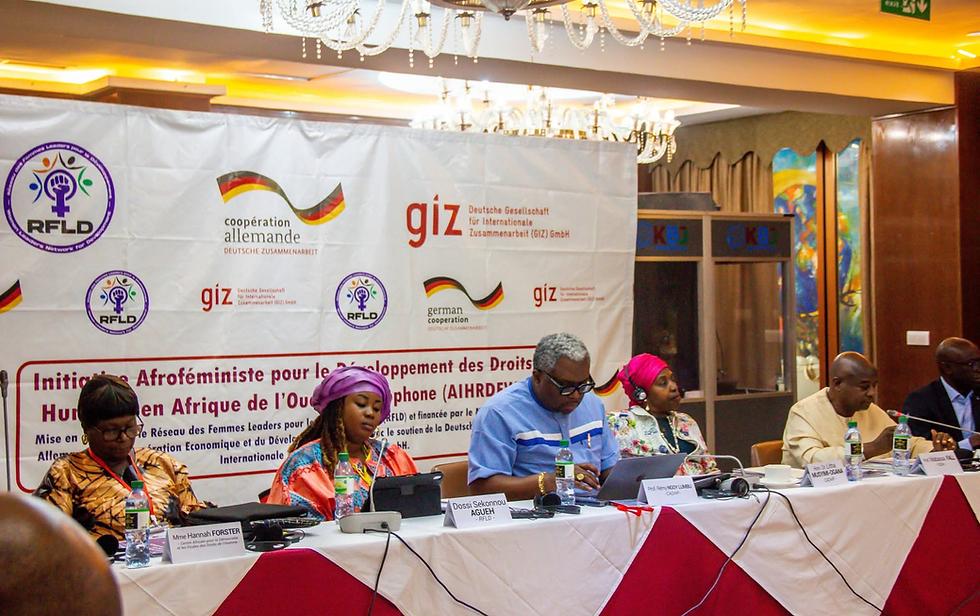
The appeal emerged from a civil society forum held in Dakar, Senegal, ahead of the 89th Ordinary Session of the African Commission on Human and Peoples’ Rights, which opens on Monday, October 12.
The forum, attended by approximately 350 representatives of civil society organisations from more than 37 countries, called on Sudan to cooperate fully with the Organisation for the Prohibition of Chemical Weapons (OPCW) and international fact-finding mechanisms.
Participants demanded that Sudan permit OPCW technical teams to enter the country and conduct comprehensive, transparent, independent and timely investigations into the allegations.
They also urged the authorities to disclose any facilities potentially involved in chemical weapons production, identify the locations of suspected chemical munitions and allow international experts to verify and destroy prohibited weapons in accordance with the Chemical Weapons Convention.
Sudan currently holds a seat on the OPCW Executive Council, making its obligations under the convention a central issue in the international scrutiny surrounding the allegations.
US chemical weapons findings intensify pressure
The latest demands follow a formal US determination in April 2025 that Sudan’s government had used chemical weapons during 2024, prompting Washington to impose sanctions.
The findings, publicly announced in May 2025, placed renewed international attention on allegations involving the Sudanese Armed Forces (SAF).
In June 2026, Washington decided to introduce additional sanctions after determining that Sudan had failed to meet conditions required under US chemical weapons legislation. The measures, which took effect on July 20, included further export restrictions and US opposition to certain international financial assistance, subject to exemptions.
Sudan’s army-aligned authorities have previously denied using chemical weapons, describing the American allegations as false and politically motivated.
The OPCW has separately acknowledged continuing concerns. In an October 2026 statement to its Executive Council, the organisation’s director-general said the Technical Secretariat continued monitoring reports of chemical weapons use in Sudan and other conflict zones, while encouraging member states to provide relevant information.
The US determination does not itself constitute a completed independent OPCW investigation establishing responsibility for specific attacks.
African civil society demands ceasefire and accountability
Abdel Bagi Jibril, director of the Switzerland-based Sudan Knowledge Centre, told Radio Dabanga that participants also demanded an immediate end to foreign interference sustaining Sudan’s conflict.
The forum called for an end to military supplies, financial assistance and diplomatic support that enable the warring parties to continue fighting.
It urged an immediate ceasefire monitored by an independent international mechanism, alongside measures to protect civilians, establish safe humanitarian corridors and guarantee access to food, medicine and other essential supplies.
Participants expressed concern over continuing violations by both sides since the war began on April 15, 2023, including aerial bombardments, drone strikes in populated areas, forced displacement and the destruction of healthcare facilities and other civilian infrastructure.
The forum also called for stronger international cooperation to arrest and surrender individuals wanted by the International Criminal Court over alleged war crimes, crimes against humanity and genocide in Darfur.
Sudan’s chemical weapons allegations remain under scrutiny
Ambassador Ali al-Jundi told Radio Dabanga that a dedicated session examining developments in Sudan’s armed conflict focused heavily on allegations of chemical weapons use by the SAF.
The discussion also addressed foreign involvement, the historical roots of the conflict and longstanding impunity for abuses committed by successive Sudanese authorities and armed groups.
Jibril said the forum had renewed its demand for an independent chemical weapons investigation, noting that the African human rights body had previously expressed support for examining the allegations.
According to Jibril, a commission member reiterated the body’s continued interest in the issue and its commitment to following developments closely.
The Dakar appeal follows similar demands raised at a civil society forum in Banjul, Gambia, in May 2026, demonstrating sustained pressure for an international investigation into the alleged use of prohibited weapons.