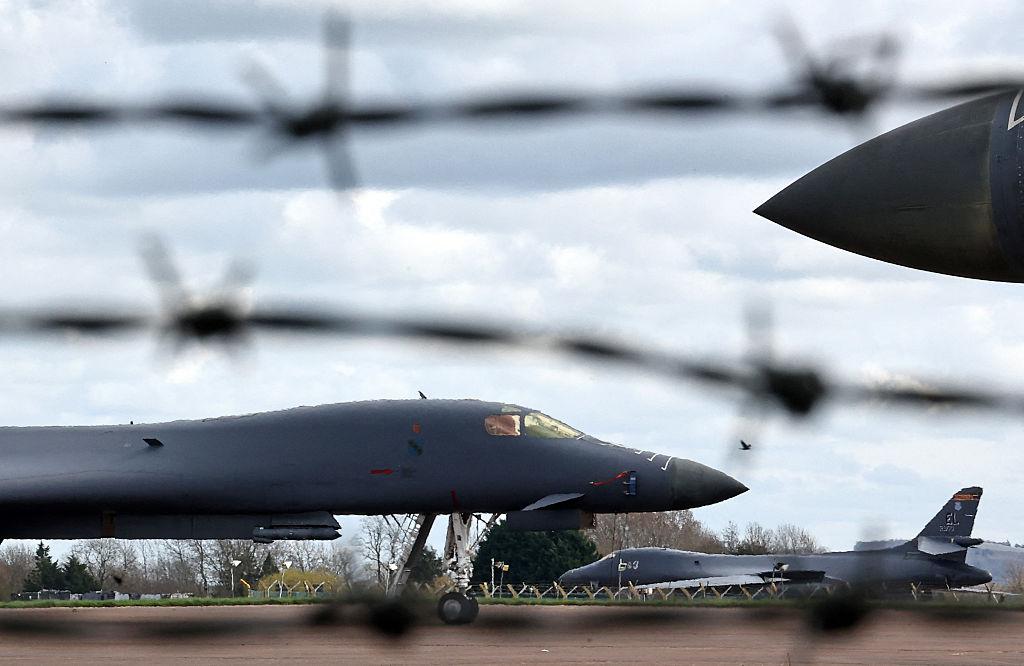
British Prime Minister Andy Burnham on Monday accused Iran’s Islamic Revolutionary Guard Corps (IRGC) of almost certainly directing a suspected attack plot against RAF Fairford, a British airbase used by US forces during the ongoing war against Iran.
Addressing parliament, Burnham said British intelligence assessed that the alleged operation was highly likely to have been coordinated from Iran and directed by the IRGC.
The prime minister warned that Britain would not tolerate Iranian-backed security threats on its territory and pledged further sanctions targeting Tehran’s overseas networks.
The announcement followed a major security operation at RAF Fairford in Gloucestershire on September 27, when police arrested five British men on suspicion of terrorism and explosives-related offences.
Two additional suspects were subsequently detained, bringing the total number of arrests to seven. All were released on bail, and no charges have been filed.
Police discovered gasoline in three vans connected to the initial suspects but reported finding no explosives.
The investigation raised concerns about a possible Iranian-backed drone attack targeting American aircraft stationed at the base, which has supported US military operations against Iran.
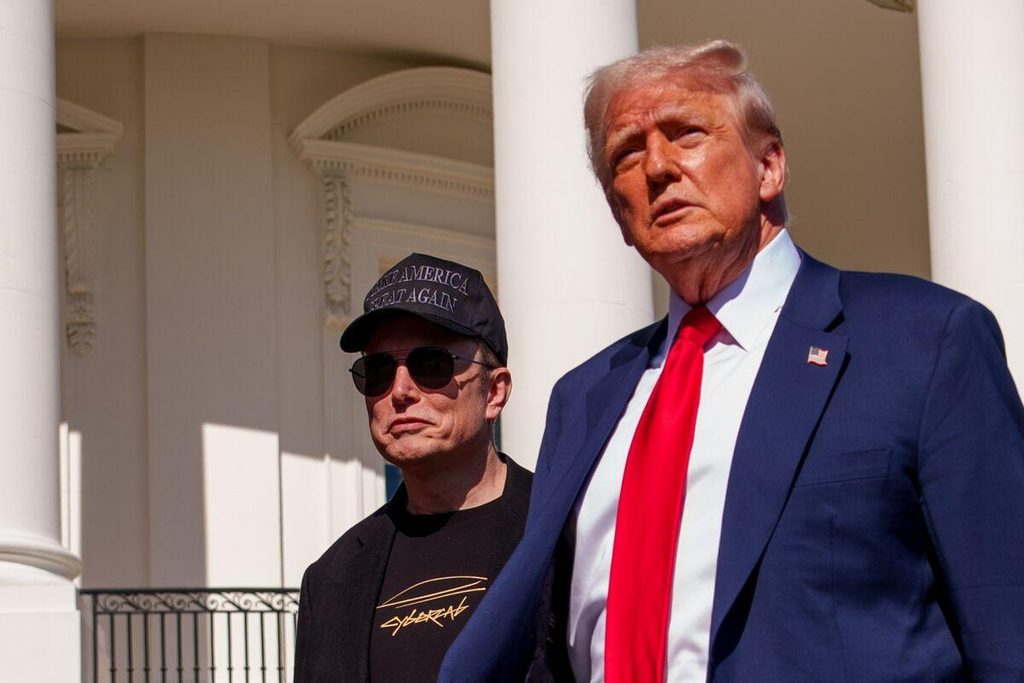
US President Donald Trump said last week that intelligence concerning an Iranian-linked threat had prompted Washington to withdraw its B-1 bombers from Fairford.
Burnham said the government would intensify efforts to disrupt Iranian-linked criminal networks, restrict their financing and introduce additional measures against individuals suspected of facilitating hostile activities.
Foreign Secretary Ed Miliband also summoned Iran’s ambassador to London over the alleged plot and announced sanctions against two Iranian nationals.
Those sanctioned were Ruhollah Bazghandi, head of counterespionage operations within the IRGC, and Shahram Ali Reza Tamarzadeh Jakki, whom British authorities identified as a facilitator of the Zindashti criminal network implicated in plots against Iranian dissidents.
Both face asset freezes, travel bans and restrictions on holding company directorships in Britain.
The measures follow legislation introduced by London last week tightening financial and trade restrictions on Iran, expanding controls on sensitive goods and technologies and restricting Iranian aircraft access to British airports.
Britain has also joined 28 other countries in condemning alleged Iranian-linked operations abroad, including assassination plots, sabotage, arson and cyberattacks.
The latest accusations deepen tensions between London and Tehran as Britain maintains its commitment to preventing Iran from acquiring nuclear weapons while pursuing diplomatic efforts to end the regional conflict and reopen the Strait of Hormuz.
Iran has denied involvement in the Fairford incident. British authorities have not publicly presented evidence establishing direct IRGC control of the suspected plot, and the criminal investigation remains ongoing.