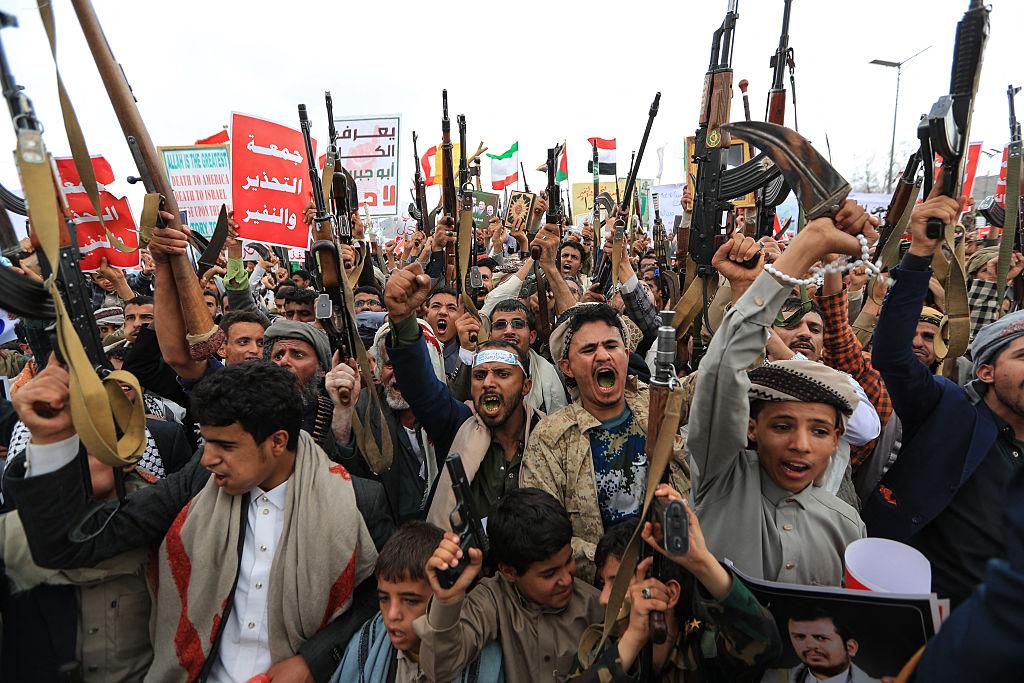
Yemen’s Houthi movement is routinely described as an Iranian proxy, a label that has shaped Western and Gulf perceptions of the conflict for years. But the latest confrontation with Saudi Arabia is exposing the limitations of that description, raising a fundamental question: Is Tehran directing the Houthis, or is Yemen’s Ansar Allah movement pursuing its own political and military ambitions?
The distinction matters increasingly as Houthi missiles and drones strike deep inside Saudi Arabia, disrupt vital infrastructure and threaten Crown Prince Mohammed bin Salman’s economic transformation agenda.
The movement’s increasingly confrontational rhetoric, including an extraordinary declaration of support for efforts to remove the Saudi crown prince from power, suggests ambitions extending far beyond serving Iran’s regional interests.
Iran remains a major military and political supporter of the Houthis. But support, strategic alignment and operational cooperation do not necessarily amount to political subordination.
A Yemeni movement with its own agenda
The Houthis did not emerge as an Iranian creation.
The movement developed in Yemen’s northern Saada region during the 1990s, rooted in Zaydi Shia religious revivalism, opposition to growing Saudi religious influence and grievances against the Yemeni political establishment.
Its confrontation with the government of former President Ali Abdullah Saleh began in 2004, years before Iran developed the extensive military relationship with the movement seen today.
By 2014, the Houthis had captured the capital, Sanaa. The following year, Saudi Arabia launched a military intervention aimed at restoring Yemen’s internationally recognised government and reversing Houthi territorial gains.
The conflict strengthened the Houthis’ dependence on Iranian military assistance while reinforcing their own ambitions to dominate Yemen’s political landscape.
Their relationship with Tehran has since evolved into a significant strategic partnership. Yet the movement retains its own leadership, ideological foundations, domestic constituencies and political objectives.
In a 2024 analysis, Brookings Institution researcher Allison Minor directly challenged the conventional proxy designation, arguing that Tehran lacked the degree of control over Houthi decision-making necessary to justify the description.
She highlighted the movement’s unilateral ceasefire announcement with Saudi Arabia in 2019 as an example of its willingness to pursue decisions that did not necessarily serve Iranian preferences.
The argument has gained support from other security researchers.
In March 2026, Washington Institute Yemen specialist April Longley Alley assessed that decisions about entering the wider Iran conflict would ultimately be made by Houthi leader Abdul-Malik al-Houthi, rather than Iranian authorities.
Similarly, the Center for Strategic and International Studies has warned that a settlement between Tehran and Washington would not necessarily bind the Houthis, who regard themselves as an independent regional power.
Such assessments do not mean Iranian influence is insignificant.
Reuters reported in September that Iranian Revolutionary Guard officers had provided direct guidance during Houthi operations along Yemen’s Red Sea coastline, citing Iranian, Yemeni and regional sources. Iran has denied directing Houthi military operations.
The evidence points to a complicated relationship involving military cooperation, shared regional interests and potentially direct coordination, but not Iranian control over the movement’s wider political ambitions.
Houthis turn their attention to Saudi leadership
That independent political agenda has become increasingly visible in the movement’s latest confrontation with Riyadh.
Mohammed al-Bukhaiti, a senior member of Ansar Allah’s political bureau, has declared the movement’s willingness to support domestic Saudi efforts to remove Crown Prince Mohammed bin Salman from power.
According to statements reported by regional media on Monday, al-Bukhaiti expressed support for possible opposition activity, popular mobilisation or moves by members of the Saudi royal family seeking the crown prince’s removal.
The remarks represent a significant escalation in political rhetoric.
The Houthis are no longer simply threatening military retaliation or demanding changes to Saudi policy in Yemen. They are openly questioning the continued leadership of the kingdom’s most powerful political figure.
Al-Bukhaiti’s comments did not identify a replacement for Mohammed bin Salman or establish that any organised challenge to his authority was imminent.
Nevertheless, they reveal the extent to which the movement increasingly views Saudi Arabia’s internal political balance as another potential arena of confrontation.
Mohammed bin Salman, who was defence minister when the Saudi-led intervention began in 2015, has become the central figure associated with the kingdom’s Yemen policy.
For the Houthis, challenging his position also means challenging the Saudi political leadership responsible for years of military intervention.
The message is unmistakable: Ansar Allah wants Riyadh to understand that the consequences of continued confrontation may extend beyond Yemen’s borders.
Saudi wealth becomes a strategic vulnerability
A central feature of the conflict is the enormous imbalance in resources between the two sides.
Saudi Arabia possesses advanced combat aircraft, expensive missile defence systems, sophisticated infrastructure and powerful international military partnerships.
The Houthis, despite their growing capabilities, command considerably fewer financial and conventional military resources.
Yet that imbalance does not automatically favour Riyadh.
Saudi Arabia’s airports, oil facilities, export terminals and ambitious development projects represent valuable assets that are expensive and difficult to protect against sustained missile and drone attacks.
The deadly strikes on King Khalid International Airport in Riyadh have demonstrated those vulnerabilities.
Attacks over the weekend killed at least 14 people and wounded hundreds, forcing the airport’s closure until October 17 and disrupting international aviation.
The civilian casualties underline the severe human consequences of Houthi attacks, regardless of the movement’s stated political objectives.
The economic implications are also substantial.
Mohammed bin Salman’s Vision 2030 programme depends heavily on attracting foreign investment, expanding tourism, establishing international business centres and presenting Saudi Arabia as a stable destination for capital.
Repeated attacks against airports and energy infrastructure threaten that image.
In an asymmetric conflict, a comparatively inexpensive missile or drone can impose costs far beyond the value of the weapon itself, including lost business, disrupted transport and diminished investor confidence.
The Houthis appear increasingly determined to exploit that imbalance.
Trump’s Houthi policy exposes a contradiction in Washington
Perhaps the clearest indication that the Houthis cannot be understood simply as an Iranian proxy comes from an unlikely source: the Trump administration’s own decisions.
Despite repeatedly accusing Tehran of directing Houthi attacks, President Donald Trump has demonstrated a willingness to negotiate with Yemen’s Ansar Allah movement as a separate political and military actor.
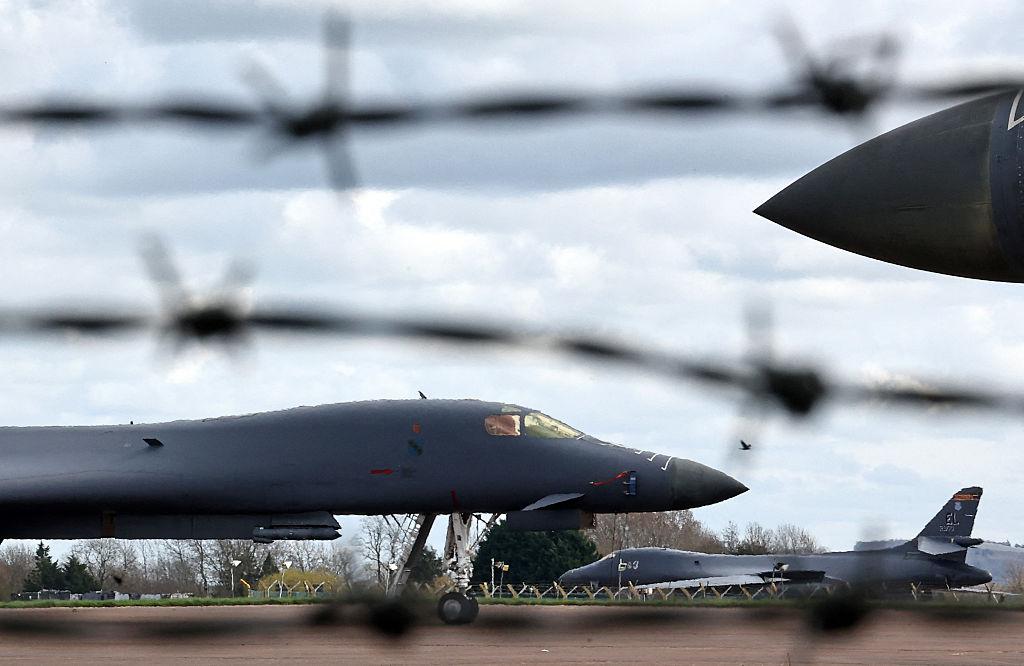
On May 6, 2025, Trump abruptly ended a sustained American bombing campaign against Houthi positions following an agreement mediated by Oman.
Crucially, the understanding was reached between Washington and the authorities in Sanaa, not through an agreement requiring Iran to end hostilities on the Houthis’ behalf.
Trump announced that the movement had indicated it would stop attacking American vessels and that Washington would accept the commitment.
The arrangement did not include a Houthi undertaking to halt attacks against Israel, leaving the movement free to pursue other elements of its regional agenda.
It was an extraordinary example of strategic compartmentalisation: Washington secured assurances concerning American interests without demanding that Ansar Allah surrender its broader political objectives.
The decision stood in striking contrast to Trump’s earlier public statements.
In March 2025, the president had accused Iran of dictating Houthi military operations and warned that Tehran would be held responsible for future attacks.
Yet less than two months later, his administration had accepted an agreement based on commitments from the very movement he had portrayed as operating under Iranian direction.
The distinction has resurfaced in October 2026.
Despite deadly Houthi missile attacks against Saudi Arabia and renewed pressure from Riyadh, Washington has so far stopped short of directly entering the latest Saudi-Houthi confrontation, although Trump has indicated that American involvement remains under consideration.
The United States continues to support Saudi Arabia through intelligence and military cooperation, but has not automatically treated Riyadh’s war against the Houthis as an extension of its own confrontation with Iran.
This approach may reflect concerns about military escalation, economic disruption and the costs of another campaign in Yemen, rather than an explicit reassessment of the Houthi-Iran relationship.
Nevertheless, it exposes a significant contradiction between Washington’s public characterisation of the movement and its practical approach to dealing with it.
If the Houthis were merely an Iranian instrument with no independent decision-making authority, Washington’s separate agreement with Sanaa would be considerably more difficult to explain.
Trump has not publicly abandoned the Iranian-proxy narrative.
But his administration’s actions suggest that US policymakers understand something frequently obscured by that label: ending a conflict involving the Houthis requires dealing with the Houthis themselves, not simply negotiating with Tehran.
Negotiations cannot simply be dictated from Tehran
Iran’s latest diplomatic intervention offers another test of the relationship.
Iranian Foreign Minister Abbas Araghchi spoke with his Saudi counterpart, Prince Faisal bin Farhan, on Sunday and expressed Tehran’s willingness to facilitate dialogue between Riyadh and Yemen.
The proposal reflects Iran’s considerable influence and interest in the conflict.
But it also raises an important question: Even if Tehran reaches an understanding with Saudi Arabia, can it guarantee that Ansar Allah will accept the outcome?
The movement’s own political demands complicate that prospect.
A Turkish-language analysis of the latest fighting highlighted Houthi demands for an end to Saudi military attacks, an end to Riyadh’s support for opposing Yemeni forces, the lifting of restrictions on Yemen and compensation for destruction caused by the war.
Those demands, as presented in the commentary, reflect a conflict rooted in Yemen’s domestic political future rather than exclusively in Tehran’s confrontation with Washington.
The possibility of Iranian mediation does not eliminate those underlying disagreements.
Indeed, Tehran’s ability to encourage negotiations may be considerably greater than its ability to dictate the terms the Houthis ultimately accept.
Why the proxy label matters
Describing the Houthis simply as an Iranian proxy can produce a misleading understanding of the conflict.
It suggests that pressure on Tehran alone could compel the movement to cease attacks, abandon territorial ambitions or accept political compromises.
But Ansar Allah has its own leadership, military capabilities and ideological project, as well as domestic reasons for maintaining its confrontation with Riyadh.
Its alliance with Iran strengthens that project without necessarily defining every decision made in Sanaa.
Recognising that independence does not minimise the significance of Iranian weapons, advisers or intelligence support. Nor does it excuse Houthi attacks on civilian infrastructure or the movement’s record of repression inside Yemen.
Instead, it offers a more complete explanation of why successive military campaigns have struggled to defeat the Houthis and why diplomatic efforts centred exclusively on Iran may prove inadequate.
Saudi Arabia is confronting a Yemeni movement that has survived more than a decade of warfare, expanded its military reach and developed ambitions extending from Sanaa to the Red Sea and, increasingly, the political leadership of Riyadh itself.
Iran may be Ansar Allah’s most important external partner.
But treating the Houthis as merely Tehran’s instrument risks misunderstanding both the movement’s ambitions and the political settlement needed to end the war.