Sudan’s worsening fuel crisis is threatening efforts by thousands of displaced residents to rebuild their lives in Khartoum, as a former energy minister accused the army-aligned Port Sudan authorities of imposing restrictive import policies that have compounded shortages and disrupted public transport.
Former Energy Minister Mohamed Abdallah Mahmoud criticised the government’s management of petroleum imports, warning that difficulties securing foreign currency and regulatory restrictions were undermining the country’s ability to maintain reliable fuel supplies.
Speaking to Radio Dabanga on Monday, Mahmoud singled out a controversial requirement forcing fuel-importing companies to deposit 200 kilograms of gold as collateral.
He argued that the condition effectively freezes substantial financial resources and prevents many Sudanese companies from entering the import market, restricting competition at a time when the country is struggling with severe shortages.
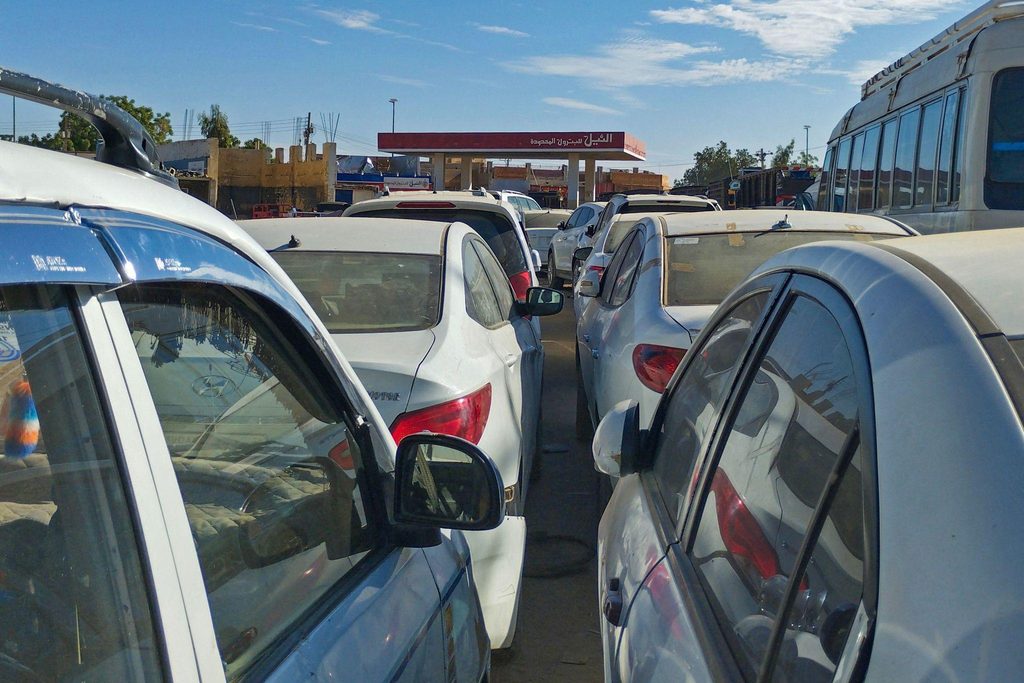
The criticism comes as petrol prices in Khartoum approach 60,000 Sudanese pounds per gallon on the parallel market, leaving public transport increasingly unaffordable and disrupting commercial activity.
Khartoum resident Abdallah Khalid told Radio Dabanga that soaring fuel costs had sharply reduced transport services, leaving parts of the capital’s road network almost paralysed.
He said the shortages were placing additional pressure on residents attempting to resume normal life after years of displacement caused by Sudan’s civil war.
Thousands of people have been returning to the capital despite extensive damage to infrastructure and public services. The lack of reliable transportation has complicated access to markets, workplaces and essential services.
Khalid warned that without urgent intervention to restore transport services and improve infrastructure, the economic pressures facing returning families would continue to intensify.
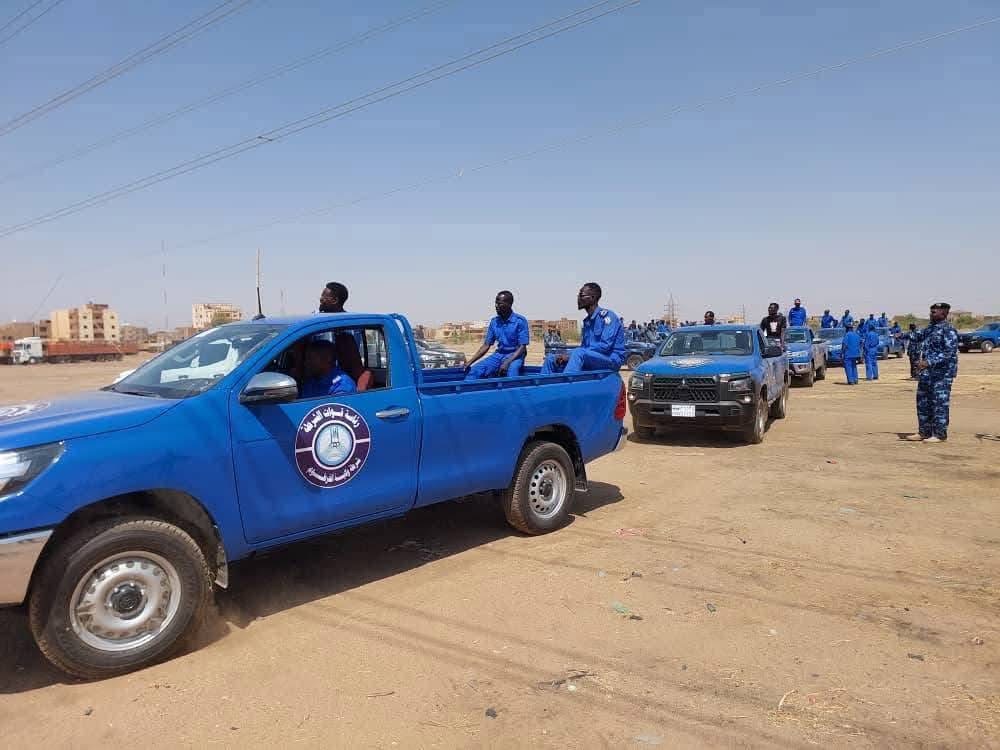
The crisis has also spread across Kassala, Red Sea and Gezira states, where witnesses reported long queues outside filling stations and increasingly scarce public transportation.
In Kassala, local authorities raised the price of diesel to approximately 43,700 Sudanese pounds per gallon, adding to the financial burden on motorists and businesses.
Former minister calls for overhaul of fuel system
Mahmoud proposed replacing the gold collateral requirement with regulations compelling importers and distributors to maintain strategic petroleum reserves sufficient to cover between one and three months of domestic demand.
He argued that resources currently tied up in gold guarantees would be better directed towards purchasing emergency fuel supplies.
The former minister also called for the import market to be opened to all qualified companies under the supervision of the Sudanese Petroleum Corporation, arguing that greater competition could improve availability.
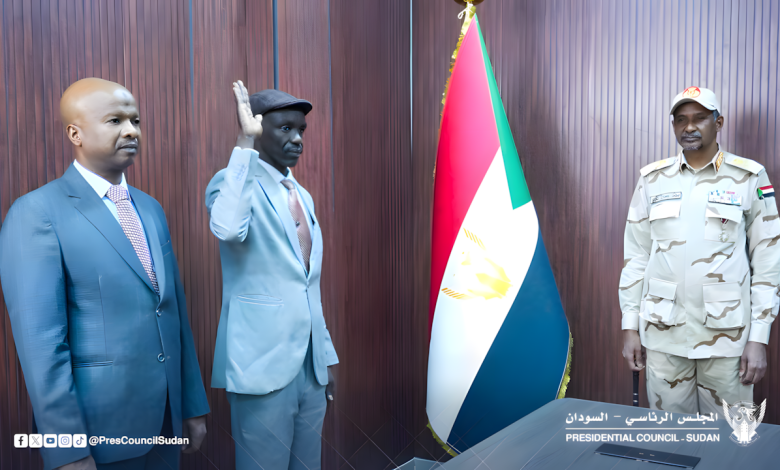
His criticism extended to the newly reported Supreme Oil Council, established under army chief Abdel Fattah al-Burhan.
Mahmoud questioned the council’s structure, arguing that existing legislation provides for a Petroleum Affairs Council and that effective oversight should include the prime minister, the ministers of energy, finance and industry, the central bank governor and independent petroleum specialists.
He criticised the reported exclusion of the Finance Ministry from the council’s membership, warning that financial oversight was essential to addressing the country’s petroleum supply difficulties.
Reports on October 7 indicated that the new council would be chaired by Burhan and include Prime Minister Kamil Idriss, the petroleum minister and the central bank governor.
The latest criticism follows repeated assurances from Port Sudan officials that additional fuel supplies would be made available to ease shortages.